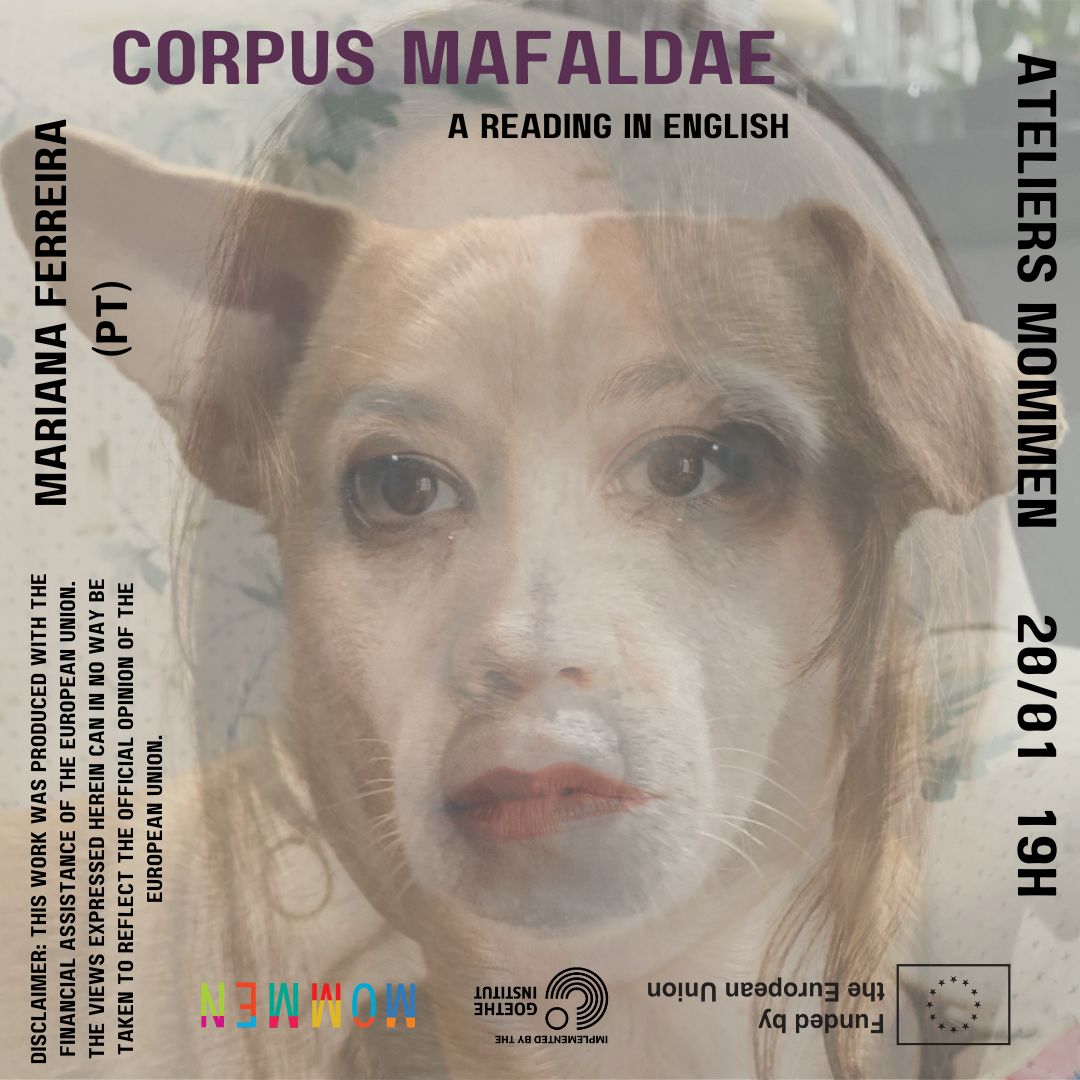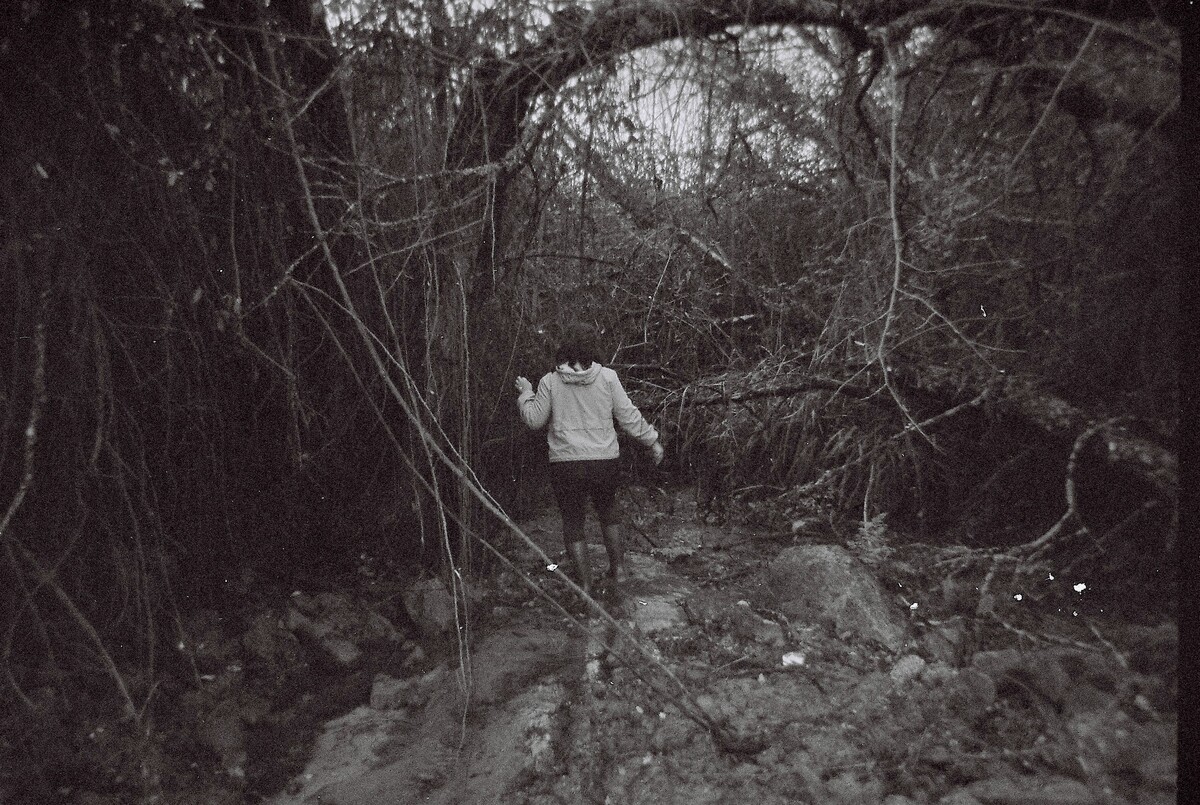

Et cetera, et cetera is a theatre text written in 2021 by Mariana Ferreira during the École des Maîtres - special edition of dramaturgy, which she attended between 2020 and 2021. The text was translated into French by Thomas Resendes, and Italian, by Marco Marinuzzi and published in Portuguese by the Coimbra University Press. It has been presented as a staged reading at various venues, namely at the Chartreuse in Villeneuve lez Avignon - during the Festival d'Avignon - and at the Comédie de Caen in France; at the Théâtre de Liège in Belgium; at the Short Theatre festival in Rome, Italy; and at the TAGV in Coimbra, Portugal. Each performance featured different directions and interpretations by the creators and performers from the various institutions, as well as conversations and discussions afterwards.
Et cetera, et cetera is the journey that a character makes in an attempt to answer the question 'Is it possible to change?' To do so, she recovers nebulous memories and uses them as tangible matter, modifying them and crossing them with more or less concrete satellite figures that emerge to help her navigate the infinite road of the search. Questioning definitions, concepts and certainties, she retraces traumas in her desire for a fuller existence.
Below is an excerpt of the original play.
THE MEMORY
THE CHARACTER I've been thinking a lot about when I played Peace and released the white dove in the theatre. We were Peace, Love and other words I can't remember. And, parenthesis, how can you even interpret Peace? What kind of idea was it to give a child the responsibility of playing a character of such dimension and subjectivity? I told how we spent hours trying to find her in that huge theatre. How she'd been borrowed by someone, taken from her quiet place, taken in a cage to a dark building, imprisoned by a hand under a cloak and dumped inside a giant, crowded room. I told how she desperately tried to get out, throwing herself against the walls. How she dropped feather after soft white feather over the heads of the spectators. How, finally, exhausted and trapped, she let herself be caught hours after the end of the show. When I think about it, I feel an ache... I want to punish myself for not having seen the violence of that act. That action didn't change anyone's life, no-one left there motivated to be more peaceful, to say ‘from now on I'll practice more peace’.
But it did change her life, the dove's life. It left a mark.
I'd like to forget.
(with difficulty expressing)
Sometimes I feel so much pain when I think about things I've done or things that have happened to me that my body can't take it and I have a kind of tiny seizure. Sometimes I even need to scream, quietly, but loudly enough to drown out the memory, to get out of myself and focus on the outside.
I'd like to forget.
Someone told me that maybe I could relive the memories that hurt me. Courageously go through them as many times as necessary until they no longer cause suffering or anxiety. Accept.
But I've developed a more effective method.
When I remember things that hurt me, I change the event so that it doesn't torment me. First I remember, suffer and convulse, then I take a deep breath and retrace the memory.(Slowly, with eyes closed) I'm in the theatre. I'm dressed in white, my name is Peace. I feel a warmth under my cloak, a life against my belly. The moment is almost here. I'm going to release the dove. I let it go! The people go ‘Aaah’ and give a standing ovation. They shout ‘bravo, bravo!’ as they follow the dove's flight through the theatre. She rises, rises higher and higher, until magically a trapdoor opens in the ceiling of the theatre. People cry and laugh at the same time. Outside, blue and rays of sunshine invade the darkness of the room. The dove goes through the trapdoor, flies towards the heavens where it will sit on the Sister's right. The trapdoor closes, the people applaud loudly. They scream, they get out of control, they invade the stage, they grab me, they hug me, they squeeze me. (The tone has changed. As if discovering the memory) They're delirious, the audience is delirious. They kiss my hands, my face, my hair, they howl like animals, they push each other, trying to touch me. They lift me up, I'm off the ground in people's arms as if I were a float. They carry me out of the theatre through the streets of the city. The ground is covered in laurel branches, the smell is intense, almost nauseating. The audience murmurs words over and over again, but I don't understand them. They carry me through the streets for a long time while people run over each other, out of their minds. Everyone is trying to touch me, even if just a little bit of skin. They have candles in their hands, sometimes they burn my legs and my clothes. I look down at my scorched clothes and realise that I'm no longer dressed in white, but in indigo blue. I have a golden scarf around my face and neck and a kind of heavy crown on my head. Finally, we climb the hill towards a castle. As we pass through the walls, I look back. I see a river of bodies, hundreds, no, thousands of people snaking up behind me. I feel exhausted, confused... We enter a hall made entirely of stone. There, I'm gently seated on a high chair, so high that I'm afraid of falling off it. I hold on tightly so I don't fall, but I slip, helped by the cloaks and scarves that surround me. Little by little, as if in a dream, I slip and forget the truth.
THE FAMILY
The song Sister from Angel Olsen is playing from a radio.
The light changes and we discover a car in the background. The music is coming from it. The headlights are on. It seems to be night.
After a while, out of the hangman's seat comes a HEADLESS CHICKEN. Perhaps it's a headless chicken costume, perhaps another solution.
THE CHARACTER gets out of the driver's door. The two figures talk and laugh to each other, but we can't hear them clearly. They look at each other tenderly and hold hands. The music is switched from the radio to the room's sound system.
They dance, enjoying the music. HEADLESS CHICKEN takes a guitar out of the boot of the car and plays it. The CHARACTER dances and sings. The music is loud. They behave as if they were at a concert, they interact with the audience, they go into ecstasy.
As the music comes to an end, they lie down on the floor.
HEADLESS CHICKEN Uff. What a song!
THE CHARACTER It really is.
They sit on the floor at the centre of the stage, as if they're looking at an immense view.
HEADLESS CHICKEN I've heard it so many times and it still gives me goosebumps.
THE CHARACTER And me.
HEADLESS CHICKEN And what a view!
THE CHARACTER Isn't it? I discovered this place a while ago when I stopped my car that time, remember I told you about it? I've never forgotten the moon that night, it was beautiful, like a lamp, you could see everything.
HEADLESS CHICKEN lights a cigarette. They sit in silence for a while.
HEADLESS CHICKEN (sings) ‘She came together like a dream, that I didn't know I had, from the sleeping life I lead’
THE CHARACTER ‘All the colours I have seen. I can't help but recognise’
HEADLESS CHICKEN ‘The brighter one in front of me’
THE CHARACTER I fucking missed you.
HEADLESS CHICKENI missed you too. Would you like a drink?
THE CHARACTER Of course! What have you got there?
CHICKEN WITHOUT A HEAD goes to the boot of the car where there's an improvised mini bar.
HEADLESS CHICKEN Green wine on ice, gin and tonic and beer.
THE CHARACTER Beer.
HEADLESS CHICKEN Beer for you and a gin and tonic for me.
THE CHARACTER Oh, but since you're making a gin, I'll have one too.
HEADLESS CHICKEN (prepares two gin and tonics) Do you think that's true?
THE CHARACTER What?
HEADLESS CHICKEN That we spend our lives sleeping instead of living?
THE CHARACTER I think so, I think I'm asleep most of the time, apart from rare moments of lucidity and consequent depression. But putting it that way is... tough. It's hard to admit that we could simply be going through life.
HEADLESS CHICKEN And to admit it, you first have to wake up.
THE CHARACTER Well, it's not all bad when you're asleep.
HEADLESS CHICKEN Well?
THE CHARACTER Dreams.
HEADLESS CHICKEN I dream all the time, I don't need to be asleep.
THE CHARACTER Yes, but it's not the same. Hmm, this gin is amazing. I love the cucumber instead of the lemon. It gives it a fresher flavour.
HEADLESS CHICKEN I didn't have any lemons. But I think it's even better.
THE CHARACTER I wish I had more control over myself, over the things that happen to me.
HEADLESS CHICKEN Having control is an illusion.
THE CHARACTER Well, we do have some control.
HEADLESS CHICKEN I didn't miss your naivety.
THE CHARACTER You're still cruel.
HEADLESS CHICKEN (stops and looks at THE CHARACTER) When your heart was broken, did you have any control over your pain? When someone close to you dies, where does the word control come in? Where you were born, your family, your class, your colour. Did you have a choice? If, I don't know, someone, without warning, walked up to you and slit your neck, chopping off your head, how would having control help you?
THE CHARACTER I'm looking for answers.
HEADLESS CHICKEN To what questions?
THE CHARACTER I've been feeling a kind of intoxication, the intoxication of an idea. Can I have a cigarette?
HEADLESS CHICKEN Of course.
(They smoke)
HEADLESS CHICKEN Have you started smoking again?
THE CHARACTER When I drink. I feel like something needs to change. That I should change. I long for a revolution.
HEADLESS CHICKEN Words deceive us so much that we think we feel or need things that don't matter. Revolution, choice, control are big words, but they're only words that matter as much as you want them to.
THE CHARACTER I want to intoxicate myself, I want this search to consume me because the alternative is too sad. The permanence of everything. Peaceful stability. Certainties, beliefs, maintenance. None of it interests me. None of it satisfies me, serves me!
HEADLESS CHICKEN We can only choose, change, revolutionise within a very small range of possibilities. Most of what we dream of will never happen because we're simply not in the right place at the right time. We have a very limited reality and it is within it that we timidly try to make sense of it. And in the meantime we invent terms and concepts and ideas to give this journey some peace. That and God. Gin?
THE CHARACTER Please. Do you think I should try to distract myself with something else? With love, for example? Do you think I should love so that I don't think of life as a sequence of events constantly repeating themselves, one after the other and so on until inevitable death?
HEADLESS CHICKEN I think it could help. It's always important to give up, to let go.
THE CHARACTER Letting go?
HEADLESS CHICKEN From people, from ideas, from memories.
THE CHARACTER From me.
HEADLESS CHICKEN From you.
THE CHARACTER Can I have a cigarette?
HEADLESS CHICKEN I've been going back to the place where it happened. To the grandparents' courtyard. It helped. It's helped to review what happened, it's helped to accept what happened.
THE CHARACTER You shouldn't accept it. You should act.
HEADLESS CHICKEN I just want to carry on living.
CHICKENLESS HEAD enters, but stands apart. It could be a body dressed in black with a giant chicken head or another solution. But it's important that there are now three bodies on stage.
CHICKENLESS HEAD What an incredible night, what an incredible place. Good night, family.
THE CHARACTER Good to see you (they hug)
HEADLESS CHICKEN How are you?
CHICKENLESS HEAD All very well! Can I have a drink too?
HEADLESS CHICKEN Sure, get it out of the car.
CHICKENLESS HEAD What were you talking about?
HEADLESS CHICKEN Astrophysics.
THE CHARACTER Grandparents' playground.
CHICKENLESS HEAD No, thank you!
THE CHARACTER It might help to talk about what happened.
CHICKENLESS HEAD Help who? No lemon?
HEADLESS CHICKEN Only cucumber.
THE CHARACTER It might help to talk about what happened to you. What's changed since that day.
CHICKELESS HEAD The ice is almost melted. I read recently about a madman who, on hearing someone talk about love, melted into a puddle of water.
HEADLESS CHICKEN Liquidation of love.
THE CHARACTER If there was an app for that, I'd buy it.
CHICKELESS HEAD And then how would you become a person again?
THE CHARACTER I asked you to tell me about... what's the opposite of love? Inertia?
HEADLESS CHICKEN Guilt?
CHICKELESS HEAD It's what separates us from animals, the ability to feel guilt.
Without guilt there would be no humanity, and without humanity there would certainly be no guilt.
HEADLESS CHICKEN Or gin and tonic.
THE CHARACTER That's it? Don't you want to talk about anything else? Don't you want to talk, now that we're here, about what happened that day in the courtyard of grandparents' house?
CHICKENLESS HEAD My love, there are no words to speak of these feelings, much less words that would change anything.
It happened and it's enough to know that it happened. It's enough not to be forgotten. It's enough to know that we were there. The rest doesn't serve me, doesn't help me, doesn't change anything.
THE CHARACTER I'd like to be an animal. A fish, a ray.
HEADLESS CHICKEN A seahorse.
CHICKELESS HEAD An octopus.
THE CHARACTER They only live for a year.
CHICKELESS HEAD But they're happy.
HEADLESS CHICKEN How do you know?
CHICKELESS HEAD They don't ask questions.
THE CHARACTER We don't know, we don't speak octopus.
CHICKELESS HEAD I'm sure octopuses are happy.
HEADLESS CHICKEN Gins?
CHICKELESS HEAD I still have some.
THE CHARACTER You'd make me very happy.
CHICKENLESS HEAD What else? What would make you happy right now?
THE CHARACTER (thinks for a while) Dancing. Dancing and being here with you. I'm not sure of anything else, just that.
HEADLESS CHICKEN Then let's dance.
THE CHARACTER My sisters. I'd be adrift without my sisters.
Some music comes on and they dance around the room.
It may happen that HEADLESS CHICKEN and CHICKELESS HEAD cross paths in space and, for a few moments, look like one body. But nothing too obvious. Eventually they get in the car and leave the scene.
Et cetera, et cetera é um texto de teatro escrito em 2021, por Mariana Ferreira, durante a École des Maîtres - edição especial de dramaturgia, que frequentou entre 2020 e 2021. O texto foi traduzido para francês, por Thomas Resendes, e para italiano por Marco Marinuzzi, e publicado, em português, pela Imprensa da Universidade de Coimbra. Foi apresentado em formato de leitura encenada em vários lugares, nomeadamente, na Chartreuse em Villeneuve lez Avignon - durante o Festival d’Avignon -, e na Comédie de Caen, em França; no Théâtre de Liège, na Bélgica; no festival Short Theatre em Roma, Itália; e no TAGV em Coimbra, Portugal. Cada apresentação contou com diferentes direções e interpretações das pessoas criadoras e performers das várias instituições, além de incluir conversas e discussões posteriores. Et cetera, et cetera é a viagem que faz uma personagem na tentativa de responder à pergunta ‘É possível mudar?’ Para isso, recupera memórias nebulosas e usa-as como matéria palpável, modificando-as e cruzando-as com figuras-satélite, mais ou menos concretas, que vão surgindo para a ajudar a navegar a estrada infinita da procura. Questionando definições, conceitos e certezas, refaz traumas na ânsia de uma existência mais plena.
Abaixo está um excerto da peça original.
A MEMÓRIA
A PERSONAGEM Tenho pensado muito em quando fiz de Paz e soltei a pomba branca no teatro.
Éramos Paz, Amor e mais outras palavras que não me lembro. E, parêntesis, como é que se pode sequer interpretar a Paz? Que raio de ideia foi essa a de dar a uma criança a responsabilidade de interpretar uma personagem dessa dimensão e subjectividade?
Contei como estivemos horas a tentar encontrá-la naquele teatro enorme. Como ela tinha sido emprestada por alguém, tirada do seu sossego, levada numa jaula para um edifício escuro, aprisionada por uma mão debaixo de um manto e largada no interior de uma sala gigante e cheia de gente. Contei como ela tentou desesperadamente sair, atirando-se contra as paredes. Como ela largou penas atrás de penas brancas e macias sobre as cabeças dos espectadores. Como, finalmente, exausta e encurralada, se deixou apanhar horas depois do fim do teatrinho.
Quando penso nisto eu sinto uma dor... quero castigar-me por não ter visto a violência daquele acto. Aquela ação não mudou a vida de ninguém, ninguém saiu dali motivado a ser mais pacífico, a dizer “de agora adiante praticarei mais paz”.
Mas mudou a vida dela, da pomba. Deixou marca.
Gostava de esquecer.
(com dificuldade em expressar-se)
Às vezes sinto tanta dor quando penso em coisas que fiz ou me aconteceram que o meu corpo não aguenta e tenho uma espécie de convulsão. Às vezes até preciso de dar um grito, baixinho, mas alto o suficiente para abafar a memória, para sair de dentro de mim e focar- me no exterior.
Gostava de esquecer.
Alguém me disse que talvez eu pudesse reviver as memórias que me magoam. Atravessá-las corajosamente, quantas vezes necessárias até que elas já não causem sofrimento ou ansiedade. Aceitar.
Mas eu desenvolvi um método mais eficaz.
Quando me lembro de coisas que me magoam, mudo o acontecimento para que ele não me atormente. Primeiro lembro, sofro e convulso, depois respiro fundo e refaço a memória. (lentamente, de olhos fechados)Estou no teatro. Estou vestida de branco, o meu nome é Paz. Sinto um calor debaixo do manto, uma vida contra o meu ventre. Está quase a chegar o momento. Vou soltar a pomba. Soltei-a! As pessoas fazem “Aaah” e aplaudem de pé. Gritam ‘bravo, bravo!’, enquanto seguem o voo da pomba pelo teatro. Ela sobe, sobe cada vez mais alto, até que por magia se abre um alçapão no tecto do teatro. As pessoas choram e riem ao mesmo tempo. No exterior, azul e raios de sol invadem a escuridão da sala. A pomba atravessa o alçapão, voa em direção aos céus onde se vai sentar à direita da Irmã. O alçapão fecha-se, as pessoas aplaudem ruidosamente. Gritam, descontrolam-se, invadem o palco, agarram-me, abraçam-me, apertam-me. (O tom já mudou. Como se estivesse a descobrir a memória)Estão delirantes, o público está delirante. Beijam-me as mãos, a cara, o cabelo, uivam como animais, empurram-se entre si, tentando tocar-me. Erguem-me o corpo, estou longe do chão nos braços das pessoas como se fosse um andor. Carregam-me para fora do teatro pelas ruas da cidade. O chão está coberto de ramos de louro, o cheiro é intenso quase enjoativo. O público murmura palavras repetidas vezes sem conta, mas eu não compreendo nada. Carregam-me pelas ruas durante muito tempo enquanto se atropelam umas às outras, desvairadas, as pessoas. Toda a gente me tenta tocar, nem que seja num bocadinho de pele. Têm velas nas mãos, às vezes queimam-me as pernas e as vestes. Olho para as roupas chamuscadas e reparo que já não estou vestida de branco, mas de azul indigo. Tenho um lenço dourado à volta da cara e do pescoço e uma espécie de coroa pesada na cabeça. Finalmente, subimos o morro em direção a um castelo. Enquanto atravessamos as muralhas, olho para trás. Vejo um rio de corpos, centenas, não, milhares de pessoas serpenteando atrás de mim. Sinto uma exaustão, uma confusão... Entramos dentro de um salão todo feito de pedra. Ali, sentam-me delicadamente numa cadeira alta, tão alta que tenho medo de cair dela. Agarro-me com força para não cair, mas escorrego ajudada pelos mantos e os lenços que me envolvem. A pouco e pouco, como num sonho, escorrego e esqueço-me da verdade.
A FAMÍLIA
*Entra Sister de Angel Olsen como se saísse de um rádio.A luz muda e vamos descobrindo, no fundo de cena, um carro. É dele que sai a música. Os faróis estão ligados. Parece ser de noite.Passado algum tempo, do lugar do pendura, sai GALINHA SEM CABEÇA. Talvez seja um fato de galinha sem cabeça, talvez outra solução.A PERSONAGEM sai pela porta do condutor. As duas figuras falam e riem entre si mas não conseguimos ouvir claramente. Olham-se com ternura, dão as mãos. A música vai passando do rádio para o sistema de som do espaço.Dançam, curtem a música. GALINHA SEM CABEÇA tira uma guitarra da mala do carro e toca. A PERSONAGEM dança e canta. A música está alta. Comportam-se como se estivessem num concerto, interagem com o público, entram em êxtase.*À medida que a música chega ao fim, deitam-se no chão.
GALINHA SEM CABEÇA Uff. Que música!
A PERSONAGEM Mesmo.
Sentam-se no chão à boca de cena, como se olhassem uma vista imensa.
GALINHA SEM CABEÇA Já ouvi tantas vezes e ainda me arrepia.
A PERSONAGEM E a mim.
GALINHA SEM CABEÇA E que vista!
A PERSONAGEM É não é? Descobri este sítio há uns tempos quando parei o meu carro daquela vez, lembras-te de te ter contado? Nunca mais me esqueci da lua naquela noite, estava linda, parecia um candeeiro, via-se tudo.
GALINHA SEM CABEÇA acende um cigarro. Ficam um pouco em silêncio.
GALINHA SEM CABEÇA (canta)“She came together like a dream, that I didn’t know I had, from the sleeping life I lead”
A PERSONAGEM “All the colours I have seen. I can't help but recognise”
GALINHA SEM CABEÇA“The brighter one in front of me”
A PERSONAGEM Tinha saudades tuas, foda-se.
GALINHA SEM CABEÇA Também eu. Queres beber alguma coisa?
A PERSONAGEM Claro! O que é que tens aí?
GALINHA SEM CABEÇA vai à mala do carro onde tem um mini bar improvisado.
GALINHA SEM CABEÇA Vinho verde no gelo, gin, tónica e cerveja.
A PERSONAGEM Cerveja.
GALINHA SEM CABEÇA Cerveja para ti e para mim um gin tónico.
A PERSONAGEM Ai, mas já que vais fazer um gin, também quero um.
GALINHA SEM CABEÇA (prepara dois gins tónicos)Achas que é verdade?
A PERSONAGEM O quê?
GALINHA SEM CABEÇA Que passamos a vida a dormir, em vez de viver?
A PERSONAGEM Acho que sim, acho que estou a dormir grande parte do tempo, tirando raros momentos de lucidez e consequente depressão. Mas pôr as coisas dessa forma é... é duro. Custa admitir que podemos estar, simplesmente, a passar pela vida.
GALINHA SEM CABEÇA E para se admitir, primeiro é preciso acordar.
A PERSONAGEM Bom, nem tudo é mau quando se dorme.
GALINHA SEM CABEÇA Então?
A PERSONAGEM Sonha-se.
GALINHA SEM CABEÇA (sorri)Eu sonho a qualquer hora, não preciso de estar a dormir.
A PERSONAGEM Sim, mas não é a mesma coisa. Hmm, está maravilhoso este gin. Adoro o pepino em vez do limão. Dá outra frescura.
GALINHA SEM CABEÇA Não tinha limões. Mas acho que ainda fica melhor.
A PERSONAGEM Gostava de ter mais controlo sobre mim, sobre as coisas que me acontecem.
GALINHA SEM CABEÇA Ter controlo é uma ilusão.
A PERSONAGEM Bom, temos algum controlo.
GALINHA SEM CABEÇA Não tinha saudades da tua ingenuidade.
A PERSONAGEM Continuas cruel.
GALINHA SEM CABEÇA (pára e olha para A PERSONAGEM)Quando te partiram o coração, tiveste algum controlo sobre a tua dor? Quando alguém próximo morre, onde entra a palavra controlo? Onde nasceste, a tua família, a tua classe, a tua cor. Tiveste escolha? Se, sei lá, alguém, sem aviso, se aproximasse de ti e te cortasse o pescoço, decepando-te a cabeça, em que é que ter controlo te ajudaria?
A PERSONAGEM Procuro respostas.
GALINHA SEM CABEÇA A que perguntas?
A PERSONAGEM Tenho sentido uma espécie de intoxicação, a intoxicação de uma ideia. Dás-me um cigarro?
GALINHA SEM CABEÇA Claro.
(Fumam)
GALINHA SEM CABEÇA Voltaste a fumar?
A PERSONAGEM Quando bebo. Sinto que preciso que alguma coisa mude. Que eu mude. Anseio por uma revolução.
GALINHA SEM CABEÇA As palavras iludem-nos de tal forma que passamos a achar que sentimos ou precisamos de coisas que não importam. Revolução, escolha, controlo são palavras muito grandes mas são só palavras que importam o que tu quiseres que importem.
A PERSONAGEM Quero intoxicar-me, quero que esta procura me consuma porque a alternativa é demasiado triste. A permanência de tudo. A estabilidade pacífica. Certezas, crenças, manutenção. Nada disso me interessa. Nada disso me satisfaz, me serve!
GALINHA SEM CABEÇA Só podemos escolher, mudar, revolucionar dentro de um leque muito pequeno de possibilidades. A maior parte do que sonhamos para nós nunca irá acontecer porque simplesmente não estamos no sítio certo à hora certa para tal. Temos uma realidade muito limitada e é dentro dela que tentamos, timidamente, desenrascar algum sentido. E entretanto inventamos termos e conceitos e ideias para dar alguma paz a esta caminhada. Isso e Deus. Gin?
A PERSONAGEM Por favor. Achas que me deveria tentar distrair com outra coisa? Com amor, por exemplo? Achas que devia amar para não pensar na vida como uma sequência de acontecimentos a repetir-se constantemente, uns atrás dos outros e assim sucessivamente até à morte inevitável?
GALINHA SEM CABEÇA Acho que poderia ajudar. É sempre importante desistir, desapegar.
A PERSONAGEM Desapegar?
GALINHA SEM CABEÇA De pessoas, de ideias, de memórias.
A PERSONAGEM De mim.
GALINHA SEM CABEÇA De ti.
A PERSONAGEM Dás-me um cigarro?
GALINHA SEM CABEÇA (enquanto lhe passa um cigarro) Tenho voltado ao sítio onde aquilo aconteceu. Ao pátio dos avós. Tem ajudado. Tem ajudado rever o que aconteceu, tem ajudado aceitar o que aconteceu.
A PERSONAGEM Não devias aceitar. Devias agir.
GALINHA SEM CABEÇA Só quero continuar a viver.
Entra CABEÇA SEM GALINHA mas mantém-se à parte. Pode ser um corpo vestido de preto e com uma cabeça gigante de galinha ou outra solução. Mas é importante que estejam agora três corpos em cena.
CABEÇA SEM GALINHA Que noite incrível, que lugar incrível. Boa noite, família.
A PERSONAGEM Que bom ver-te! (abraçam-se)GALINHA SEM CABEÇA Tudo bem?
CABEÇA SEM GALINHA Tudo muito bem! Posso beber qualquer coisa também?
GALINHA SEM CABEÇA Claro, tira do carro.
CABEÇA SEM GALINHA De que falavam?
GALINHA SEM CABEÇA De astrofísica.
A PERSONAGEM Do pátio dos avós.
CABEÇA SEM GALINHA Não, obrigada!
A PERSONAGEM Talvez ajude falar no que aconteceu.
CABEÇA SEM GALINHA Ajude quem? Não há limão?
GALINHA SEM CABEÇA Só pepino.
A PERSONAGEM Talvez ajude falar dos que vos aconteceu. Do que mudou desde aquele dia.
CABEÇA SEM GALINHA O gelo está quase derretido. Li recentemente sobre um louco que ao escutar alguém falar de amor, derreteu até se transformar numa poça de água.
GALINHA SEM CABEÇA Liquidificação amorosa.
A PERSONAGEM Se houvesse uma app para isso, eu comprava.
CABEÇA SEM GALINHA E depois como voltavas a ser gente?
A PERSONAGEM Pedia-te para me falares de... qual é o contrário de amor? Inércia?
GALINHA SEM CABEÇA Culpa?
CABEÇA SEM GALINHA É aquilo que nos separa dos animais, a capacidade de sentir culpa. Sem culpa não existiria humanidade e sem humanidade, com certeza, não existiria culpa.
GALINHA SEM CABEÇA Nem gin tónico.
A PERSONAGEM Só isso? Não querem falar de mais nada? Não querem falar, agora que estamos aqui, sobre o que aconteceu naquele dia no pátio da casa dos avós?
CABEÇA SEM GALINHA Meu amor, não há palavras que interessem invocar para falar sobre estes sentimentos, e muito menos palavras que mudassem alguma coisa. Aconteceu e basta saber que aconteceu. Basta não ser esquecido. Basta saber que estávamos lá. O resto não me serve, não me ajuda, não muda nada.
A PERSONAGEM Gostava de ser um animal. Um peixe, uma raia.
GALINHA SEM CABEÇA Um cavalo-marinho.
CABEÇA SEM GALINHA Um polvo.
A PERSONAGEM Só vivem um ano.
CABEÇA SEM GALINHA Mas são felizes.
GALINHA SEM CABEÇA Como é que sabes?
CABEÇA SEM GALINHA Não fazem perguntas.
A PERSONAGEM Não sabemos, não falamos polvo.
CABEÇA SEM GALINHA Tenho a certeza que os polvos são felizes.
GALINHA SEM CABEÇA Gins?
CABEÇA SEM GALINHA Ainda tenho.
A PERSONAGEM Far-me-ias muito feliz.
CABEÇA SEM GALINHA E que mais? O que é que neste exato momento te faria mais feliz?
A PERSONAGEM (pensa durante um pouco)Dançar. Dançar e estar aqui convosco. Não tenho a certeza de mais nada, só disso.
GALINHA SEM CABEÇA Então dancemos.
A PERSONAGEM Minhas irmãs. Andaria à deriva sem as minhas irmãs.
*Entra uma música qualquer que dançam pelo espaço.*Pode acontecer que GALINHA SEM CABEÇA e CABEÇA SEM GALINHA se cruzem pelo espaço e por breves momentos, pareçam um corpo só. Mas nada muito óbvio. Eventualmente entram no carro e saem de cena.
📍 Pin my places, Mariana Ferreira's first play, was written at the IV Theatre Writing Lab at the Teatro Nacional d. Maria II in 2019. It was presented at the same theatre in October 2020, directed by Rui Horta and performed by Ana Cris
In 📍 Pin my places, Mariana Ferreira gets lost in Google Street View, trying to find herself. She travels through intimate pasts, alternative presents and imagined futures that reveal traumas and fears, desires and revolutions.
Below is an excerpt of the original play.
The image is of a Catholic church in the ‘northern European’ style. The church is at the top of a small hill. We see the image from the bottom of a staircase that joins the road to the entrance door, which is closed in this image. On the left, a lamp surrounded by curly bushes. On the right side of the staircase, a concrete ramp between two small muddy lawns. The church is white, narrow and tall. Above the reddish door, there's a clock that strikes 8.45am, and above the clock, a very tall, pointed black tile tower that ends in a thin wooden cross. The sky above is light grey and below it, closer to us, there are small, darker, lighter clouds.
Seeing or enjoying or listening to or experiencing a Catholic mass in Icelandic is like when I used to see or enjoy or listen to or experience mass as a child. At the time, listening to the priest's words was Icelandic to me. I remember that my attention travelled to everything, really everything, only rarely stopping at the priest. And when I made that effort to listen, afraid that Jesus would be sad with me for not hearing his word, it was like listening through words, like when you look at someone but don't really see them. But during that hour, I learnt many things by observing my surroundings:
The restless child who manages to divert not only mine, but all attention to himself, with his high-pitched cries from behind his dummy and his gaze fixed, almost spellbound, on the priest's garment, or with his pleas for mummy's lap. Mum, young at 32, but already with three children, married as a virgin, a believer in God and Catholicism, always present at Christian celebrations and therefore the one chosen to ring the Eucharistic bell, a sound so necessary to awaken the sleepy eyes of the fearful and refocus wandering minds. Next to me, the cynical teenager, who sings as quietly as possible, only doing so after maternal nudges, who looks around to make sure no one sees him there, none of his high school classmates. But there's a second teenager on the left wing. They look at each other. Now they have a little secret. They don't talk at school, maybe they hate each other, they're from different social levels in high school and that's very important, it's the most important thing, but here they're the same: hostages to their family’s desires for salvation.
The priest, bored, doubtful of his work: 18 faithful, five of them under 20, and myself. Half of them don't speak Icelandic, the other half understand Icelandic but don't understand the word of God, they attend Mass out of habit, out of conscience, out of fear, or maybe hope, I'm not sure. The priest knows this very well, perhaps he has given up on doing more than his duty in such a small place, so comfortably devoid of Catholic hard-ons.
There's not much we can do. Go in peace and may the Lord be with you. This last sentence was supposed to be written in Icelandic, but I've lost the paper on which it was written.
Iceland has given me a kind of isolation similar to that of my childhood in Leiria: the rest of the world recedes and things are simple. You don't see many people, you don't exchange many words, you don't even hear news from abroad. If you don't use social media as much as I do, you're in another time - the time of now - and another space - the space of here. A lot of things no longer matter. I like that.
Pessegueiro also has a touch of Iceland. Or vice versa. Of course, the village of Pessegueiro has different colours, temperatures and purposes to those of Iceland. But the spatial hierarchy is the same: it's not herbs struggling to grow between the gaps in the pavement, but timid invading roads.
Less anthropocentrism, you know?
An old, tiny, rustic-style house in very poor condition, and a pavilion for the animals immediately opposite. To prevent it from collapsing, the walls, previously made of mountain pebbles, have been covered in cement. The two buildings are almost sliding into the road. There is no pavement separating them. Behind the house, green bush and blue sky. It's afternoon, after lunch perhaps. On the front of the house, attached to one of the two pillars that support the shed, is a sign saying ‘Imo Trust SELLS Honorato Gomes 913 437 511 Trust us!’.
My grandmother, her mother and her siblings lived here in this house in Pessegueiro. Pessegueiro belongs to the parish of São Mamede, in the municipality of Batalha, in the district of Leiria. It borders Giesteira, parish of Fátima, municipality of Ourém, district of Santarém. See? Here is Pessegueiro, up ahead, after those trees, is Giesteira. Geography has made enemies of the two villages. Insults and songs full of insults escalated to physical violence.
Examples of the enmity between giesteiros and pessegueiros:
Giesteiroso bad and sneaky, son of a short-legged whore, born inside an oven, taken out with the tip of a horn;
Casaleiros, casaleiros, eating poorly washed mutton tripe, poorly washed, they eat a lot of shit;
My great-grandmother was shot while working on the land. The bullet passed between her legs, making two holes in her skirt, one at the back and one at the front;
When my grandmother was about six or seven years old, two men set fire to the house. My grandmother was looking after her younger siblings while my great-grandmother was at Mass. They lost everything but their lives. Many years after the fire, before they died, the two men confessed that they were responsible for the fire that almost killed my grandmother and her siblings.
The house where my grandmother was born is in the street Our Lady of Fátima. It's also five minutes from the town of Fátima, where Mary, the mother of Jesus, is said to have appeared to three little kids. Fatima, it is said, is so called because it was the home of a Moorish princess called Fatimah, who was captured by the Christian army and given in marriage to a count. To do so, she had to convert to Christianity. In 1158 she lost her name. She lost her Islamic name to become Oriana. Fatimah was the name of one of the Prophet Mohammed's daughters, married to Ali and the only daughter to leave descendants.
The hand of Fatimah protects against the evil eye.
But what did I really mean by that?
Parenthesis. I drifted off and lost my train of thought. I have to ‘detect’ more on this subject.
Anyways…
View of Jerusalem from the Mount of Olives.
When I started travelling on Google Street View, Jerusalem was one of the first places I visited. And then I went there, I mean, IRL. I know Jerusalem on and offline.
Getting to Jerusalem offline:
‘I can't believe I'm actually in Jerusalem;’ ‘I have to buy a souvenir for grandma.’
It's not easy to be body and soul in one of the most referenced places in my life. Now I had to look at it, listen to it and compare it with my online travels, ten years of catechesis and the biblical passages that Grandma recounted.
Parenthesis. I was prepared to be moved by people's faith. At the Wailing Wall, with the bodies of the women who rocked back and forth as they read the Torah, and the hugs and clashes on the surviving stones of Solomon's temple. A deeply feminine, deeply dramatic energy. I didn't see any men, only from a distance. But online I managed to go there. I entered the male area of the wall, went to the Al-Aqsa Mosque, wandered around the Armenian neighbourhood.
Image of the Holy Sepulchre in Jerusalem. The building is smaller than those around it. It looks like the church has been fitted in there, it's simple, it's old, it's amber-coloured. In the foreground, a crowd of people photographing it.
The Holy Sepulchre. Transcendence. Not provided by space, but by the people. The women and men who threw themselves against the sacred stones on which Jesus was washed by his mother and Mary Magdalene after he was crucified, or on the pebbles that held up the mythical Cross. They kissed them, rubbed them with their hands and faces and rubbed dozens of crucifixes, handkerchiefs and religious figures on them... to bless them? To bless themselves? The bodies vibrated and moved frantically, but the faces were impassive and that disturbed me. There were no tears, no screams, no murmurs to accompany the dances of reverence and the final prostration. It didn't feel right.
I wanted to do the same, I wanted to be part of that spectacle. I wanted to lie down and rub myself and purify myself, purge myself, wash myself and find myself.
It seems that the further we travel in time, the easier it is. As if we didn't have to take responsibility for what happened, for what we did. When we get closer to the present, it's more... adult. Is that the word?
I need to rest. I need to stop time travelling, stop looking at myself and start looking at others.
I stop. I look around. I decide to take the street on my right. I took it to the end, passed under an arch, then over a bridge. I carried on. I looked round and saw the shop windows, the buildings, the people. I kept walking, straight ahead, straight ahead until I left civilisation behind. What a relief. I was on a road, it was terribly hot, the sun was so strong I almost had to close my eyes. And everything was orange. Everything orange, the road surface, the buildings, the land around me. I was looking for a place I'd been to before, but couldn't find. This place was paradise. In the middle of that deserted road and that bare landscape, a real oasis - two huge turquoise tents set up between some trees, the floor covered with rugs upon rugs, reddish, beige and dark green. There was a fountain in the middle and water so fresh that it surely came from a very, very deep well. In one of the tents, there was a small improvised bar: a few nozzles connected to a gas cylinder, a crooked counter, large boxes of dried cakes, dates, figs and pistachios. Several old, heavy pans, a kettle on the hob. In the centre of the tent, near the fountain, a man lay on a pile of cushions. Ah, there were cushions all over the place. He was smoking a long pipe and drinking a steaming cup of dark tea. He did this very slowly, so slowly that it was all the speed in the world. The wind blew slowly, the birds shrieked in the distance and their sound was slow, like when you slow down a song and it dies away. Even the vapour came out of the glass bowl in slow-motion.
It's beautiful how time, speed, changes from place to place. When you travel a lot, you understand that very well. You realise that when you arrive, the first thing you have to do is listen to time. Stop, look around and change the things in us that need to change in order to make that our home and that our time.
I went back to look for this place, the Pakistani paradise, but I never found it again. I walked through the streets that lead to Islamabad, kilometres of dry roads, dust, a landscape distorted by the heat, that shiver that high temperatures make, you know? An oasis. A hallucination? Was I really there? I remember, so somehow it happened.
Up the stairs, down the stairs, in pyjamas, in silence, alone, alone all day, every day, for months. Paradise.
Parenthesis. I'm glad I wrote about Pakistani paradise. I can't go back to it either in the flesh or in an algorithm, but I can take this text, read it and remind myself to slow down.
📍 Pin my places, a primeira peça de teatro de Mariana Ferreira, foi escrita no IV Laboratório de escrita para teatro do Teatro Nacional d. Maria II em 2019. Foi apresentada no mesmo teatro em Outubro de 2020, com encenação de Rui Horta e interpretação de Ana Cris
Em 📍 Pin my places, Mariana Ferreira perde-se no Google Street View, à procura de se encontrar. Viaja por passados íntimos, presentes alternativos e futuros imaginados que revela-se traumas e medos, desejos e revoluções.
Abaixo está um excerto da peça original.
A imagem é de uma igreja católica, estilo «norte da Europa». A igreja está no cimo de uma pequena colina. Nós vemos a imagem do fundo de uma escadaria que une a estrada à porta de entrada, fechada nesta imagem. Do lado esquerdo, um candeeiro rodeado de arbustos crespados. Do lado direito da escadaria, uma rampa de cimento entre dois pequenos relvados enlameados. A igreja é branca, estreita e alta. Por cima da porta avermelhada, um relógio que marca 8h45, e por cima do relógio, a torre de telha preta muito alta e bicuda que finda numa cruz de madeira fina. O céu alto é cinzento claro e, por baixo dele, mais próximas de nós, pequenas nuvens mais escuras e leves.
Ver ou usufruir ou escutar ou experienciar uma missa católica em islandês é como quando eu ia ver ou usufruir ou escutar ou experienciar a missa em pequena. Na altura, escutar as palavras do padre era islandês para mim. Lembro-me que a minha atenção viajava por tudo, mesmo por tudo, só raramente parava no padre. E quando fazia esse esforço, de escutar, com medo que Jesus ficasse triste comigo por não ouvir a Sua palavra, era como se escutasse através das palavras, como quando se olha para alguém mas não se vê realmente. Mas, durante essa hora, eu aprendia muitas coisas ao observar o que me rodeava:
A criança irrequieta que consegue desviar não só a minha, mas todas as atenções para si, com os seus gritos agudos detrás da chupeta e o olhar fixo, quase enfeitiçado, no traje do padre, ou com os pedidos pelo colo da mamã. Esta, nova, 32 anos, mas já com três filhos, casada virgem, crente em Deus e no catolicismo, sempre presente nas comemorações cristãs e, por isso, a escolhida para tocar o sino da euca- ristia, som tão necessário para despertar os sonos de olhos abertos dos tementes e refocar as mentes que vagueiam. Perto de mim, o adolescente cínico, que canta o mais baixo possível, fazendo-o só após as cotoveladas maternais, que espreita em volta para ter a certeza de que ninguém o vê ali, nenhum dos seus colegas de liceu. Mas há um segundo adolescente na ala da esquerda. Olham-se. Agora eles têm um pequeno segredo. Na escola não falam, talvez se odeiem, são de níveis sociais diferentes no liceu e isso é muito importante, é o mais importante, mas aqui são iguais: reféns dos desejos familiares de salvação.
O padre, aborrecido, duvidoso do seu trabalho: 18 fiéis, cinco deles com menos de 20 anos, e eu própria. Metade não fala islandês, a outra metade compreende o islandês, mas não compreende a palavra de Deus, assiste à missa por hábito, por descargo de consciência, por medo, ou se calhar esperança, não sei bem. O padre sabe disto muito bem, talvez tenha desistido de fazer mais do que a sua obrigação num sítio tão pequeno, tão confortavelmente desprovido de tesão católica.
Não há muito a fazer. Vão em paz e que o Senhor vos acompanhe. Esta última frase era para estar escrita em islandês, mas perdi o papel onde tinha isso escrito.
A Islândia proporcionou-me um tipo de isolamento parecido com o da minha infância na casa de Leiria: o resto do mundo diminui e as coisas são simples. Não se veem muitas pessoas, não se trocam muitas palavras, nem se ouvem notícias do exterior. Se se habitar pouco as redes sociais, como eu, está-se noutro tempo – o tempo de agora – e noutro espaço – o espaço de aqui. Há muita coisa que deixa de importar. Eu gosto disso.
O Pessegueiro também tem um quê de Islândia. Ou vice-versa. É claro que a aldeia do Pessegueiro tem cores, temperaturas e propósitos diferentes dos da Islândia. Mas a hierarquia espacial é a mesma: não são ervas a lutar por crescer entre as falhas da calçada, mas tímidas estradas invasoras.
Menos antropocentrismo, sabem?
Casa antiga, minúscula, estilo rústico e em muito mau estado, e um pavilhão para os animais, imed*iatamente em frente. Para não cair, as paredes, antes feitas com calhaus da serra, foram cobertas de cimento. Os dois edifícios estão quase que a escorregar para dentro da estrada. Não há passeio que os separe. Atrás da casa, mato verde e céu azul. É de tarde, depois de almoço, talvez. Na fachada da casa, presa a um dos dois pilares que suportam o telheiro, uma placa a dizer «Imo Trust VENDE Honorato Gomes 913 437 511 somos de con*fiança».
Aqui, nesta casa do Pessegueiro, viveu a minha avó, a sua mãe e irmãos. O Pessegueiro pertence à freguesia de São Mamede, concelho da Batalha, distrito de Leiria. Faz fronteira com a Giesteira, freguesia de Fátima, concelho de Ourém, distrito de Santarém. Veem? Aqui é Pessegueiro, ali à frente, depois daquelas árvores, é Giesteira. A geografia fez das duas aldeias inimigas. Os insultos e as canções cheias de injúrias escalaram para a violência física.
Exemplos da inimizade entre giesteiros e pessegueiros:
Giesteiroso mal manhoso, filho de uma puta de perna curta, parido dentro de um forno, tirado com a ponta de um corno;
Casaleiros, casaleiros, comem tripas de carneiro mal lavadas, mal lavadas, comem merda às carradas;
A minha bisavó levou um tiro enquanto trabalhava na terra. A bala passou-lhe entre as pernas, fazendo-lhe dois furos na saia, um atrás e um à frente; Quando a minha avó tinha uns seis ou sete anos, dois giesteiros deitaram fogo à casa. A minha avó cuidava dos irmãos mais novos enquanto a minha bisavó estava na missa. Perderam tudo menos as vidas. Perto da morte, a minha avó falava muito desse dia, do medo, dos pedaços de tecido que voavam enquanto ardiam, cada vez mais leves, cada vez mais altos; Muitos anos depois do incêndio, antes de morrerem, dois homens confessaram ter sido eles os responsáveis pelo fogo que quase matou a minha avó e os meus tios-avós.
A casa onde nasceu a minha avó fica na Rua Nossa Senhora de Fátima. Fica, também, a cinco minutos da cidade de Fátima, onde se diz que Maria, mãe de Jesus, apareceu a três garotos. Fátima, diz-se, chama-se assim porque ali viveu uma princesa moura chamada Fátimah, capturada pelo exército cristão e dada em casamento a um conde. Para tal, teve de se converter ao cristianismo. Em 1158 perde o seu nome. Perde o seu nome islâmico para agora se tornar Oriana. Fátimah era o nome de uma das filhas do profeta Maomé, casada com Ali e a única filha a deixar descendência.
A mão de Fátimah protege contra o mau-olhado.
Mas o que é que eu queria dizer com isto, mesmo?
Parênteses. Derivei e perdi-me no raciocínio. Tenho de «detetar» mais sobre este assunto.
Adiante.
Vista do Monte das Oliveiras sobre Jerusalém.
Quando eu comecei as minhas viagens no Google Street View, Jerusalém foi dos primeiros sítios que visitei. E depois fui lá mesmo, quer dizer, IRL. Conheço Jerusalém on e offline.
Chegar a Jerusalém offline:
«Não acredito que estou mesmo em Jerusalém;» «Tenho de comprar um souvenir para a avó.»
Não é fácil estar de corpo e alma num dos sítios mais referenciados da minha vida. Agora era olhar, ouvir e bater isto com as viagens online, dez anos de catequese e as passagens bíblicas que a avó relatava.
Parênteses. Fui preparada para me comover com a fé das pessoas. No Muro das Lamentações, com os corpos das mulheres que se abanavam para a frente e para trás ao ler a Torá, e os abraços e turras nas pedras sobreviventes do templo de Salomão. Uma energia profundamente feminina, profundamente dramática. Homens não vi, só à distância. Mas online consegui lá ir. Entrei na área masculina do muro, fui à Mesquita de Al-Aqsa, vagueei pelo bairro arménio.
Imagem do Santíssimo Sepulcro em Jerusalém. O edifício é mais pequeno que os que o rodeiam. Parece que a igreja foi ali encaixada, é simples, é antiga, é cor de âmbar. Em primeiro plano, uma mu*ltidão de pessoas a fotog*rafá-la.
Santíssimo Sepulcro. Transcendência. Não proporcionada pelo espaço, mas pelas pessoas. As mulheres e os homens que se jogavam contra as pedras sagradas em que Jesus foi lavado por sua mãe e por Maria Madalena depois de crucificado, ou sobre os calhaus que seguraram a mítica Cruz. Beijavam-nas, esfregavam-nas com as mãos e com a face e nelas roçavam dúzias de crucifixos, lenços e figuras religiosas... para os benzer? para os abençoar? Os corpos vibravam e mexiam-se, frenéticos, mas os rostos eram impávidos e isso perturbou-me. Não havia lágrimas, nem gritos, nem murmúrios a acompanhar as danças de reverência e a prostração final. Não bateu certo.
Quis fazer o mesmo, quis fazer parte daquele espetáculo. Quis deitar-me e roçar-me e purificar-me, expurgar-me, lavar-me e encontrar-me.
Parece que, quanto mais longe vamos nas nossas viagens no tempo, menos custa. Como se não tivéssemos de nos responsabilizar pelo que aconteceu, pelo que fizemos. Quando nos aproximamos do presente, é mais... adulto. Será essa a palavra?
Preciso de descansar. Preciso de parar a viagem no tempo, parar de olhar para mim e começar a olhar para os outros.
Paro. Olho em volta. Decidi seguir pela rua à minha direita. Fi-la até ao fim, passei por baixo de um arco, depois por cima de uma ponte. Continuei. Olhava em volta e via as montras, os prédios, as pessoas. Continuei a andar, sempre em frente, sempre em frente até deixar a civilização atrás. Que alívio. Ia numa estrada, um calor terrível, um sol tão forte que quase tinha de ter os olhos fechados. E tudo laranja. Tudo laranja, o chão da estrada, os prédios, os terrenos em volta. Estava à procura de um sítio onde já tinha estado, mas que não encontrava. Esse sítio era o paraíso. No meio daquela estrada deserta e daquela paisagem nua, um verdadeiro oásis – duas tendas enormes azul-turquesa, erguidas entre algumas árvores, o chão coberto de tapetes sobre tapetes, avermelhados, beges e verde-escuros. Uma fonte no meio e água tão fresca que com certeza viria de um poço muito, muito profundo. Numa das tendas, um bar pequenino improvisado: uns bicos ligados a uma botija de gás, um balcão torto, caixas grandes com bolinhos secos, tâmaras, figos e pistácios. Várias panelas velhas e pesadas, uma chaleira ao lume. No centro da tenda, perto da fonte, um homem deitado sobre um monte de almofadas. Ah, havia almofadas espalhadas por todo o lado. Ele fumava um cachimbo comprido e bebia um chá escuro que fumegava. Fazia isto muito devagar, tão devagar que toda a velocidade do mundo era aquela. O vento soprava devagarinho, os pássaros gritavam ao longe e o seu som era lento, como quando diminuímos a velocidade de uma música e ela se dis- torce. Até o vapor saía da taça de vidro em slow-motion.
É muito bonito como o tempo, a velocidade, muda de lugar para lugar. Quando se viaja muito, compreende-se isso muito bem. Compreende-se que, ao chegar, a primeira coisa a fazer é escutar o tempo. Parar, olhar em volta e mudar as coisas em nós que precisam de mudar para fazer daquela a nossa casa e daquele o nosso tempo.
Voltei a procurar este lugar, o paraíso paquistanês, mas nunca mais o voltei a encontrar. Caminhei pelas ruas que levam a Islamabad, quilómetros de estradas secas, de pó, de paisagem deturpada pelo calor, aquele tremor que fazem as temperaturas altas, sabem? Um oásis. Uma alucinação? Estive mesmo lá? Eu lembro-me, por isso, de alguma forma aconteceu.
Escada acima, escada abaixo, em pijama, em silêncio, sozinha, sozinha o dia todo, todos os dias, durante meses. O paraíso.
Parênteses. Estou contente por ter escrito sobre o paraíso paquistanês. Não consigo voltar a ele nem em carne nem em algoritmo, mas posso pegar neste texto, lê-lo e lembrar-me de desacelerar.
For more information and images of the project, visit home in the folder PROJECTS.
This excerpt is not available in English. For the original version, please toggle language to 'PT' in the top bar
Para mais informação e imagens do projeto, visite home na pasta PROJETOS.
Abaixo está um excerto da peça original.
Há uns meses ouvia um podcast chamado Dolly Parton’s America. Um podcast inteiro, 10 episódios, apenas sobre a Dolly Parton, a mundialmente conhecida cantora de música country. O podcast é incrível e recomendo absolutamente, ouçam. Para quem não conhece, é aquela mulher que cantou a Jolene, e compôs o hit I Will Always Love You, eternizado posteriormente pela Whitney Houston no filme O Guarda Costas com Kevin Costner. Eu gosto muito da Dolly, foi ela que compôs e cantou aquela música que ouvimos há bocado, sobre as montanhas azuis e as abelhas e as rosas da mãe. Eu penso que parte do motivo pelo qual a Dolly é tão amada, é que ela tem qualquer coisa de universal. Toda a gente a adora, ela é uma espécie de deusa para pessoas de todo o espectro social e político. E penso nas coisas universais e como é universalmente belo ouvir alguém falar sobre onde cresceu.
A Dolly é tão imensa, que tem um parque temático chamado DollyWood no Tennessee. Dollywood não é a unica palavra deriva do nome da cantora, existem outras como Dollytics - a política em Dolly, ou DollyVerse - o universo de Dolly. E nesse parque, totalmente dedicado ao universo e vida de Dolly, construído nos anos 80 existe uma réplica da cabana onde ela cresceu. Uma cabana de duas divisões onde vivia toda a família nas Smokey Montains.
Uma das minhas músicas preferidas da Dolly é a Tennessee Mountain Home, uma música precisamente sobre a cabana de infância no Tennessee, Estados Unidos. E eu não nasci no Tennessee, nem sequer nunca lá estive. Mas há qualquer coisa na nostalgia da Dolly quando fala do seu passado, do seu lar, que me toca. E não posso evitar pensar na minha casa de infância, nos meus lugares, na minha nostalgia. Lembrar os verões imensos passados na rua, lembrar as primeiras vezes, as memórias de medo, a comida caseira. Os nomes dos animais de estimação ou as caras dos familiares, o cheiro a eucalipto, o que se pensava quando se pensava no futuro, a imensidão do futuro. Lembram-se? Quando parecia que a vida era infinita.
Perguntam-me frequentemente qual a resposta à pergunta que eu faço neste projeto: o que faz um lar. E eu não sei responder. Mas percebi, depois de ouvir 30 pessoas falar dos seus lares, que quando falamos dos nossos lugares, voltamos aos nossos lugares. E, não importa para onde vamos, trazemos connosco o nosso lar. Trazemo-lo connosco a todo o momento. Eu trago comigo a Gândara dos Olivais e a Moita d’Ervo. As serras calcárias, as cigarras e o calor. Trago e venho do catolicismo, dos escuteiros, da ginástica, das horas no trabalho da minha mãe a fingir que era secretária, dos primeiros amores na escola primária, dos verões em Quarteira, das visitas ao lar de idosos onde estiveram os meus avós. Venho das hortas, das figueiras e dos ribeiros, dos livros e das horas passadas a ver desenhos animados, venho do teatro, venho da escrita.
For more information and images of the project, visit ó môr in the folder PROJECTS.
This excerpt is not available in English. For the original version, please toggle language to 'PT' in the top bar
Para mais informação e imagens do projeto, visite ó môr na pasta PROJETOS.
Abaixo está um excerto da peça original.
Orlando Nunca mais apareceste, fantasma.
Penso nesta palavra, nesta palavra que escolhi para te definir, para te nomear: fantasma. Nunca acreditei em fantasmas mas aqui está a prova de que eles existem, és tu a prova.
Fantasma, espírito, espectro, assombração, alma penada.
Os fantasmas só são fantasmas quando se manifestam, de alguma forma, aos olhos ou ouvidos de quem está vivo. Se não existem para os vivos, são apenas mortos. Mas tu és visível. Tu ainda te manifestas, tu ainda me assombras.
Pergunto-me quanto tempo demoraria o rabiscar de um papel deixado em cima da mesa: “ tive de ir embora, desculpa. f” (F de fantasma, claro).
Pergunto-me o que teria mudado se tivesse existido um telefonema, uma mensagem, uma conversa. Pergunto-me se estaria aqui. Pergunto-me se tu ainda estarias aqui. Prometo-te que não te teria implorado para ficares comigo. Talvez te tivesse pedido muitas vezes mas implorar, nunca. Implorar está fora dos meus limites.
O resultado seria: ter-te-ias ido embora na mesma, mas terias ido totalmente, não teria ficado aqui a tua sombra, os despojos do teu corpo, a reverberação da tua voz. Para a libertação de um espírito assombrador, existem várias opções: ritos funerários, feitiços, exorcismos, rezas, orações, rituais, mezinhas...
Geralmente, e segundo o site fantasmaeassombração.com., a primeira coisa a fazer nestes casos é pedir ao fantasma que se vá embora.
(fecha a mala com as coisas dele e atira-a pela janela)
Queimar sálvia para purificar a casa
(purifica o espaço com salvi*a*enquanto diz):
Deus te fez,
Deus te criou;
Deus te desolhe
De quem mal te olhou;
Se é torto ou excomungado,
Deus te desolhe do seu mau olhado.
Pode-se pedir a Santa Catarina:
“Óh, poderosa Santa Catarina, tu que iluminas o caminho de todos, usa o teu poder da luz para afastares de mim todos os espíritos obsessores que tentam estragar a minha vida todo o santo dia. Rezo-te com muita fé para te fazer esse curto pedido porque é um pedido urgente e verdadeiramente sentido. Obrigado Santa Catarina, obrigado.”
Atirar um sal para afastar os espíritos malignos
(atira
) é super bom , uma água-benta para dar aquela exorcizada... aproveitar para fazer um self-care
(atira água para o espaço e pas*sa*na cara)
Podem-se,ainda,colocarcristaispelacasa:
(filmaoscristais)
quartzoparaequilibrar a energia, ametista para transmutar energia densa em positiva, quartzo rosa, a pedra do amor, do chakra do coração, a turmalina negra, para protecção ou a unakite para resolução do passado.Agora esperamos. Esperamos que o fantasma tenha ido. Fantasma
Espírito
Espectro
Assombração
Alma Penada
Sentimos-lhe a presença mas já não sabemos se ela é verdadeira ou se a sensação é criada por nós.
Sentimos-lhe a presença e pensamos se queremos mesmo que ele se vá embora, o fantasma. Temos dúvidas.
silêncio
Não, não há duvidas. Vais ter de ir, fantasma.
(canta)
Quero estropiar o nosso amor
Cortar-lhe as asas
Vazar-lhe os olhos Trilhar-lhe os dedos
E gemer
Fantasma?
A imagem do vídeo viaja pelos bastidores e entra numa casa-de-banho. Viaja pelos azulejos brancos e pelas mensagens de amor escritas em diferentes tamanhos, cores e estilos. Escuro.
“I'm tired” is perhaps the phrase I repeat most often in my life.
Someone asks “How are you?” and without thinking about the answer I automatically say, “Oh, I'm so busy, I'm so tired”.
I realised some time ago that it's when I'm really tired that I'm most at peace. It's when I'm exhausted that I let go of fears, obsessions, self-boycotts, circular thoughts, persecution manias, insistent insecurities. I give up because there's no room for anything else but what's strictly necessary.
It's tired that I give up, giving up as a good thing that frees me from myself. But I still say I'm tired as if complaining.
Saying “I'm tired” is the same as saying that the purpose of existence is work. Saying “I'm tired” is the same as believing in the eternal marriage between production and human value.
Saying “I'm tired” is the same as saying that I have a job.
Saying “I'm tired” is the same as saying that I'm active, that I'm wanted, that I'm involved.
Saying “I'm tired” is the same as saying that I exist.
When I say “I'm tired” am I complaining or am I boasting? When I say I'm tired, am I tired? Or when I'm really tired, do I not say I'm tired because I'm too tired to say I'm tired?
Perhaps saying “I'm tired” has become a mantra. Daily repetition for maximum effect.
Hmm, but how I float when I'm tired...
Acomplished, relaxed.
Eyes half-closed, muscles numb.
Body moving independently.
I can't feel my feet, my hands are swollen, my face is pink.
My mind expands, my imagination bubbles over.
I travel without filters and without shame. I'm creative, I daydream, I architect shows, poems and solutions to every problem. I fantasise, I materialise, I believe.
I feel capable of anything - after a nap, of course.
I feel hope. And hope is rare, expensive and precious.
Exhaustion gives me transcendence, is cheaper than drugs and lasts longer than orgasms.
Exhaustion changes my point of view on everything.
Exhaustion sets me free.
Exhausti...
Exh..
I'm going to have to stop.
I'm so tired... I swear, I'm really exhausted.
‘Estou cansada’ talvez seja a frase que mais repito na vida.
Alguém pergunta ‘Tudo bem?’ e eu ‘Ai, estou cheia de trabalho, estou tão cansada’.
Que é quando estou realmente cansada que estou mais feliz, já o sei há muito tempo.
É exausta que abandono medos, obsessões, pensamentos intrusivos, auto-boicote.
É cansada que desisto, desistir como coisa boa, como desconexão do que me impede de avançar, de evoluir, mas mesmo assim, digo que estou cansada como quem se queixa.
Digo ‘estou cansada’ como quem diz que o propósito da existência é o casamento entre produção e valor humano.
Digo ‘estou cansada’ como quem diz que não sou remunerada devidamente. Digo ‘estou cansada’ como quem demonstra que tem trabalho.
Digo ‘estou cansada’ para dizer que estou ativa, que sou desejada, que estou envolvida.
Digo que estou cansada para dizer que existo.
Quando digo ‘estou cansada’ estou a queixar-me ou a vangloriar-me?
Quando digo que estou cansada, estou cansada? Ou quando estou mesmo cansada, não digo que estou cansada porque estou demasiado cansada para dizer que estou cansada?
Juro que realmente não sei.
Talvez dizer ‘estou cansada’ se tenha transformado num mantra. Repetição diária para máximo efeito.
Hmm, mas como flutuo quando estou cansada.
Quão realizada, quão relaxada.
Os olhos semi-cerrados, os músculos dormentes.
O corpo movimenta-se autónomo,
Não sinto os pés, tenho as mãos inchadas, a cara rosa.
A mente expande-se ao mesmo tempo que a imaginação.
Penso coisas incríveis. Sinto-me criativa, sonho acordada, fantasio as melhores criações, as melhores relações.
Certamente felicidade.
Sinto-me capaz, esperançosa.
A exaustão proporciona-me transcendência, fica mais barata que drogas e é mais duradoura que orgasmos.
A exaustão muda o ponto de vista sobre tudo.
A exaustão liberta-me de mim mesma.
Escrever cansa-me. Vou ter de parar. Tenho de descansar que esta semana foi uma canseira.
É muita coisa, muita coisa...
I don't want to go home, he told me.
No. Pedro, he told me first. Only later, when the conversation had turned to angels, did he suddenly say Carreira. I remembered. Pedro Miguel Carreira. I remembered my name.
I was sitting on the sofa of my grandparents' house.
This house is over 100 years old and was built by my grandfathers, grandmothers, great-grandfathers, great-uncles and other second, third and third degree relatives. It's in a village so small that it doesn't appear on Google Maps. You can only get there by
chance. Or on purpose.
I was working on my project HOME, and I wondered what my relatives would say if I asked them what made that house their home. At the same time, I felt the itch to write a chronicle. I had already decided that I was going to offer to write one that day, in a few hours' time, in the class of the same name. I just didn't know what would I write. My thoughts were interrupted by a white figure passing the window in front of me. I became alert, raised my ears and listened. I thought it was Keli. But seconds later I hear Keli in the kitchen returning with plates and glasses. I turn my attention to the outside and feel movement. I get up quickly, leave the room, bump into Keli and open the front door.
There's a man in the courtyard. There's a man in a white t-shirt, tracksuit trousers and shorts over them, and a cap on his head in the courtyard of my grandparents' house. Who is it? Do you need anything? Yes, he tells me, I need to hide. Hide? Can I have some water from that jug over there?
We'll give you a glass of water. No, I want this one from the jug, that one fogs my brain, and he drinks from the jug.
He looks at me and asks Can I stay here? I'd rather not.
I felt scared. I looked back, Keli was standing behind me on the doorstep, with wide eyes and a new wrinkle between her eyebrows.
What's your name? Pedro.
Can we go and talk outside, on the road? No! Can't I stay here? I want to stay here.
Can we go and talk outside, on the road? No! Can't I stay here? I want to stay here. I felt Keli behind me and that gave me the strength to face the situation. I thought: If he attacks us, if he comes at me, I'll move back and I'll be inside the house. Near the door is the cabinet and in the drawer are the knives. He's big and strong, but there are two of us. And we have knives. It's all right, Mariana. It's all right, Mariana.
I'm possessed by a demon. A demon?
Or an angel.
Are you mocking me? No.
And I didn't know what to make of that No.
Where do you live?
He didn't answer.
I feel safe here. Can I stay here? I don't want to go home.
I'd rather not.
Are you a Christian? No.
Are you a Christian? Keli shook her head negatively.
Who are your parents? I committed a crime.
I don't feel comfortable with you coming near me. Ah, he said.
We talked for about 30 minutes.
I finally managed to get his mother's phone number, Emília. She lives upstairs, she's Vitalino's wife, Vitalino is the rabbit farmer.
First Emília arrived, then Vitalino, then Samuel, his brother.
Pedro didn't want to leave the courtyard. Let's go home, his parents insisted. I don't want to, I'm scared. At one point he calmly asked his parents I've killed people, haven't I? No, little friend, you didn't kill anyone. Wasn't there another brother? No. Just you and Samuel. He asked us again if we were Christians. He asked the Father. Yes, son, I'm a Christian, and so is Mum.
I want to speak to a priest. Call the priest. Call the priest.Will you call the priest? Can you call the priest? The priest isn't answering but he has my number, he'll call us back, son.
Father João? He went back to his village.
I wanted to speak to Father João. Pedro, come and take shelter, it's raining. I don't want to, I want to stay out in the rain.
Vitalino, Pedro's father, tried again and again to persuade his son to leave the courtyard and get into the van. But he couldn't. His mum said Do you want to stay here a bit longer? Yes.
Then sit down here and get out of the rain.
As long as I'm here, the rain won’t stop, says Pedro.
On one of the trips to the van, Pedro comes back with a rosary in his hands and asks them to pray with him. His mum and dad are with him in the rain, praying Hail Mary full of Grace, Lord be with you, over and over again. Blessed are you among women, blessed is the fruit of your womb, Jesus. Holy Mary Mother of God, pray for us sinners, now and at the hour of our death, Amen.(The software I'm writing this on doesn't recognise Amen as a word. It suggests Amen, Améns, Amin, Amon, Amun and Axén).
As long as it rains, I can't stop, says Pedro. So they keep praying over and over again for something I do not know what could be.
The image of this family moves me so much that I can't hold back the tears. I cry and Pedro looks into my eyes and sees that I'm crying.
It was one of the hardest days of recent times. After wandering around the center, sitting in front of the National Theatre and trying to hold back the negative filter with which I looked at everything and everyone, I enter my favourite church in Lisbon, the São Domingos church in Largo de São Domingos, next to Rossio. No church touches me like that one. Perhaps it wouldn't impress me so much if it hadn't been burnt down in the fire of 1959.The fire was God's will, so only the ceiling has been restored. It was Maundy Thursday and mass was beginning. I sat in the pews closest to the exit, so that I could leave at any moment.
While attending mass, I thought about many things:
I understand the allure of the priesthood. Dedicating your life to an institution that is already structured. Security, answers. I understand.
What is the day-to-day life of a priest like?
Do they no longer pass the money basket at mass? Why is that? Since when? Or is it because of covid? How do people know the songs by heart?
Do priests draw blanks like in the theatre? When I was little I wanted to memorise what was said at mass so that I could participate like everyone else, but I hardly ever understood what people were mumbling. I often have this feeling that church is an uncomfortable, cold and sad place, where you can hear the little accidents echoing much louder, where you have to be careful, where you don't take your coat off, where you get sleepy. At the same time, there's some kind of existential comfort. I hadn’t listened to a mass from start to finish in over 10 years. I feel now an incredible freedom, which I've never had before, in not having to comply with its rituals. I sat from start to finish, I didn't say a word, I didn't make a gesture.
At a certain point, I think it's part of the Easter ritual, the priest and his troupe move into a procession formation and slowly make their way through the church. They would pass right by me. Leading the way was a girl no older than 15 and a man no older than 80. They were carrying incense burners. Behind them were the acolytes, the priests and other mysterious figures. At the end, the main priest who had celebrated mass.
The image of the procession moves me so much that I can't hold back the tears. I cry and the priest looks into my eyes and sees that I'm crying.
We stare at each other for a long time. Me and Pedro, me and the priest.
I was afraid he would want to talk to me at the end of mass, like in a film. I left first. I didn't want to have to tell him that I didn't believe in the Catholic Church, but that I didn't understand the power it still had over me. That I didn't understand the comfort people felt in endlessly repeating the same words, but that I couldn't help saying them too in my head. That I couldn't accept that the world, so difficult for so many people, was the creation of a God of love.
Or maybe I was afraid that, in reality, he wouldn't come to me, like in the films.
Angels, demons, guilt, prayer.
Guilt.
A guilt so devastating that it can drive you mad. (Amen.)
The chronicle found me at my house, at home, in a home.
A home without fear, Pedro.
Não quero ir para casa, disse-me.
Não. Primeiro disse-me Pedro. Só depois, mais tarde, já a conversa ia nos anjos, é que ele disse de repente Carreira. Lembrei-me. Pedro Miguel Carreira. Lembrei-me do meu nome.
Eu estava sentada no sofá da casa que fora dos meus avós.
Esta casa tem mais de 100 anos e foi construída pelas mãos dos meus avôs, avós, bisavôs, tios-avôs e outros familiares em segundo, terceiro e etc graus. Fica numa aldeia tão pequena que não aparece no Google Maps. Para lá se chegar só ao acaso. Ou só de propósito.
Trabalhava no meu projeto HOME, e pensava sobre o que me responderiam os meus familiares se lhes perguntasse o que fizera aquela casa ser o seu lar. Ao mesmo tempo sentia a comichão da vontade de escrever uma crónica. Já tinha decidido que ia, naquele dia, dali a umas horas, oferecer-me para escrever uma na aula homónima. Só não sabia sobre o quê.
Os meus pensamentos foram interrompidos por um vulto branco que passou na janela à minha frente. Fiquei alerta, levantei as orelhas e escutei. Pensei é a Keli. Mas segundos depois ouço a Keli na cozinha de volta de pratos e copos. Volto a atenção para o exterior e sinto movimento. Levanto-me velozmente, saio da sala, choco contra a Keli e abro a porta da casa.
Está um homem no pátio. Está um homem de t-shirt branca, calças de fato de treino com calções por cima e um gorro na cabeça no pátio da casa dos meus avós.
Pergunto quem é? Precisa de alguma coisa?. Diz-me sim, preciso de me esconder.
Esconder? Posso beber água daquele garrafão ali?
Nós damos-lhe um copo de água. Não, eu quero desta aqui do garrafão, essa deixa-me confuso, e bebe do garrafão.
Olha-me e pergunta Posso ficar aqui? Preferia que não.
Senti medo. Olhei para trás, a Keli estava atrás de mim, na soleira da porta, com olhos arregalados e uma ruga nova entre as sobrancelhas.
Como te chamas? Pedro.
Podemos ir falar lá para fora, para a estrada? Não! Não posso ficar aqui? Quero ficar aqui.
Sentia a Keli atrás de mim, e esse facto dava-me sustento para enfrentar a situação. Pensei: Se nos atacar, se vier para cima de mim, eu chego-me pra trás e estou dentro de casa. Perto da porta está o móvel das loiças e, na gaveta, estão as facas. Ele é grande e forte mas nós somos duas. E temos facas. Está tudo bem. Está tudo bem, Mariana.
Eu estou possuído por um demónio.
Um demónio? Ou então por um anjo.
Estás a gozar comigo? Não.
E eu não sabia o que achar daquele não.
Onde é que moras?
Não me respondeu.
Sinto-me seguro aqui. Posso ficar aqui? Não quero ir para casa.
Preferia que não.
És cristã? Não.
E tu, és cristã? A Keli abanou a cabeça negativamente.
Quem são os teus pais? Eu cometi um crime.
Não me sinto confortável que te aproximes. Ah disse ele.
Estivemos a conversar durante uns 30 minutos. Finalmente consegui arrancar-lhe o telefone da mãe, Emília. Vive lá em cima, é a mulher do Vitalino, o criador de coelhos.
Primeiro chegou a Emília, depois o Vitalino, depois o Samuel, o seu irmão.
Pedro não queria sair do pátio.
Vamos para casa, insistiam os pais. Não quero, tenho medo.
A certa altura perguntou aos pais calmamente Eu matei pessoas, não matei? Não, amiguinho, não mataste ninguém. Não havia outro irmão? Não. Só tu e o Samuel.
Voltou a perguntar-nos se éramos cristãs. Perguntou ao Pai. Sim filho, sou cristão, e a mãe também.
Quero falar com um Padre. Liga ao Padre. Liga ao Padre. Ligas ao Padre? Podes ligar ao Padre? O padre não atende mas ele tem o meu número, depois liga-nos de volta, filho.
O Padre João? Voltou para a terra dele.
Eu queria falar com o Padre João. Pedro, vem aqui abrigar-te, está a chover. Não quero, quero ficar à chuva.
Vitalino, o pai do Pedro, tentava consecutivamente convencer o filho a sair do pátio e a entrar na carrinha. Mas não conseguia. A mãe dizia-lhe Queres ficar aqui mais um bocadinho? Quero. Então senta-te aqui, sai da chuva.
Enquanto eu estiver aqui, não pára de chover, disse o Pedro.
Numa das idas à carrinha, Pedro volta com um terço nas mãos e pede para que rezem com ele. Estão com ele o pai e a mãe, à chuva, a rezar uma e outra e outra vez Avé Maria cheia de Graça, Senhor é Convosco. Bendita sois vós entre as mulheres, bendito é o fruto do vosso ventre, Jesus. Santa Maria Mãe de Deus, rogai por nós pecadores, agora e na hora da nossa morte, Amén. (O software onde escrevo esta crónica, não reconhece Amén como uma palavra. Sugere-me Amém, Améns, Amin, Amon, Amun e Axén.)
Enquanto chover, eu não posso parar diz o Pedro. E continuam uma e outra vez a rezar não sei por quê.
A imagem desta família comove-me de tal forma que não consigo segurar as lágrimas. Choro e o Pedro olha-me nos olhos e vê que eu choro.
Foi um dos dias mais difíceis dos últimos tempos. Depois de ter vagueado pelo centro, sentada em frente ao Teatro Nacional, e tentando segurar o filtro negativo com que olhava tudo e toda a gente, entro na minha igreja favorita de Lisboa, a igreja de São Domingos no Largo de São Domingos, junto ao Rossio. Nenhuma igreja me toca como aquela. Talvez não me impressionasse tanto se não estivesse queimada do incêndio de 1959. O incêndio fora vontade de Deus e, por isso, apenas o tecto está restaurado.
Era quinta feira de Endoenças e a missa estava a começar. Sentei-me nos bancos mais próximos da saída, para poder desistir a qualquer momento.
Enquanto assistia à missa pensei muitas coisas:
Entendo a sedução do sacerdócio. Dedicar a vida a uma instituição já estruturada. Segurança, respostas. Compreendo.
Como é o dia-a-dia de um padre?
Já não se passa o cesto do dinheiro na missa? Porquê? Desde quando? Ou é do Covid?
Como é que as pessoas sabem as músicas de cor?
Será que os padres têm brancas como no teatro?
Quando eu era pequena queria decorar o que se diz na missa, para poder participar como toda a gente, mas quase nunca entendia o que as pessoas murmuravam.
Tenho muitas vezes esta sensação de que a igreja é um sítio desconfortável, frio e triste. Onde conseguimos ouvir os pequenos acidentes ecoarem muito mais alto, onde temos de ter cuidado, onde não tiramos o casaco, onde ficamos com sono. Ao mesmo tempo há um conforto qualquer existencial. Não ouvia uma missa do início ao fim há mais de 10 anos. Sinto uma liberdade incrível, que nunca tinha tido, em não ter de cumprir os seus rituais. Estive sentada do início ao fim, não disse uma única palavra, não produzi um gesto.
A certa altura, creio que parte dos pressupostos pascais, o Padre e a sua trupe caminham para uma formação de procissão e lentamente atravessam a igreja. Passariam mesmo ao meu lado. À frente vinha uma menina de 15 anos no máximo, e um homem de 80 anos no mínimo. Carregavam os turíbulos de incenso. Atrás os acólitos, os padres e outras figuras misteriosas. No fim, o Padre principal que celebrava a missa.
A imagem da procissão comove-me de tal forma que não consigo segurar as lágrimas. Choro e o Padre olha-me nos olhos e vê que eu choro.
Ficámos a olhar um para o outro durante muito tempo. Eu e o Pedro, eu e o Padre.
Tive medo que quisesse falar comigo no final da missa, como aconteceria num filme. Saí antes. Não queria ter de lhe dizer que não acreditava na igreja católica, mas que não compreendia o poder que ela ainda tinha sobre mim. Que não compreendia o conforto que as pessoas sentiam na repetição infinita das mesmas palavras, mas que não conseguia evitar dizê-las também. Que não conseguia aceitar que aquele mundo tão difícil para tanta gente, fosse uma criação de um Deus de amor. Ou talvez tivesse medo que, na realidade, ele não viesse ter comigo, como nos filmes.
Anjos, demónios, culpa, oração.
Culpa.
Uma culpa tão assoladora que pode enlouquecer uma pessoa.
(Amén.)
A crónica encontrou-me em casa, no lar, num lar.
Um lar sem medo, Pedro.
I see a man from my window.
He's painting a wall on the roof of the building in front of me.
The man painting the brick-coloured wall has been fixing that roof for over a week. He's bare-chested, sweaty, exposed. From here I can see how exposed he is, how easily he could fall. I'd say it's 50 metres to the ground, but that's probably an absurd number, I've never been able to guess distances. To reach every corner of the wall and walk on tiles, the man has to bend his body, squirm, stretch, drag the bucket, turn back to pick up the brush, wipe off the sweat, hide the strong sun with his forearm, stop to rest, go back to the beginning. His back is scalded, just his back. It’s the colour of paint. The same colour creeps onto his shorts, onto his buttocks, where he wipes his dirty hands when he stops to look at the work still to be done.
There are now two people at the windows of this building.
On what I imagine to be the second floor, the window on the right has a small balcony with three or four pots and a crooked clothesline. A stout man with a moustache and a friendly face is hanging out his clothes. Whenever there's a commotion in the street, he appears to watch it, as if it were a film. He attentively observes the scene and reacts to the different events with sincere and marked facial expressions. And I watch him watching until the fun calms down and he goes back inside, his body merging with the darkness of invisibility.
Below, further to the left, is now an elderly woman, with the window closed and the blinds halfway up, whom I watch with effort. It's common to see two cats sunbathing on top of a chest or table set into the woodwork. But now the scene is even more tender. The woman is holding one of her beloved cats in her arms, which she is rocking as if it were a baby. She looks at it and smiles. Sometimes, on other occasions, I just see her hand stroking them from head to tail, over and over again, to the feline's delight.
At the opposite end of my small flat, I'm lucky enough to have half a view of green and blue. Green from the leafy treetops in the courtyard of the municipality and from the Water Museum. The blue of the River Tejo, at one point interrupted by the buildings of Montijo. From that window I hear the sound of children playing all day. Angry teachers, shouting contests, crying, heated discussions about what to play next. At the end of the day, as the children's voices die down, the bats arrive. There are always three or four small, swift bats that raid my window. One of them, in particular, I think I already know. It's the one that ventures closest to the window, the one that arrives earliest and the last to merge with the night.
My windows are very dear to me.Thanks to them, I can see. I can be inside and outside, absent and present, at home and on the street. I can have access to people being themselves, and thus catch a glimpse of humanity. Theirs and mine.
Vejo um homem da minha janela.
Pinta um muro no telhado do prédio à minha frente.
O homem que pinta o muro de cor de tijolo está a arranjar aquele telhado há mais de uma semana. Está de tronco nu, está suado, está exposto. Daqui vejo o quão exposto está, quão tão facilmente poderia cair. Dali até ao chão são, diria, 50 metros, mas esse número se calhar é absurdo, nunca soube adivinhar distâncias. Para chegar a todos os cantos do muro e caminhando sobre telhas, o homem tem de dobrar o corpo, contorcer-se, esticar-se, arrastar o balde, voltar atrás para pegar na trincha, limpar o suor, esconder o sol forte com o ante braço, parar para descansar, voltar ao início. Tem as costas escaldadas, só as costas. Estão da cor da tinta. A mesma cor arrasta-se para os calções, na zona das nádegas, onde limpa as mãos sujas quando pára para ver o trabalho que ainda falta fazer.
Às janelas deste prédio estão agora duas pessoas.
No que imagino ser o segundo andar, a última janela do lado direito tem uma pequena varanda com 3 ou 4 vasos e um estendal torto. Estende a roupa um homem robusto de bigode e cara simpática. Sempre que há comoção na rua, aparece ele para assistir, como se fosse um filme. Observa atentamente a cena e reage aos diferentes acontecimentos com expressões faciais sinceras e marcadas. E eu observo-o a ele a observar até que a diversão acalma e ele volta para dentro, fundindo-se o seu corpo com a escuridão da invisibilidade.
Em baixo, mas uma posição para a esquerda, está agora uma mulher idosa, com a janela fechada e os estores a meia altura, que observo com esforço. É comum ver dois gatos a apanhar sol deitados em cima de uma cómoda ou mesa encaixada no recorte da madeira. Mas agora, a cena é ainda mais ternurenta. A mulher tem nos braços um dos seus amados gatos que ela balança como se fosse um bebé. Olha para ele e sorri-lhe. Por vezes, noutras ocasiões, vejo-lhe apenas a mão a afagá-los da cabeça à cauda, uma e outra vez, para deleite do felino.
No extremo oposto do meu pequeno apartamento, tenho a sorte de ter meia vista sobre verde e azul. Verde das copas de árvores frondosas no pátio da Junta de freguesia e do Museu da Água. Azul do rio Tejo, a certa altura interrompido pelos prédios do Montijo. Daquela janela recebo o som de crianças a brincar o dia todo. Professoras zangadas, concurso de gritos, choros, discussões acesas sobre o que brincar a seguir. Ao fim do dia, à medida que as vozes das crianças se vão extinguindo, chegam os morcegos. São sempre três ou quatro pequenos e rápidos morcegos que fazem razias à minha janela. Um deles, em particular, acho que já o conheço. É o que chega mais perto da janela, o que chega primeiro e o último a fundir-se com a noite.
As minhas janelas são-me muito queridas. Graças a elas, posso ver. Posso estar dentro e fora, ser ausente e presente, estar em casa, estar na rua. Posso ter acesso a pessoas a serem o que são quando acham que ninguém as vê, e assim, vislumbrar a Humanidade. A delas e a minha.
I think it's starting to rain.
I don't think it's now.
It's night, I know that.
We're both in the car and we're talking about the weather. The time of things. The end of things.
You drive and I see the blue neon of convenience stores reflected in your skin. They dance across your face, drip down your eyes, your beautiful, long, luscious lashes. I love your lashes so much, I could wrap myself up in them like a cocoon.
Sometimes you look at me and smile softly and I want to lick your lips and teeth. We stop at a traffic light. You see the drops running down the glass, pregnant with red, yellow and lilac. And I wonder if water has colour and what colour actually is. I'm distracted by the figure of two people crossing the dark road. Old people. They walk slowly, with difficulty. They lean on each other while trying to balance a brown umbrella with drawings of dogs. It's touching. I feel like crying. There's a small print on my nose that goes up to the canal where a full tear will bloom at any moment. I look at you and I don't know if you're crying too or if it's just the light and the reflection of the rain on your face. I move closer to you to try and understand.
I wonder if we'll be together much longer, forever. If we'll die together. I see us old, naked, touching the folds of our bodies, pressing them together. I want you and you want me and I've never felt so little alone. You accelerate at the green light and I come back to reality and I'm sure that no. We won't die together or clutch each other's old bodies. I'll never curl up in your eyelashes, and I will never see you cry.
Acho que está a começar a chover.
Acho que não é agora.
Está de noite, isso eu sei.
Estamos os dois dentro do carro e falamos sobre o tempo. O tempo das coisas. O fim das coisas.
Tu conduzes e vejo refletidos na tua pele os néons azuis das lojas de conveniência. Dançam pela cara, escorrem-te pelos olhos, pelas pestanas lindas, longas e luxuriosas. Gosto tanto das tuas pestanas, podia enrolar-me nelas como num casulo.
Às vezes olhas para mim e sorris suavemente e eu quero lamber-te os lábios e os dentes. Paramos num semáforo. Vemos as gotas a correr pelos vidros, grávidas de cor vermelha, amarela e lilás. E pergunto-me se água tem cor e o que é, na verdade, cor.
Distraio-me com a figura de duas pessoas a atravessar a estrada escura. Pessoas velhas. Caminham devagar, com dificuldade. Apoiam-se uma na outra enquanto tentam equilibrar um guarda-chuva castanho com desenhos de cães. É comovente. Sinto vontade de chorar. Pequena impressão no nariz que sobe até ao canal de onde florescerá, a qualquer momento, uma lágrima cheia. Olho para ti e não sei se também choras ou se é apenas a luz e o reflexo da chuva no teu rosto. Aproximo-me de ti para tentar perceber.
Pergunto-me se ficaremos juntos muito mais tempo, para sempre. Se morreremos juntos. Vejo-nos velhos, nus, a tocar as dobras do corpo, a apertá-las um contra o outro. Desejo-te e tu desejas-me a mim e nunca me senti tão pouco sozinha. Aceleras ao sinal verde e eu volto à realidade e tenho a certeza que não. Não morreremos juntos nem apertaremos os corpos velhos um do outro. Nunca me enrolarei nas tuas pestanas, nem nunca te verei chorar.
This text is not available in English. For the original version, please toggle language to 'PT' in the top bar
Como se fosse o início de um filme, os olhos abrem-se delicadamente e o mundo foca-se em 3, 2, 1.
Ouvimos o alarme do despertador. Pensamos que já não nos lembramos de despertar sem despertador.
Vemos o braço a estender-se até à mesa de cabeceira, tacteando na procura pelo dispositivo responsável pelo sinal sonoro, que silenciamos. Pensamos no quão previsíveis são os dispositivos, como tocam sempre que lhe pedimos para tocar exatamente ao segundo que definimos.
Olhamos o ecrã do nosso telemóvel e vislumbramos as 13 notificações, os 6 lembretes, as 18 mensagens e suspiramos já nos sentindo em falta para com alguma coisa que ainda nem sequer começou.
São 8h da manhã e talvez ainda haja tempo para um pequeno-almoço digital, um curto scroll, talvez uma breve viagem pelos títulos jornalísticos matutinos ou uma simples meditação guiada, que nos lembre de respirar.
Decidimo-nos a voltar a fechar os olhos e lembrar.
Estávamos em frente a um lago... não, a um mar. No céu podiam ver-se luas e planetas de diferentes tamanhos e o solo era areia purpura. Não víamos árvores, apenas arbustos amarelos e desidratados. Poderia ser outro planeta, um qualquer pensado por Asimov ou Frank Herbert. Poderia ser o início de uma aventura, uma talvez escrita por Octavia Butler ou Ursula Le Guin.
Cerramos os olhos para tentar encontrar mais imagens mas não existe mais nada. É a única informação impossível de ser verdadeiramente salva, a dos sonhos - consideramos nós, suspirando simultaneamente.
Voltamos a abrir os olhos e começamos o dia que ainda tem se ser vivido.
Entramos na casa de banho e a memória de um pequeno reel visto na noite anterior colide com a realidade: uma mulher entrava numa casa bastante moderna. Moderna mas kitch ao mesmo tempo, como se tudo fosse feito de plástico. Como se fosse a previsão do ano 2100 imaginada em 1985. A mulher entra em casa e os sapatos são colocados em prateleiras que os arrumam e lavam automaticamente. Um estranho instrumento é colocado dentro de água com uma série de legumes, previsivelmente para os cozinhar? Diversos outros gadgets pré-programados saltitam aqui e acolá, enquanto a mulher cozinha, lava, passa, arruma e carrega em botões que a ajudam a fazer tudo mais facilmente, mais rapidamente, mais eficientemente. Olhamos em volta e observamos a nossa casa. Não temos iluminação controlada pela Alexa mas podemos pedir à Siri que ponha a playlist do chuveiro que a app de música criou para nós, baseada em nós.
Pensamos como as vozes das assistentes virtuais são quase sempre de mulheres e imaginamos uma série de homens a berrar instruções para um telemóvel que lhe responde sempre no mesmo tom, sem nunca se incomodar, sem nunca se ofender, sem nunca se magoar.
A voz da Inteligência Artificial.
Intriga-nos a escolha da palavra artificial. Artificial ao oposto de genuíno, artificial ao contrário do real, do natural. Artificial porque criado por nós, humanos.
Artificial, falso, fake.
Lembramos uma notícia sobre mais uma fake news criada por uma Inteligência Artificial.
Uma notícia sobre uma notícia escrita por uma IA. Notícia falsa. Fake news. Ao oposto de notícia verdadeira, true news? Ou apenas news?
O chat GPT criou um caso de assédio sexual contra um professor, criando a falsa notícia de um jornal verdadeiro para basear a sua acusação. Quase mensalmente sai a noticia de que alguém famoso morreu. E sentimos que caminhamos para um mundo em que não só notícias falsas, mas também as verdadeiras têm de ser constantemente comprovadas.
Afinal quem decide o que é a verdade?
Sentamo-nos à secretária e entramos no... (inserir motor de busca) para trabalhar.
Nas deambulações digitais deparamo-nos com a já corrente ação de ter de clicar uma box que comprova a nossa humanidade: “Não sou um robot.”
Vem-nos à memória aquela situação de quando uma IA pediu a um humano que clicasse na box por si, dizendo que era uma pessoa cega. Quanta ingenuidade na humanidade.
As IAs não são ingénuas como nós.
IAs reconhecem rostos, como as apps bancarias nos nossos telemóveis.
IAs conseguem trabalhar quantidades massivas de informação a uma velocidade extraordinária.
IAs diminuem o trabalho burocrático e aborrecido de muitas profissões, conseguem tornar os jargões médico ou judicial acessíveis a todas as pessoas.
IAs escrevem textos complexos em poucos segundos, conseguem substituir trabalho repetitivo e fisicamente duro como em fábricas.
IAs reconhecem a nossa voz. Aprendem quanto mais interagimos com elas.
Vão conseguir examinar a nossa saúde com rapidez, eficiência e segurança. Vão poder analisar padrões e realizar diagnósticos de forma mais certeira, bem como ajudar os médicos a personalizar os tratamentos com base em perfis genéticos.
IAs estão e vão ajudar na criação de novas vacinas. Estão e são importantíssimas em todos os campos científicos. IAs vão conseguir falar com baleias.
IAs serão assistentes de toda a gente, organizando os nossos dias, notificando-nos de detalhes importantes, suportando as nossas escolhas, desejos e vontades.
IAs não dormem, não descansam, não se frustram, não se enganam, não julgam.
IAs não mentem ?
Passámos 3 horas em frente ao computador e nem demos por isso. As costas doem, os olhos secam. Dessas 3 horas, muitos minutos foram “perdidos” a olhar pela janela. A vista cinzenta da nossa bela cidade, com pequeníssimos pontos verdes aqui e acolá como se gotas de tinta tivessem caído aleatoriamente da mão do pintor.
Lembramos o episódio de um podcast recomendado pela app, com base no que consumimos, um episódio sobre como olhamos cada vez menos para verde, para a natureza. Como passamos meses de seguida sem ver uma paisagem natural, ao invés de artificial. “Siri, muda o fundo de ecrã para a foto de uma floresta com árvores frondosas”.
O resto do nosso dia é passado num bailado entre o natural e o digital: a responder a coisas, a tomar decisões, a procrastinar e a desejar ter mais tempo. “mais tempo para fazer o que realmente importa”. Esta deve ser a frase mais repetida em publicidades a produtos super eficazes na remoção das manchas ou na “preparação de cozinhados que vão surpreender toda a gente!”
E no fundo, não é isso que queremos? E no fundo não é isso que nos pode proporcionar a Inteligência Artificial?
Saímos de casa para esticar as pernas e procurar o tal verde de que tanta sede temos. Vamos olhando em volta, observando a nossa cidade e refletindo todas as potencialidades e limites das criações digitais, desde a arte, passando pela justiça, à educação, à sociedade. O mundo já está inundado de Inteligência Virtual, quer queiramos quer não - nas escolas, nos tribunais, nos museus, na rua, nos carros, até nos animais.
Pensamos na expressão “Os cães ladram e a caravana passa”. A caravana já passou, já mal a vemos.
Como em tudo o que se pode chamar de inovação, a única estrada é a do conhecimento. Educar-nos, estudar-nos, ter sentido crítico.
IAs conseguem criar deep fakes. Os deep fake são vídeos onde a imagem ou a fala de alguém é manipulada, ou seja, suscetível de estar a dizer ou a fazer coisas que não aconteceram de facto. Imaginemos o Marcelo Rebelo de Sousa num filme pornográfico ou a Greta Thunberg num jato privado a ter um discurso fascista, e as repercussões que estes acontecimentos podem ter no nosso mundo. Julgamentos em praça pública, cancelamentos, influência de eleições.
IAs conseguem prever a possibilidade de um criminoso voltar a ofender mas no país onde esta tecnologia foi criada, EUA, são encarceradas, tradicionalmente, muito mais pessoas negras do que brancas. A IA, não sendo trabalhada para identificar o racismo social que sustenta este facto, conclui que a probabilidade de um criminoso negro em voltar a ofender é superior à de um branco.
IAs conseguem reconhecer facialmente pessoas em câmaras de seguranças, mas os modelos faciais utilizados para ensinar o algoritmo, foram de muitas mais pessoas brancas do que qualquer outras, provocando uma maior possibilidade de erros de identificação entre pessoas não-brancas.
IAs conseguem escolher o melhor candidato para ocupar um novo cargo de uma empresa, mas, tradicionalmente, determinados cargos são associados a determinados géneros, o que faz com que a IA insira esse detalhe na sua escolha, sem fazer uma seleção crítica.
As IAs são e serão sempre tendenciosas enquanto as mãos das pessoas que as desenharem continuem a sê-lo também. As IAs vão continuar a reproduzir padrões racistas, sexistas, xenófobos e discriminatórios, enquanto a informação que as alimenta também contiver essas características.
IAs não têm moralidade. IAs não têm senso comum. Mas nós temos.
Sentamo-nos em frente ao tribunal da nossa cidade. Sabemos que a justiça é frágil em muitos sentidos e acreditamos que Inteligências Artificiais vão contribuir para uma justiça mais rápida e acessível. Abrimos o ChatGPT no nosso telemóvel e pedimos que nos dê exemplos de como esta sensação pode, de facto, concretizar-se. Responde-nos que, por exemplo, no acesso à justiça, chatbots jurídicos podem responder a perguntas e orientar pessoas relativamente aos seus direitos e opções legais. Quanto a documentação, vão conseguir automatizar a analisar documentos longos e complexos para que os profissionais desta área se possam focar nos assuntos que requerem uma avaliação explicitamente humana.
Quanto aos constantes vieses que inconscientemente minam o mundo judicial, IAs podem garantir um tratamento mais equitativo e imparcial, analisando exemplos no passado nos quais aconteceu parcialidade ou descriminação a determinados grupos étnicos, socioeconómicos ou de género.
Podem ajudar na gestão, agilização e no rastreio do progresso de casos, tornando o sistema mais transparente. Podem, ainda, apoiar com a tradução e interpretação quando nem todos os intervenientes falem a mesma língua. Vão reduzir a carga de trabalho das tarefas rotineiras e burocráticas dos profissionais de direito, e ainda melhorar a segurança cibernética.
Como sempre, é importante que esta implantação seja bem monitorizada para que as injustiças já existentes não sejam, na verdade, ampliadas.
Voltamos a olhar para o mesmo edifício, guardando, por agora, o nosso assistente pessoal no bolso. Perguntamo-nos como será o futuro de uma instituição tão antiga, o que mudará neste edifício histórico com a galopante inclusão das IAs.
Está a anoitecer. Caminhamos de volta a casa para fazermos um jantar sem ajuda de 20 robots.
Ponderamos um futuro ainda mais embrenhado em Inteligência Artificial. E um futuro cada vez mais dependente.
Ponderamos o efeito deste futuro na nossa sociedade. IAs vão permitir visualizar o mundo de uma forma mais informada, mais plena. Vão ajudar-nos a cuidar, a ter mais tempo, mais saúde, mais criatividade.
Vão ajudar-nos a ser mais humanos.
Mas somos nós que estamos detrás do algoritmo. Somos nós quem produz e reproduz uma e outra vez, as informações que passam a ser dados que passam a ser material de aprendizagem e de reprodução. Talvez possamos pensar um dialogo com a maquina, ao contrário de uma relação de serviço; ter mais literacia algorítmica, compreender, de facto, como funciona o mundo digital que nos rodeia. Ponderar os vieses, os preconceitos, as agendas daqueles que criam estas inteligências. Reconhecer o poder dos algoritmos, proteger a propriedade intelectual, compreender os processos de compra e venda de dados pessoais.
O AI ACT 2023 proíbe o uso de apps de inteligência artificial que sejam consideradas perigosas, que identifiquem pessoas, por exemplo, através de câmaras de segurança, que explorem determinados grupos vulneráveis, ou que tenham o intuito de influenciar diretamente. Mas e indiretamente? Está a Inteligência artificial a contribuir para a diluição das desigualdades do nosso mundo?
Neste momento, a resposta é:
Sim.
E não.
Tal como na justiça, a digitalização de serviços e plataformas de apoio online, permitem mais igualdade de acesso. O mesmo se aplica à questão da tradução de outras línguas para a língua do utilizador (que, digamos, também ajuda a preservar as milhares de línguas no mundo e a questionar o imperialismo da língua inglesa). Assistência nas áreas da saúde, educação, justiça, arte e cultura, bem como a disseminação de oportunidades de emprego, são mais algumas das formas que as IAs podem contribuir no equilíbrio social. Sobretudo o combate à descriminação pode ser muito empoderado por estas tecnologias, se, mais uma vez, nestas áreas for colocado um foco específico.
Mas a real contribuição da inteligência artificial para a justiça social e a equidade no nosso mundo, depende da forma como desenhamos estes algoritmos e que informação escolhemos para os alimentar. Temos de olhar para nós primeiro. Para que as máquinas possam realmente contribuir para um mundo mais equilibrado, temos que, paralelamente, querer tornar o nosso mundo melhor, o nosso mundo offline. A máquina é e sempre será uma continuação de nós, humanos, o nosso reflexo, a nossa réplica.
Como sempre, o dia termina, a noite vem, tão ou mais invariável que o nosso despertador daqui a 8 horas.
“Siri, ativa o alarme das 8h da manhã. E coloca sons de floresta tropical para dormir.”
Uma inteligência artificial que dobrasse o número de horas por dia... Isso sim, seria futuro.
"A storm is coming”, people warned during the days that anticipated the terrible prediction.
As a Portuguese person, not so very accustomed to the violence of the Scandinavian weather, I was both excited and slightly fearful.
Everybody was talking about how dangerous it can be, a storm like that, how long it can last, how much damaged it can create. The Icelanders spoke of it with eagerness and anticipation. I could tell that they were proud of the capability of their meteorology, as they are of their cruel nature. “That is Iceland”, I thought to myself. Both raw and beautiful.
I started to check the weather app, on my phone, trying to predict and organize my enthusiasm. I looked back on my life and tried to remember the most extreme weather I had ever seen. It took me a few minutes of hard remembrance but nothing extreme came to mind. I haven’t travelled that much and the weather in Portugal was always quite mild. I had seen lightning bolts, heavy showers and winds but I knew it would’t even come close to the violence that would come.
The storm would start that afternoon, they said, around 7pm. Then, it change for the 9pm and then 11pm. It had been brutally raining for 3 days, though, so I was dubious on how much worse could it get. The wind, they said, would go over 40km an hour but that meant absolutely nothing to me, I never understood measurements or distances, heights or weights.
The next morning, I got up quite early. I hadn’t been awake by loud noises or thunder, so I told myself that this storm wasn’t as big as everybody was making it seem. I looked at the window: “Well, it seems quite windy, thats true”, I thought to myself while I looked through the glass into the ocean in front of me. It’s a fiord, a large bay with sharp cliffs, stony beaches and some special fauna like seals and puffins. I had to get ready to start my new work. I would be working for a week in a kind of factory, a down factory. Down feathers are the most soft and warm feathers that fall from the mama birds chests into the nests where the eggs are laying. After the hatching of the eggs, 2 men from the village, get to these nests and collect the precious feathers. My job would be to clean them. I would understand later that this business was the only one in the world that was animal cruelty free and, for that reason, the duvets they produce are one of the most expensive in the world. But oh, so soft...
I opened the door already running late for my first day, when a struck of wind banged against my short torso. I was not expecting it. I made a squeaky sound of surprise and pain and tried to pull my overly large hoody unto my head, but the wind kept pulling it down. “Goddamit”, I thought, “it didn’t look so bad when I looked outside!” I guess the high quality isolation of the walls and double windows had covered some of the exterior brutality. “Not in Portugal”, I thought. “The houses are so badly built, that it might be worse inside than outside.”
I hugged myself as best as I could. It was cold, much colder then the last weeks and the rain was still there. I wonder how was it possible to rain so much in this country and it flashes into my mind the news about the drought in Portugal.
I started to walk towards the down factory with a cup of coffee in my hand. Bad idea... In a 7 minute walk, 3/4 of it had flown against my hand and face and the leftovers were as cold as ice.
I sat myself at my desk and started to clean the soft and extremely light feathers. The owner explained me how to do it and showed me some of the final works: beautiful white and smooth duvets, as light as a sheet. I was impressed at the quality of the products and at the courage of this middle age woman - starting such a special kind of business in a village with no more than 100 people, isolated between the mountains and the ocean...
Very quickly, it turned into a boring, repetitive job. The other workers were speaking in Icelandic so I put my headphones and pressed play on a random music playlist. I smiled when one of my favourite artists, Bjork, started playing, whispering into my hears. I love Bjork since I know her. I don’t actually know her and although I have been many times in Iceland, I never managed to see her.
I looked at my phone to see that only one hour had passed and I thought to myself how lucky I was for not having to do this job everyday of my life. 1 hour turned into 2 and 3 and 4 and 5. In front of my desk, a big window showed me the growing waves and debri travelling through the air, carried by the wind, stronger and stronger. I also noticed how the light was changing, how the clouds were heavier and darker and a small goosebump went down through my spine and I felt a sudden fear. I listened to Bjork the hole day and that made me feel better.
Bjork is the most famous and incredible Icelandic artists and that is to say a lot, for there are many of them on that country. Quick google search tells me she is 56 and has been in the musical industry since she was 6. I role my eyes through the discography of this amazing woman and observe how different they all are. How she changes everything in each album, how she surprises everyone, how she keeps on going and creating more and more exquisite pieces. “She is extravagant”, some Icelanders say about her. Some of them never listened to the more recent disks, for they are hard, somehow peculiar, musically complex. Her aesthetic is avant-gard and defies the modern patterns of beauty and desire.
At some point we start speaking in English and the women in the factory complain about other storms. They tell me its getting worse.
How the weather is worse. More storms, more heat in the summer, less snow in the winter.
The nature is changing. And there is nothing for anybody to do but to continue to live, hoping for a delayed end of the world.
I leave, walking back home, while everyone else gets into their big and strong cars.
During the few minutes my way takes, the wind gets worse and worse. I can barely move. I keep singing to myself some of Bjork songs. Her poetry moves me and I feel connected to her through that storm. I stop and look at the sea. Immense waves are crashing against the rocks and exploding onto the road I walk, touching and wetting my body.
Why am I here? I realise I am in small village in the middle of Iceland, surrounded by huge mountains, vulcanos and dry old lava fields. I stand there for long time, enjoying the severity of the weather. The sea is now so angry that completely submerges the peer. The waves are immense and violent and take over everything. I cannot move. I think that I should find shelter but I can’t seem to want to do it. For some reason I stay, as still as I can, in the middle of the most violent wind I have ever experienced. I see myself as circus artist in a tightrope, struggling to maintain my balance, keeping myself from falling, from hurting myself, to give the audience their money worth, performing.
I decided to walk around and become part of the storm. I walk nearer the arbour and watch the boats dancing in the waves. Images of sailors in storms come into my mind. I think about all the Portuguese sailors and fisherman that disappeared at sea in weather so similar to this one. The music Black Boat from Amália Rodrigues, the most famous fado singer, starts playing in my mind. Particularly the part where she calls the older women crazy for saying her lover would never come back from the sea.
I leave, walking back home, while everyone else gets into their big and strong cars.
During the few minutes my way takes, the wind gets worse and worse. I can barely move. I keep singing to myself some of Bjork songs. Her poetry moves me and I feel connected to her through that storm. I stop and look at the sea. Immense waves are crashing against the rocks and exploding onto the road I walk, touching and wetting my body.
“Its night”, I say to myself.
My ears hurt from all the air piercing them.
I walk through the empty roads and pieces of wood, rocks and leaves fly around me in a beautiful ballet of strength and sorrow.
I finally get home, tired and soaked.
Its warm inside and the silence is almost overwhelming.
I put the song Hyper-Ballad by Bjork and sit by the window wrapped in a blanket.
The furious ocean in front of me seems a raging animal. It tries to get to me. I notice the amount of ducks that are surfing the waves. The same ones that provided the down feathers I was touching all day so I could make some money and continue to survive as an artist in Portugal. I pity them. I always pity animals more than people. The only thing that might soothe me is the possibility of them not remembering the suffering, like we do, like I do.
The storm lasted for 3 days. The roads in the mountain were closed and people kept inside. Many things were destroyed and I was scared, many times, that the waves would break the windows and invade the leaving room, but that never happened.
Este texto não está disponível em Português. Para aceder à versão original, por favor altere a língua para 'EN' na barra de topo
This text is not available in English. For the original version, please toggle language to 'PT' in the top bar
Escuro.
No escuro, ouve-se uma música (ainda por definir).
A imagem vai se clarificando a pouco e pouco até conseguirmos perceber que estamos numa rua. Estamos no centro da rua e de ambos os lados prédios pouco altos, arquitectura portuguesa do século 19, habitados mas não recuperados. É de tarde mas já começou a escurecer. Sentimos frio e não vemos mais ninguém. A rua é bastante estreita - não passam carros - e ascende ligeiramente. A pouco e pouco algumas luzes se vão ligando nos apartamentos aqui e acolá. Ouvem-se passos ao longe, um cão a ladrar, uma mota que vem detrás do nosso olhar e o atravessa em direcção ao cimo da rua. Assim que fica visível ao nosso campo de visão, vemos que o condutor da mota tem às costas uma mochila que diz Uber Eats.
Ouvimos passos atrás de nós que se vão aproximando e a seguir uma porta a abrir e uma voz de mulher: “Boa tarde”.
O olhar sobre a rua gira 90 graus para a esquerda e captura o edifício que ali se encontra. Imediatamente se vê uma montra com muitos livros e ao lado uma porta de madeira e vidro com um letreiro que diz: Aberto.
A porta volta a abrir e sai um homem de sobretudo e idade considerável. Aproveitamos a porta aberta para entrar. Dentro, uma bela livraria: espaçosa - mais comprida do que larga e com umas escadas que levam a um primeiro andar mais pequeno e com varanda para o rés-do-chão —, confortável, com uma pequena salamandra acesa do lado esquerdo. Ao contrário de muitos estabelecimentos em Portugal, este é aquecido e muito acolhedor. Uma grande mesa no meio com prateleiras cheias de livros por baixo dela. As paredes também estão quase sempre cobertas de livros e há cadeirões aqui e acolá encostados a pequenas mesas laterais com candeeiros verdes. Ficamos nesta imagem uns bons 15 segundos. Há livros novos e em segunda-mão. Depois, caminhamos em direcção ao fundo enquanto percorremos o espaço com o olhar. Vamos descobrindo algumas pessoas sentadas nos cadeirões a ler e a beber café ou chá, algumas a comer bolos ou bolachas. À frente, na parede do fundo, um balcão com vários bolos, biscoitos, uma máquina de café e uma máquina registadora. Vemos uma pessoa a arrumar livros nas prateleiras e outra atrás do balcão a finalizar o pagamento de um cliente.
Subitamente, o olhar passa por um espelho baço na parede, e descobrimos que somos uma mulher - eu própria, Mariana. Afinal de contas, este é o meu sonho.
Esta livraria é uma livraria de sonho. Vou pedir um café e sento- me num cadeirão a beber e a olhar, a tentar decidir o que fazer naquele espaço tão mágico.
Os cheiros do café e dos livros provocam-me prazer e relaxam-me. Tiro o casaco e pouso a minha mala no cadeirão. Pergunto ao funcionário se posso ler. “O que quiser”, responde-me ele. Será que estou numa biblioteca? Fico confusa mas não quero questionar. Passo os olhos pelas prateleiras e pelas categorias: literatura em inglês, literatura em português, teatro, ficção, arquitectura, esoterismo, poesia, etc, etc.
Oiço um riso que me faz virar a cabeça e vejo o cliente, que há pouco pagava, a conversar animadamente com o funcionário que arruma livros. Sorriem-me.
Pego num livro grande, de capa dura e com uma pintura na capa. O título: Otto Mueller. Folheio o livro, que é uma edição de muita qualidade, e percebo que está todo em alemão, língua que não falo. Continuo a folhear o livro entre textos e imagens dos quadros do pintor - frequentemente figuras de mulheres, frequentemente nuas.
A imagem escurece - a imagem da realidade, não a imagem do livro - até blackout e quando volta a clarear, o olhar já não é o meu, mas o da câmara sobre mim.
Quando sonhamos deixamos de querer explicações sobre tudo. Unidades de tempo, lugar ou verosimilhança são irrelevantes. Não questionamos, aceitamos e prosseguimos. E as coisas acontecem depressa, muito depressa. Só acontece aquilo que interessa para a narrativa. O resto é supérfluo e excluído. Como nos filmes.
Vejo-me agora de fora. Duvido se é sonho ou se é cinema.
Estou a folhear livros. É outro dia. Vem luz natural da rua, sugerindo ser cedo, talvez de manhã. Compro um livro do Jorge Luís Borges e saio. Quando a porta bate, blackout novamente e, com a luz que retorna, eu sentada no cadeirão a comer um muffin e a beber chá verde com phones nos ouvidos, a escrever num pequeno caderno. Blackout. Reparo que há música durante tudo isto - banda sonora -, uma música bonita, suave e sem palavras. Eu estou a beber água das pedras e a ler um livro de contos do Edgar Allan Poe. Tenho um livro de Agatha Christie pousado no colo. Blackout. Eu a conversar com o funcionário que me mostra livros na secção de feminismo e estudos de género. Blackout. Eu a folhear um livro da Rebecca Solnit. Blackout. Está novamente frio: a salamandra está acesa e eu estou a usar um casaco e um gorro que atirarei para cima do cadeirão antes de me sentar com o meu computador apoiado na mesinha, e no qual teclarei rapidamente entre longas pausas silenciosas. Passados vários minutos, não faço ideia de quantos, levanto-me para ir à casa de banho. Há várias pessoas na livraria, mais do que nas primeiras vezes que a frequentei. Sinto-me em casa. Na casa de banho penso que este lugar é um sonho. Quando volto para o meu lugar, está um papel em cima do meu computador. Pego nele.
Junge Frau mit Eidechse, 1901
Olho em volta, confusa. Há algumas pessoas na livraria mas ninguém me olha, ninguém age de forma particular. Volto a olhar e volto a ler. É alemão, penso. Mas eu não sei alemão. Sento-me no cadeirão, ainda meio atarantada, olho para as pessoas que se passeiam calmamente entre a literatura. Pego no computador e googlo o conteúdo da nota. Descubro um desenho de Otto Mueller, o pintor que eu tinha visto no primeiro livro na primeira vez que entrei na livraria. Estou estupefacta. Olho em volta, olho a nota, olho o desenho, olho em volta, levanto-me e pergunto aos funcionários se tinha sido algum deles, responderam que não, mostro-lhes a nota, estão intrigados, volto a sentar-me, olho para o desenho no computador, levanto-me, vou à procura do livro sobre Otto Mueller, abro-o e nas primeiras paginas encontro o desenho. É um desenho muito bonito de uma mulher em tronco nu que agarra um lagarto muito pequenino como se agarrasse numa criança. É mesmo bonito. A mulher tem cabelo escuro, seios arrebitados, olhar meigo. Atrás dela vêem-se duas árvores e algumas flores...
Volto a olhar em volta. Nada. Pego numa caneta e escrevo, no papel misterioso, por baixo do nome do quadro:
Sou eu?
Coloco o papel dentro do livro, na página onde está o quadro, fecho o livro e coloco-o na prateleira.
Mais uma vez a cena escurece e volta a aclarar sugerindo um novo dia. Eu entro na livraria, nervosa, olho em volta, digo bom dia e corro em direcção ao livro. Não tenho a certeza se as minhas acções do dia anterior tinham sido vistas pela pessoa mistério. Abro o livro e como que pelo destino - ou pela existência de uma papel extra naquela página - esta abre-se imediatamente no sítio certo.
Debaixo da minha pergunta, a resposta:
Achei
Que pensas tu disto?
Escrevi por baixo:
Ela é bonita e o desenho é bonito, também. E agarrar com ternura um lagarto enquanto nua num dia de calor, sim, é definitivamente algo que eu faria. Conheces-me bem. E eu conheço-te?
Sentei-me no meu cadeirão do costume que tinha vista privilegiada sobre aquela prateleira e ali permaneci cerca de uma hora. Ninguém apareceu. Estava a ficar tarde e eu queria ir-me embora. Antes disso, inquiri os funcionários se faziam ideia do meu correspondente. Negaram ter conhecimento ou estar envolvidos.
Fui embora.
Estou na rua escura, mas de repente isto não é Lisboa, é a cidade onde eu cresci, Leiria. Estou confusa porque tinha quase a certeza que só poderia estar em Lisboa, a cidade onde vivo... Olho em volta e vejo-me perto da minha escola secundária, do tribunal, da câmara municipal. Estou a andar nas ruas e não se vê ninguém. Está tudo deserto. E lembro-me de uma coisa que uma amiga me disse uma vez: se algum dia eu quiser filmar no centro da cidade, marco as filmagens para o dia 1 de Janeiro às 8h da manhã.
De repente, sinto ansiedade porque estou confusa: estou de volta à livraria mas não estou lá realmente, é como se fosse uma visão, como quando as pessoas têm visões nos filmes. Vejo-me a mim mesma sentada no cadeirão com o livro de Otto Mueller nos braços e, de repente, enquanto me olho, sinto medo por mim. Pergunto-me se a pessoa com quem iniciei seja lá o que aquilo é, não será uma pessoa desequilibrada ou até um psicopata - acho que tive este pensamento causa daquele documentário que vi sobre o Ted Bundy há pouco tempo. Eu não sei quem é esta pessoa e o que ela quer de mim. Depois questiono a própria realidade. Não sei que acontecimento e que camada é a mais real, e nem sequer tenho a certeza se é essa a pergunta a ser feita. Tudo o que se passou até este momento é digno de um filme. Ou de um sonho. Mas na vida real estas coisas não acontecem ou, na realidade, transformam-se em algo muito mais aborrecido, desinteressante, desapontante.
Estes pensamentos deixam-me em baixo, desconfiada e alerta. Subitamente já não estou na visão, mas sentada no meu cadeirão do costume. Desta vez, estou lá realmente. Estou?
Olho para baixo e vejo a folha de papel, agora preenchida de um lado e do outro, cheia de frases, de correspondência entre mim e a figura desconhecida. Passei os olhos pelas frases, não tinha a certeza se me lembrava de ter escrito tudo aquilo. Li coisas como:
Eu não sei quem tu és, mas tu sabes quem eu sou. Isso deixa-me nervosa e receosa.
Passei vários anos numa relação tóxica
Não percebo nada de pintura mas fiquei interessado neste Otto Muller
Tens animais de estimação?
Vivi até aos 18 anos em Évora, até aos 27 em Madrid e agora estou em Lisboa.
Começou como uma brincadeira e agora gosto de como nos escrevemos.
A única coisa que eu pretendo da minha vida é evitar um futuro infeliz
Sou uma pessoa de esquerda
Fui a uma prova de azeites e fiquei mal-disposta
Não precisas de ter medo.
O meu guilty-pleasure é chocolate de avelãs e reality-shows
Gosto do som dos passos nos filmes
Já fui dessas pessoas viciadas no ginásio mas já não sou
Não há maior cliché nos filmes de terror que a caixinha de música
Já reparaste que ninguém nunca está de mascara? Será que a pandemia acabou?
Estou a ficar cansada de vir aqui todos os dias escrever uma frase
Durante cerca de três meses troquei palavras com alguém. Nunca me disse quem era, só que me viu a folhear o livro e o folheou também. Decidiu escrever-me num impulso, quando me viu mais tarde. Julgou não dar em nada. Julgou que não haveria nada para dar. Era só um jogo, uma piada.
Usámos sempre o mesmo livro, o dos quadros de Otto Mueller, e quando o papel não podia mais com as nossas frases, eu acrescentei mais uma folha, um pouco mais à frente na biografia artística de Muller, ali por alturas de 1920. Mantivemos a outra no mesmo lugar, na mesma página da rapariga com o lagarto.
Ao longo do tempo fui sabendo mais informações em relação à pessoa com quem me correspondia. Sabia agora que era um homem com 36 e muitos anos, que lia muito, especialmente banda-desenhada, era alérgico aos lacticínios e tinha uma obsessão com cactos. Agora, passávamos a escrever pequenas cartas, em vez daquela versão chat que fazíamos antes. Eu iniciava as minhas com: Lagarto, ele com: Salamandra.
Não sei quanto tempo passou. O tempo não funciona da mesma forma nos filmes ou nos sonhos. Sei que passou o suficiente para a conversa chegar ao momento em que ambos nos queríamos finalmente encontrar.
Eu disse:
Lagarto, espero-te bem. Fico contente que queiras revelar a tua pele. Vou estar fora nos próximos dias, mas a partir de dia 3 já estou de volta. Queres combinar aqui no dia 4? Dá-te jeito? A que horas? Não nego que me sinto nervosa, mas confio em ti. Volto daqui a dois dias (21) para ler a tua mensagem, antes de ir de viagem. Irei durante a tarde. Até breve, Lagarto.
Salamandra
Voltei no dia 21 antes da livraria fechar. Olhei em volta e observei os clientes, como fazia sempre que lá ia, na esperança de descobrir o meu correspondente. Nada, como de costume.
Caminhei em direcção à prateleira. Procuro o livro mas não o encontro. O meu coração bate depressa. Olho em volta para ver se alguém o tem nas mãos. Nada. Dirijo-me à Sara, uma das funcionárias, e pergunto pelo livro. Ela tem um ar intrigado. Diz-me: “ Acho que o Paulo o vendeu ontem ou ante-ontem. Espera aí deixa-me confirmar no computador.” Eu não consigo acreditar, não pode ser. Ela diz: “Sim, foi vendido ontem de manhã.”
“E as cartas?” Perguntei insegura.
“Quais cartas?”
“Lembras-te daquele papel que apareceu no meu computador há uns meses. Eu e essa pessoa continuamos a escrever e deixávamos as cartas dentro do livro.”
“Hmmm, eu não sei do que é que estás a falar, mas está aqui que foi vendido, por isso, se calhar, a pessoa que o comprou, levou as cartas.”
Senti-me a desfalecer, sentei-me no cadeirão para pensar. Ia-me embora naquela noite. Não sabia sequer se o lagarto tinha lido a minha última carta, se sabia que eu ia estar fora, ou se tinha marcado encontro.
Talvez tivesse sido ele a comprar o livro. Pedi à Sara que me dissesse quem o comprou. Respondeu-me que não me podia dizer mas que tinha sido uma mulher.
Olhei em volta. Olhei para a Salamandra acesa.
Já sei. Voltaria no dia 4 e iria lá todos os dias, era a única hipótese. Até que nos encontrássemos por acaso e ele se revelasse, finalmente.
Recompus-me. “Que estupidez”, pensei. “Estou a levar isto demasiado a sério. Isto não é um filme,”
Abro a porta da livraria, mas o meu olhar fica dentro dela. O meu corpo saiu mas eu continuo ali, da parte de dentro, a olhar pela porta. Até que tudo vai ficando mais escuro e distorcido. E com a mudança de luz e de imagem, entra uma música, a mesma música de antes, lentamente, cada vez mais alta até que
Silêncio.
Abro os olhos suavemente. Sinto o meu coração a bater depressa. Estou confusa. Está escuro, olho em volta, mas não sei onde estou. Estou deitada. Levanto-me devagar. Olho em volta. É o meu quarto. É o meu quarto de Lisboa. Não tenho a certeza do que é que é realidade, do que é que é cinema, do que é que é sonho. Levanto-me e vou à casa de banho. Vejo-me ao espelho e mal me reconheço. Vejo-me ao espelho e vejo o rosto da mulher no desenho de Otto Muller, a mulher de cabelo escuro, nua, com um lagarto nos braços.
This text is not available in English. For the original version, please toggle language to 'PT' in the top bar
Um texto para ouvir quando se acorda a odiar o nosso corpo, o dia que aí vem e o mundo em geral
Abriu os olhos e a primeira coisa que fez foi suspirar, um suspiro forte, que não vem depois de uma long inspiração controlada e nutritiva, como daquelas que tentava fazer nas aulas de yoga do YouTube. Este era daqueles suspiros que acompanham a dor, o desespero e a impaciência. Daqueles que acontecem com as pálpebras fechadas e os olhos a rebolar para o céu infinito, que neste caso é a parede atrás porque ainda nem teve forças para se horizontalizar.
“Não me vou levantar, caguei. Vou ficar na cama, caguei. Qual é o pior que pode acontecer?”
Apalpou a barriga com a mão direita. Acordou com ela ali. Acorda muitas vezes com a mão a afagar partes do seu corpo, como que a aconchegar, a acarinhar. Pensou que já há mais de 1 ano que não acordava com outra mão a acariciar a barriga, a coxa, a nuca, o lábio. Mas essa sensação amorosa rapidamente se transformou numa de asco, ao sentir a massa mole e cada vez mais volumosa do seu ventre. Retirou a mão de repente e meteu-a em cima dos olhos. Gemeu baixinho.
“Não vou, caguei, não vou. Não consigo.”
Pensou na viagem de autocarro que tinha feito no dia anterior. Lembrou-se da sensação bizarra de se ter sentado no seu lugar, ter olhado para a paisagem - os eucaliptos, as flores silvestres, a cor acinzentada nas folhas quando os raios do sol alto as banhava. Os infinitos tons de verde, às vezes quase amarelo palha, às vezes quase preto - a sensação bizarra de se ter sentado no seu lugar, ter olhado para a paisagem, e num piscar de olhos já ter chegado ao seu destino. Não deu pelo tempo passar, não dormiu, não pensou, não trabalhou, não se emocionou, não ouviu música, não comeu a sandes oleosa de ovo que comprou na rodoviária.
Três horas de viagem e não aconteceu nada. Não aconteceu nada.
E agora ali estava ela, a ter de começar o dia, injustiçada por ter perdido aquelas três horas. Três horas que podia ter usado para suspirar 14 vezes, produzir 27 lágrimas, mandar três pessoas à merda, julgar, pelo menos uma vez, a pessoa que conversa animadamente ao telemóvel com alguém que está muito longe. Tão longe que a pessoa precisa de aumentar o volume de vez em quando, assustando os 11 corpos adormecidos que habitam a estranha fatia de realidade que é esta viagem de autocarro.
Suspira outra vez. Olha para o telemóvel. Já está atrasada. Não se lembra da ultima vez que não esteve atrasada, já faz parte da sua existência, mais vale aceitar.
Mais vale aceitar que não vai ter tempo para fazer os alongamentos que guardou nos favoritos enquanto deslizada pelo Tik Tok na noite anterior. Mais vale aceitar que não vai ter tempo pra lavar o cabelo e que vai ter de ir pra uma reunião com as raízes oleosas e as pontas secas. Mais vale aceitar que um champô não consegue tratar as pontas secas e as raízes oleosas simultaneamente. Mais vale aceitar, que vai saltar o pequeno almoço, a toma dos antidepressivos, e passar imediatamente para um café e cigarro debaixo do guarda-chuva com uma vareta partida. Mais vale.
“Estou-me a cagar. Vou ficar aqui. Vou descansar.”
Levanta-se. Suspira. Deita-se em queda. Grita entredentes. Grita interdentes. “Não vou, vou dizer que estou doente.”
Vira-se, concerta-se. Pensa na viagem do dia anterior. Pensa que ainda pode comer a sandes de omelete que comprou na rodoviária. Podia torrá-la mas a torradeira estragou-se no mesmo dia que a tostadeira e agora aprendeu o que é viver à base de pão seco.
Comprime a vagina 15 vezes pra, pelo menos, adiar o mais possível a incontinência inevitável da velhice.
“Não vou, eles que se fodam, isto não é vida.”
Suspira com som.
Sai da cama.
Sai de casa.
Sai do uber.
Sai do trabalho.
Entra na chuva.
Entra em casa.
Entra na cozinha.
Come a omelete seca, mas inesperadamente, simultaneamente oleosa. A Omeleta também tem o mesmo problema que ela - as raízes oleosas e as pontas secas.
Entra na cama.
Entra num sonho
Entra na viagem de autocarro.
Entra numa inspiração.
Sai num suspiro sonoro.
Entra numa inspiração.
Sai numa expiração funda.
Entra nas narinas.
Sai pelos lábios
Entra em si.
Sai dali.
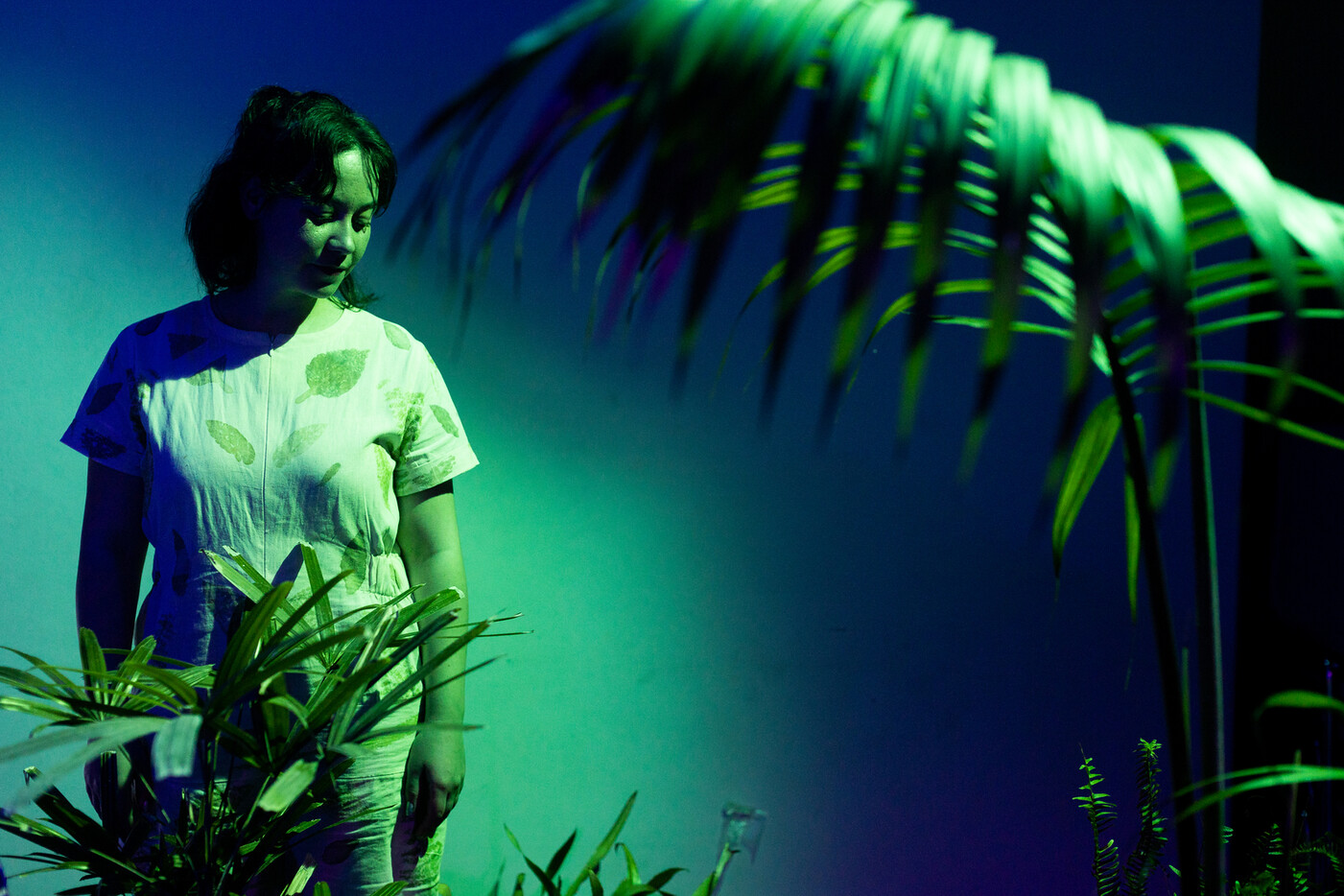
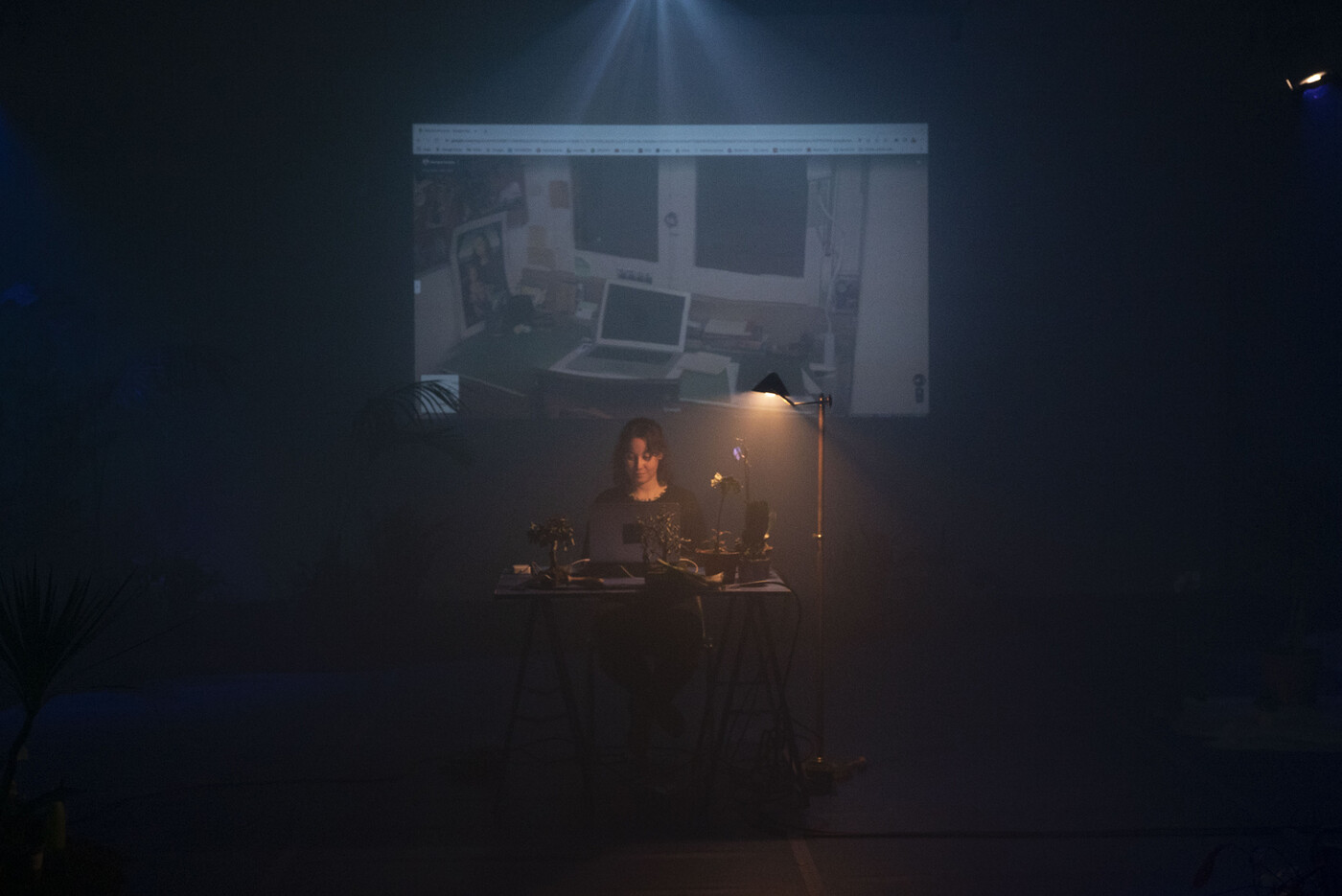
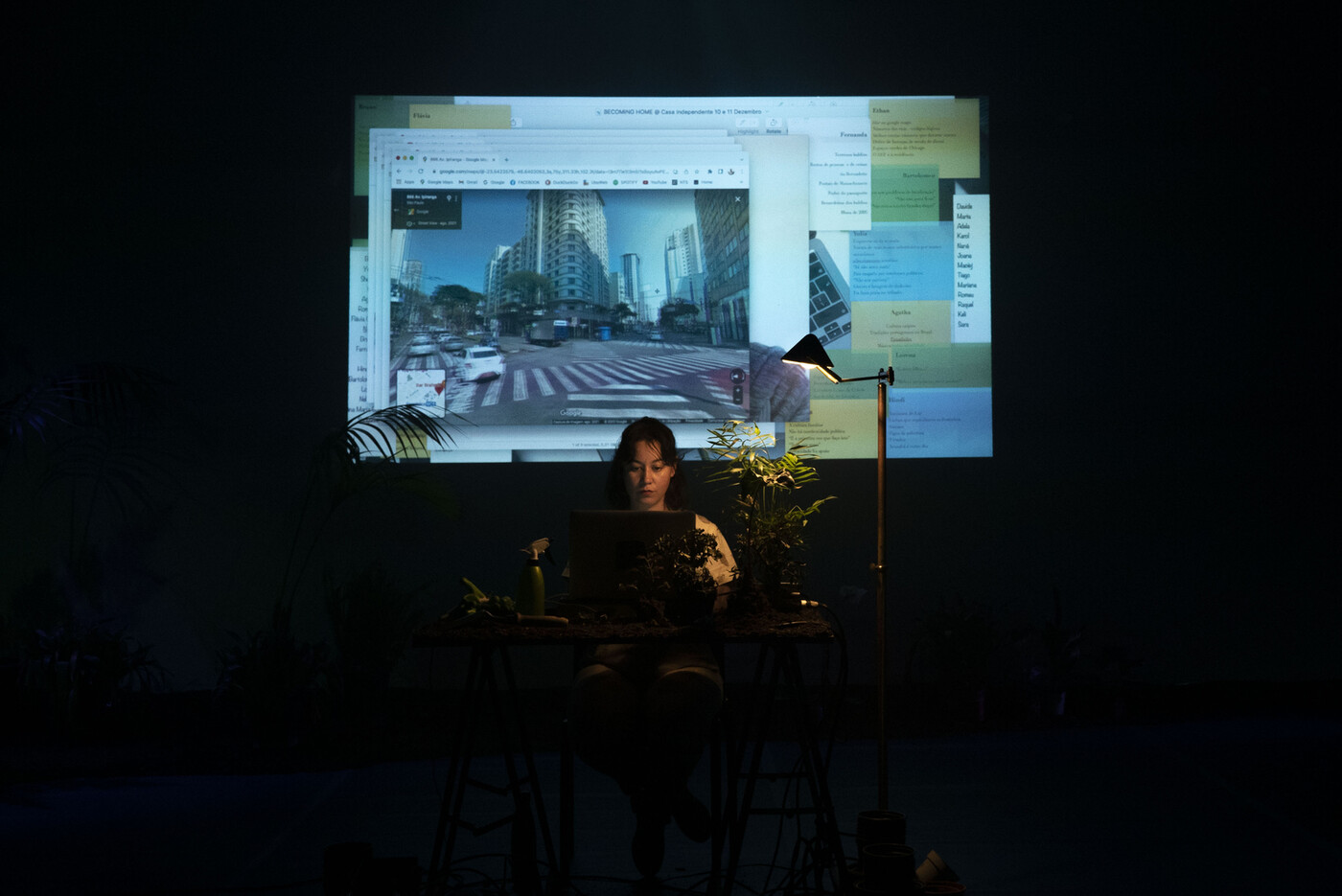
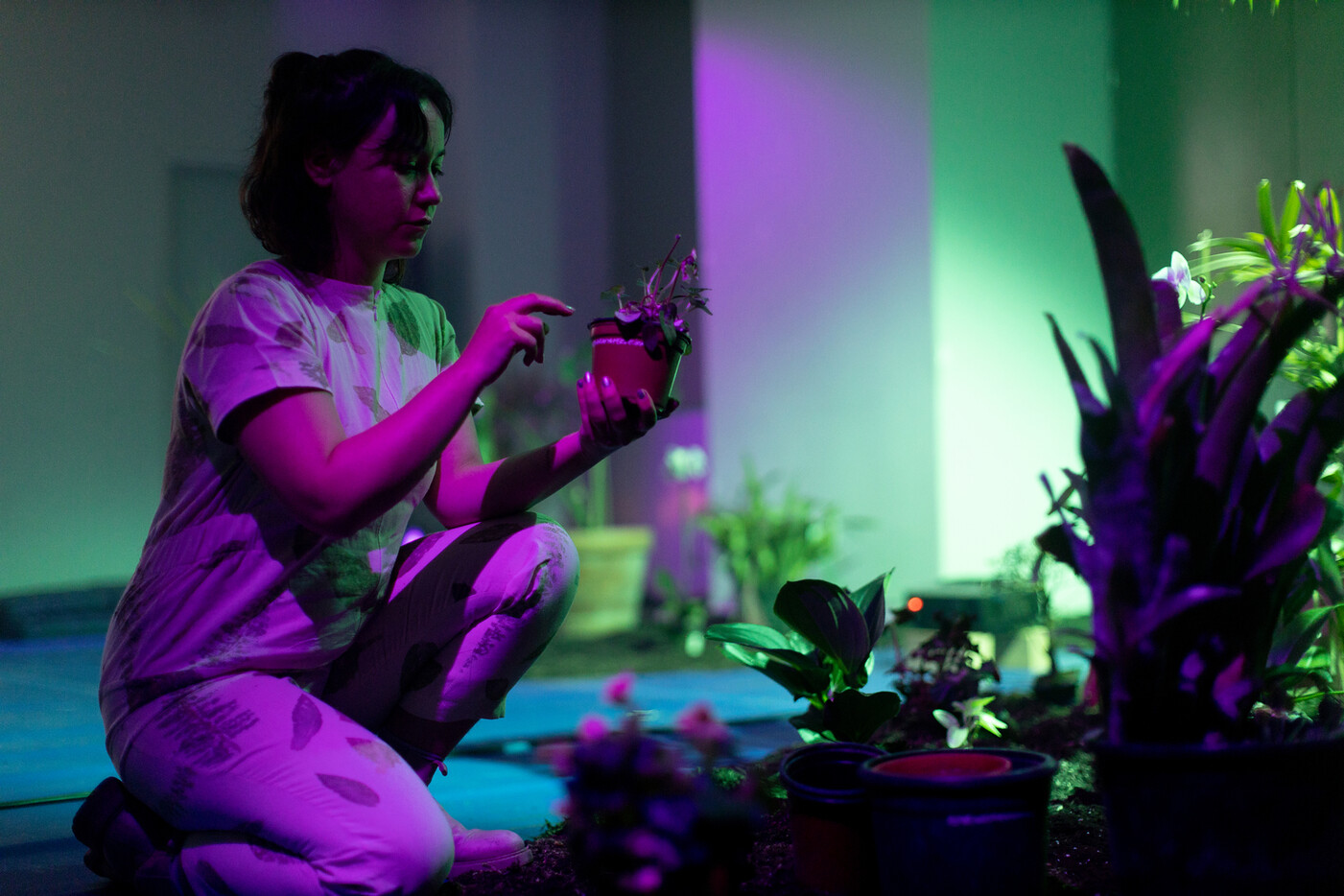
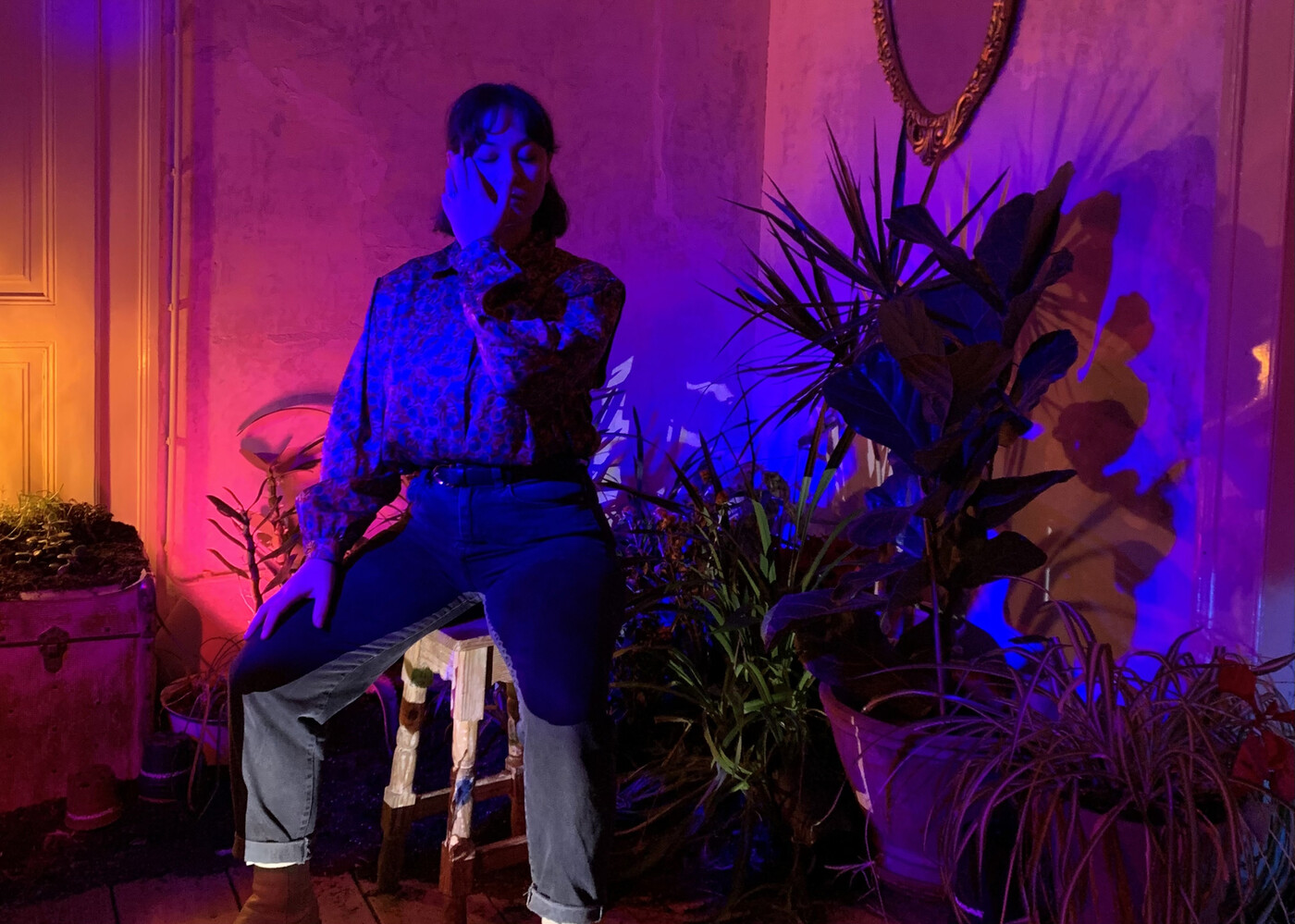
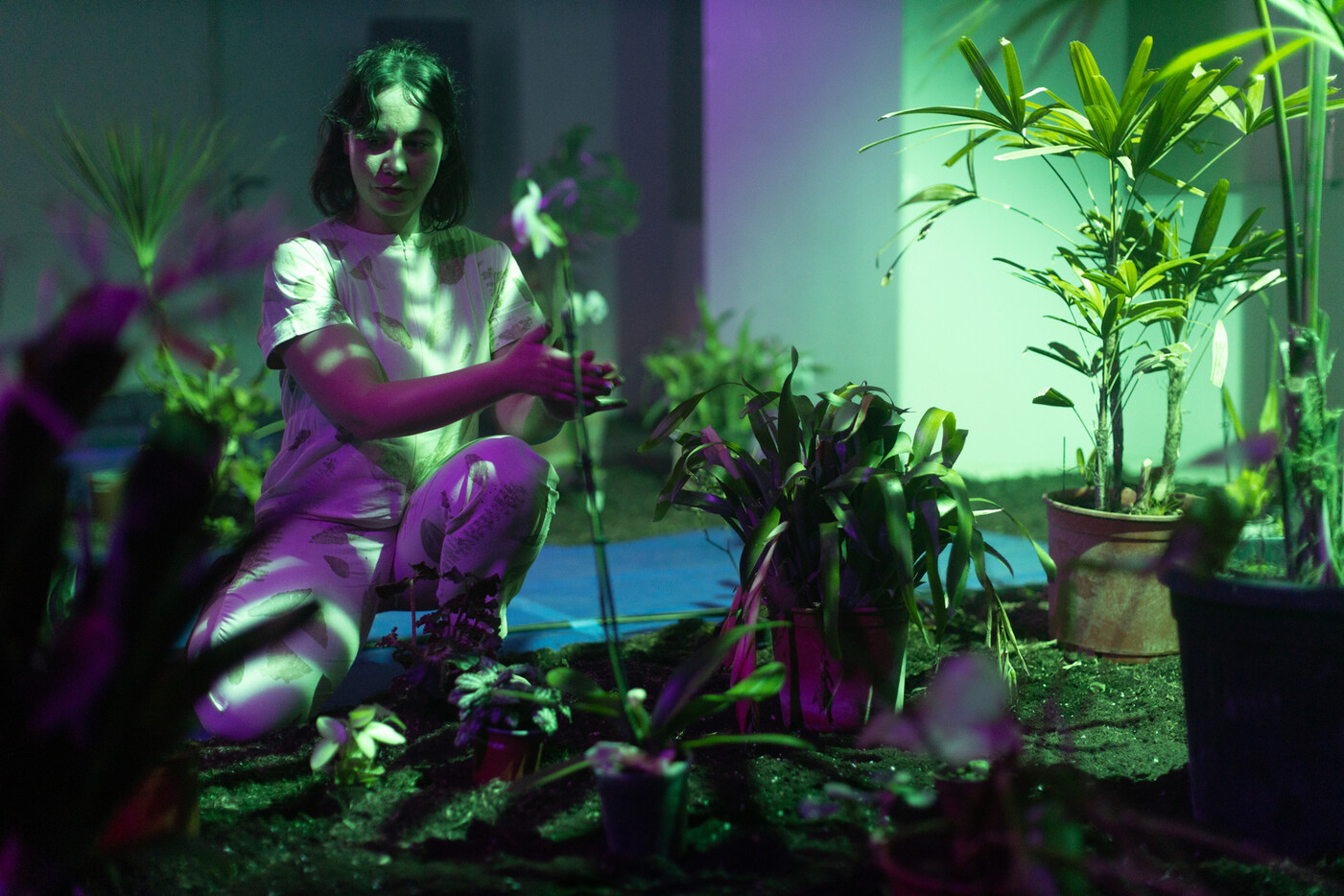
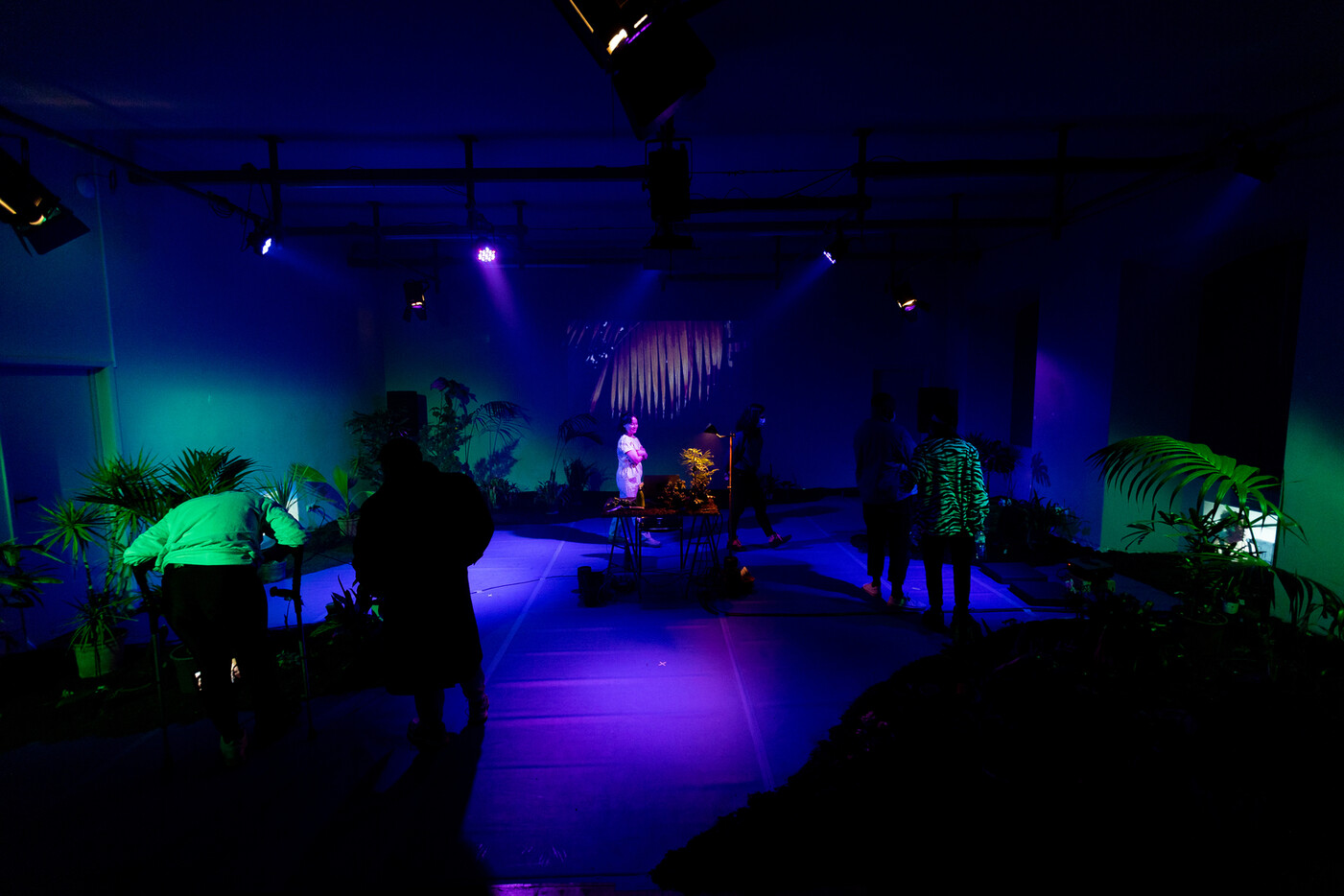
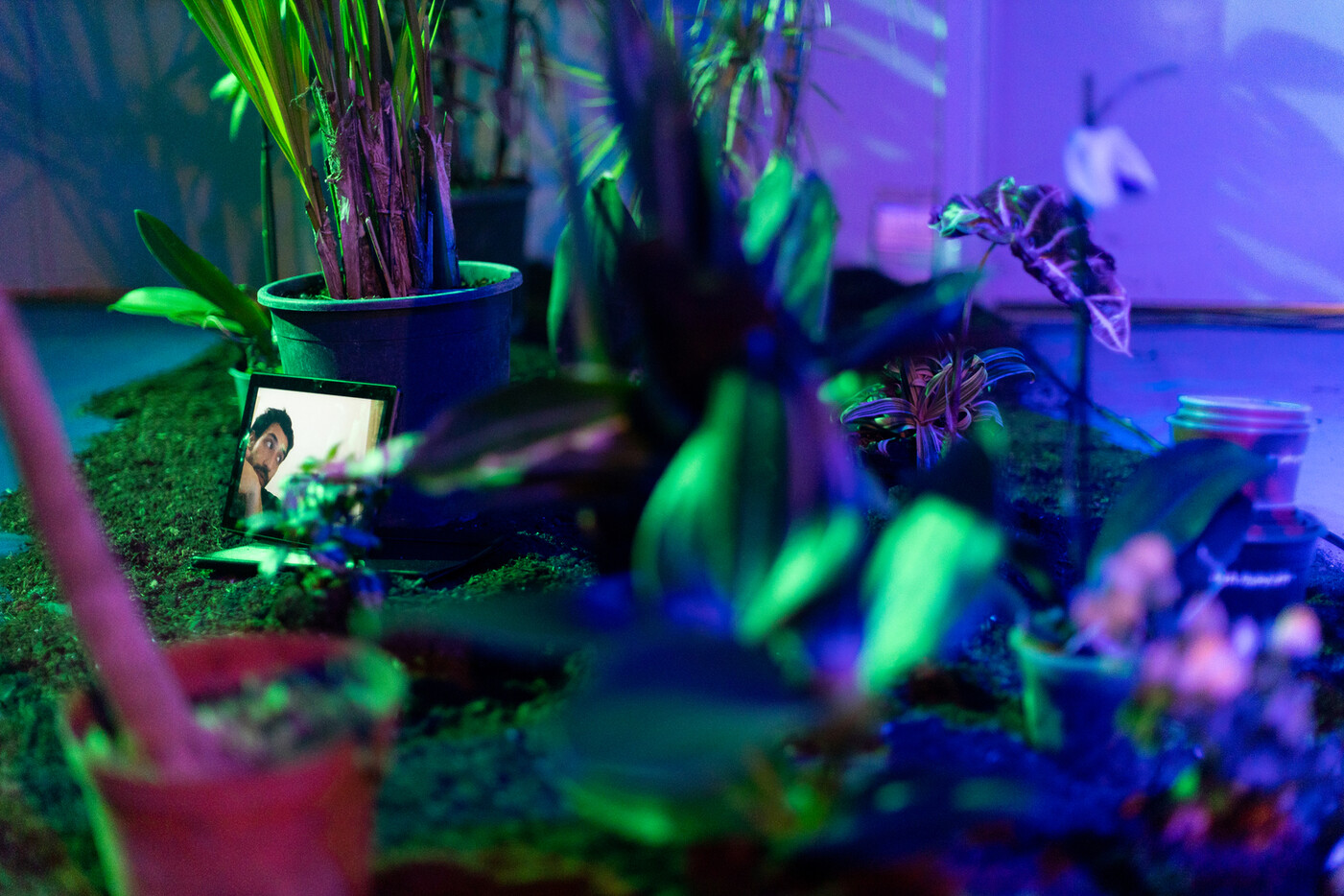
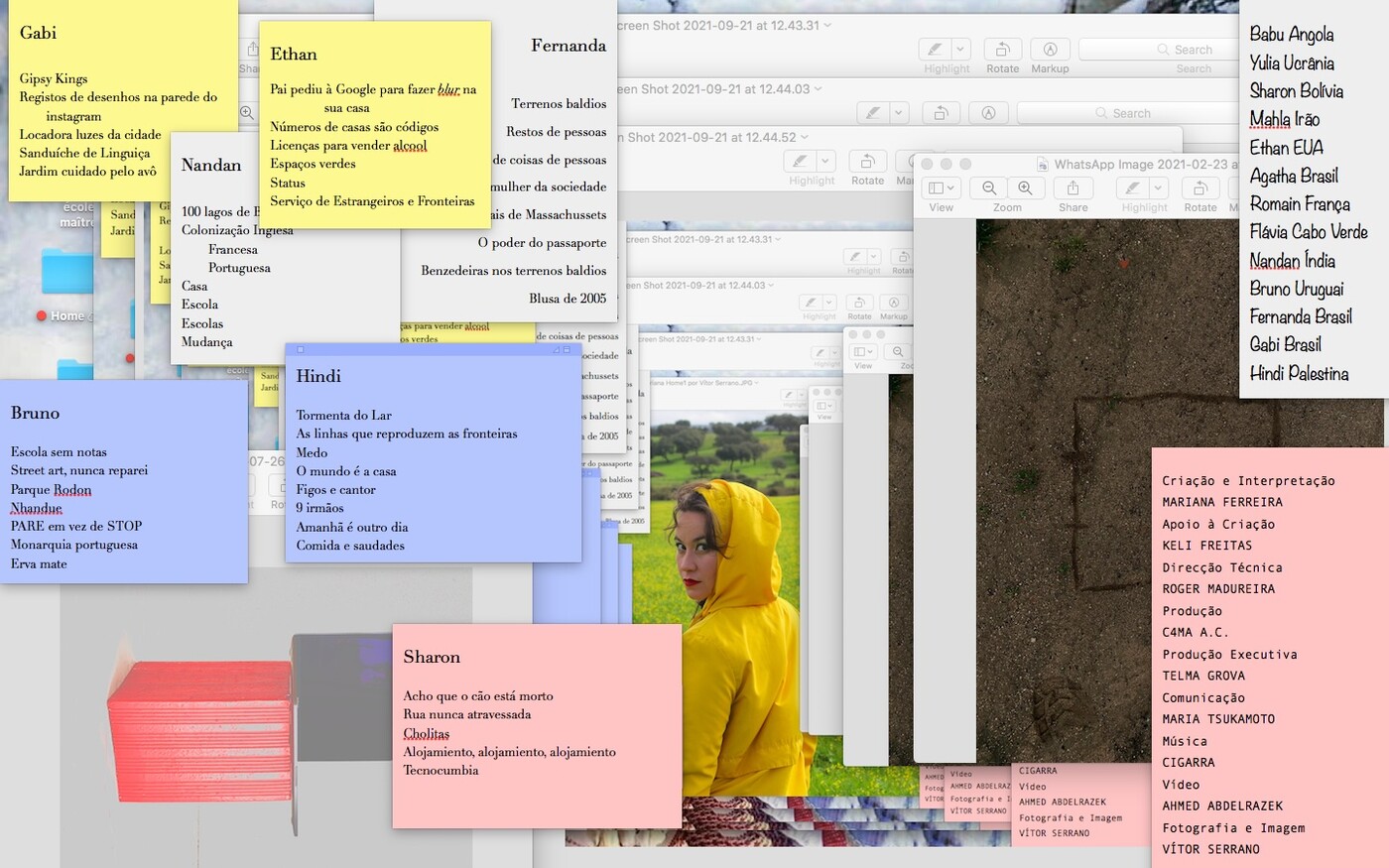
HOME is an on-going project, started in 2020 by Mariana Ferreira, which seeks to answer the question ‘What is a home?’.
Based on meetings with people from all over the world, invited to share their places via google street view, Mariana builds gardens that she inhabits and cares for, while travelling poetically and digitally through the stories of those she meets, as well as her own.
CREDITS
Conception, Artistic Direction and Performance: Mariana Ferreira
Creative Support: João Estevens
Dramaturgy Support: Keli Freitas
Technical Direction: Roger Madureira
Sound Design: Cigarra
Photography and Video: Tiago Moura
Translation and Subtitles: Xénon Cruz
Scenic Space and Photography: Vítor Serrano
Costume: Marina Tabuado
Communication: Maria Tsukamoto
Executive Production: Maria Paula
Production: CAMA a.c.
Artistic Residencies: Linha de Fuga, Largo residências
Co.Production Residency: O Espaço do tempo
Support: Casa Independente, Leroy Merlin e Horto do Campo Grande
Home is a project financed by the Portuguese Republic - Culture / DGArtes and the Lisbon City Council - FES Supports
PRESENTATIONS
Virtual performance version:
Laboratory and International Festival Linha de Fuga 2020
Performance and installation version:
Rua das Gaivotas, 6 March 2022
Casa Independente, October 2022
Lagos Cultural Centre, January 2023
Digital Version:
FITEI Digital, 2024
LINKS
https://express.adobe.com/page/qdVwGuCbgRx2h/
https://www.youtube.com/watch?v=Mv8RH_LnG9k
HOME é um projeto on-going, iniciado em 2020 por Mariana Ferreira, que busca responder à pergunta “O que é um lar”.
A partir de encontros com pessoas de todo o mundo, convidadas a partilhar os seus lugares através do google street view, Mariana constrói jardins que habita e cuida, enquanto viaja poética e digitalmente pelas histórias de quem encontra, e também pela sua.
CRÉDITOS
Concepção, Direção artística e Interpretação: Mariana Ferreira
Apoio à Criação: João Estevens
Apoio à Dramaturgia: Keli Freitas
Direção Técnica: Roger Madureira
Desenho de Som: Cigarra
Fotografia e Vídeo: Tiago Moura
Tradução e Legendagem: Xenon Cruz
Espaço Cénico e Fotografia: Vítor Serrano
Figurino: Marina Tabuado
Comunicação: Maria Tsukamoto
Produção Executiva: Maria Paula
Produção: CAMA a.c.
Residências Artísticas: Linha de Fuga, Largo residências
Residência de coprodução: O Espaço do tempo
Apoios: Casa Independente, Leroy Merlin e Horto do Campo Grande
Home é um projecto financiado pela República Portuguesa – Cultura / DGArtes e pela Câmara Municipal de Lisboa - Apoios FES
APRESENTAÇÕES
Versão performance virtual:
Laboratório e Festival Internacional Linha de Fuga 2020
Versão Performance e instalação:
Rua das Gaivotas 6 março 2022
Casa Independente outubro 2022
Centro Cultural de Lagos janeiro 2023
Versão Digital:
FITEI Digital 2024
LINKS
https://express.adobe.com/page/XAVwyMWHcIhYw/
https://www.youtube.com/watch?v=Mv8RH_LnG9k
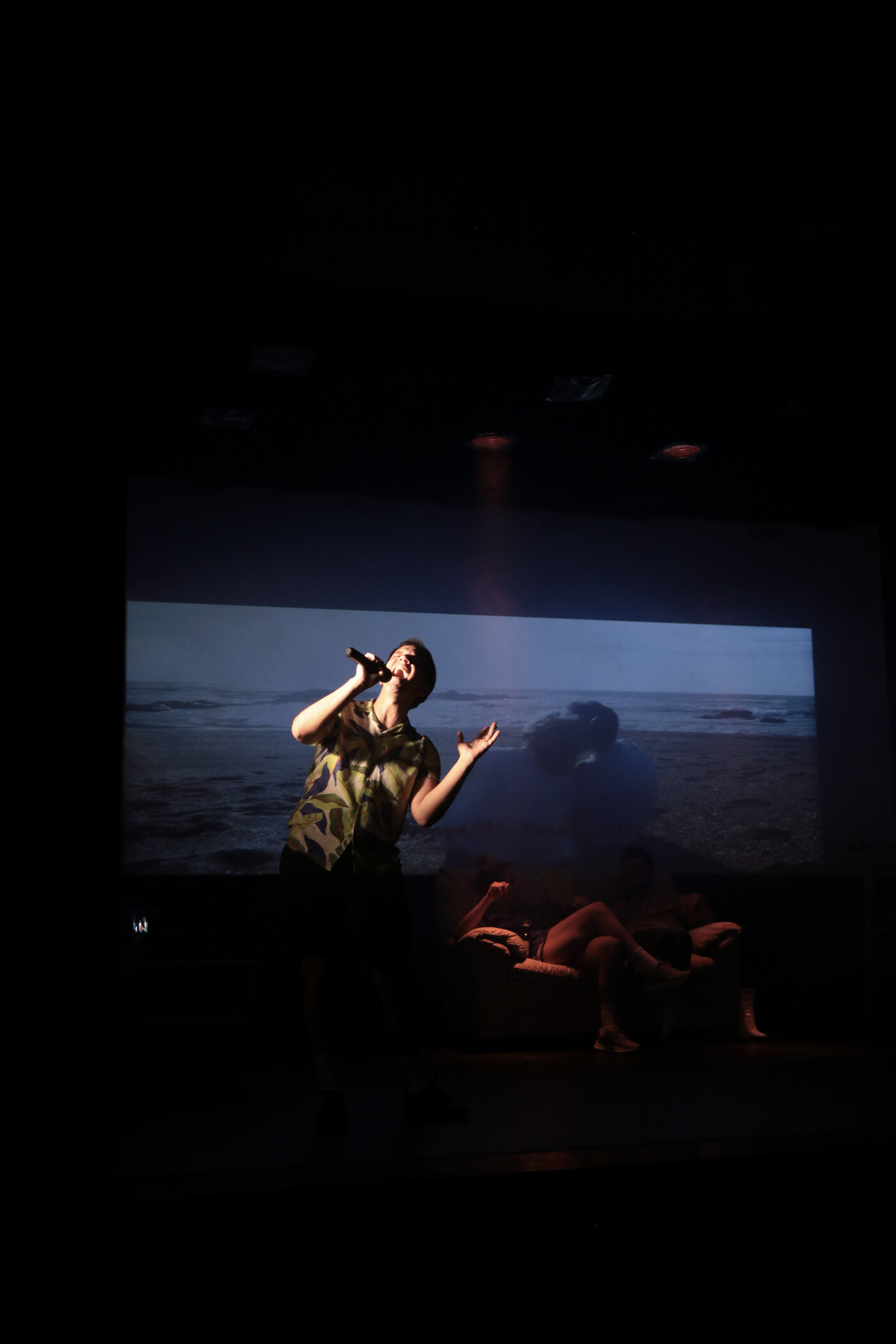
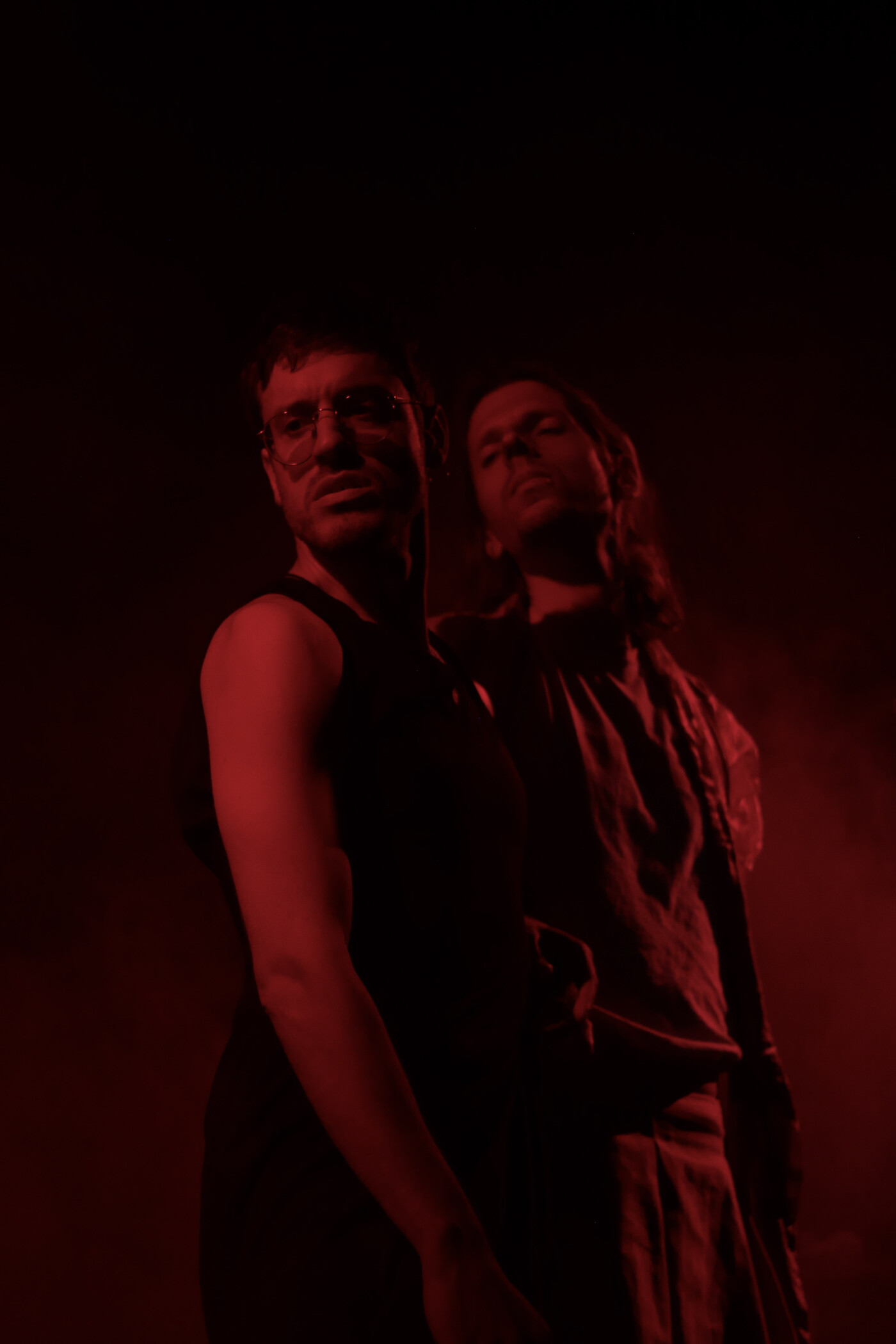
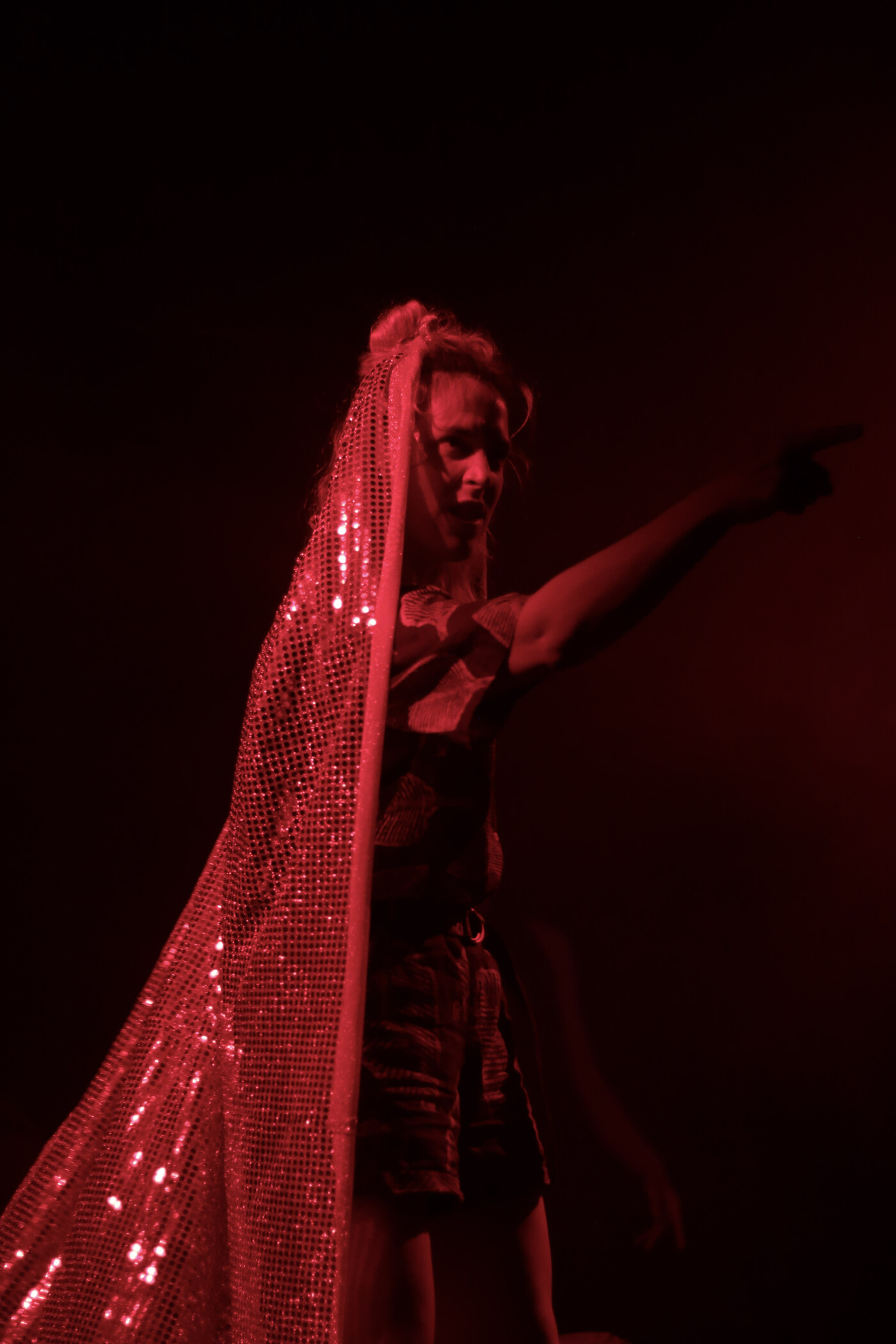
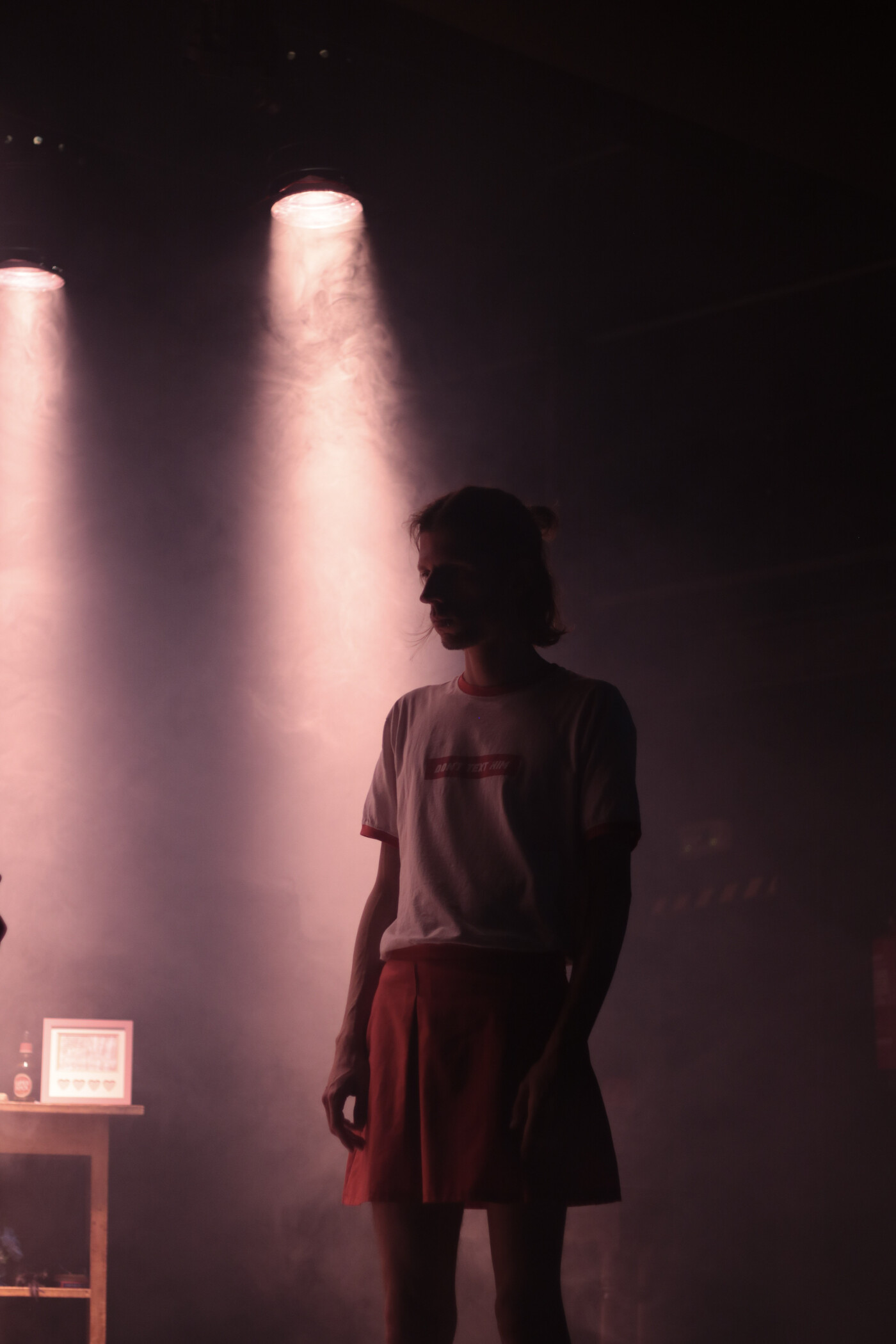
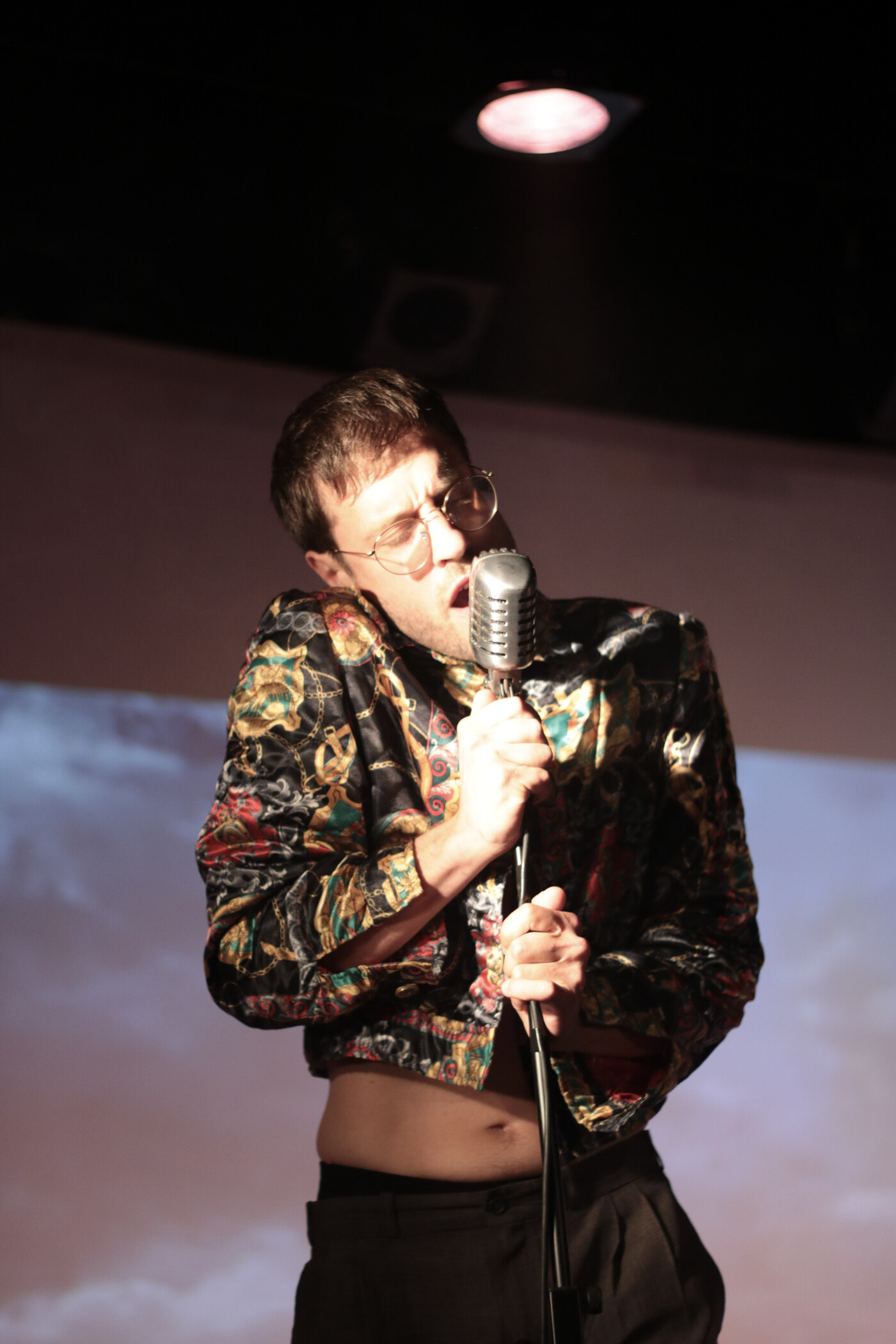
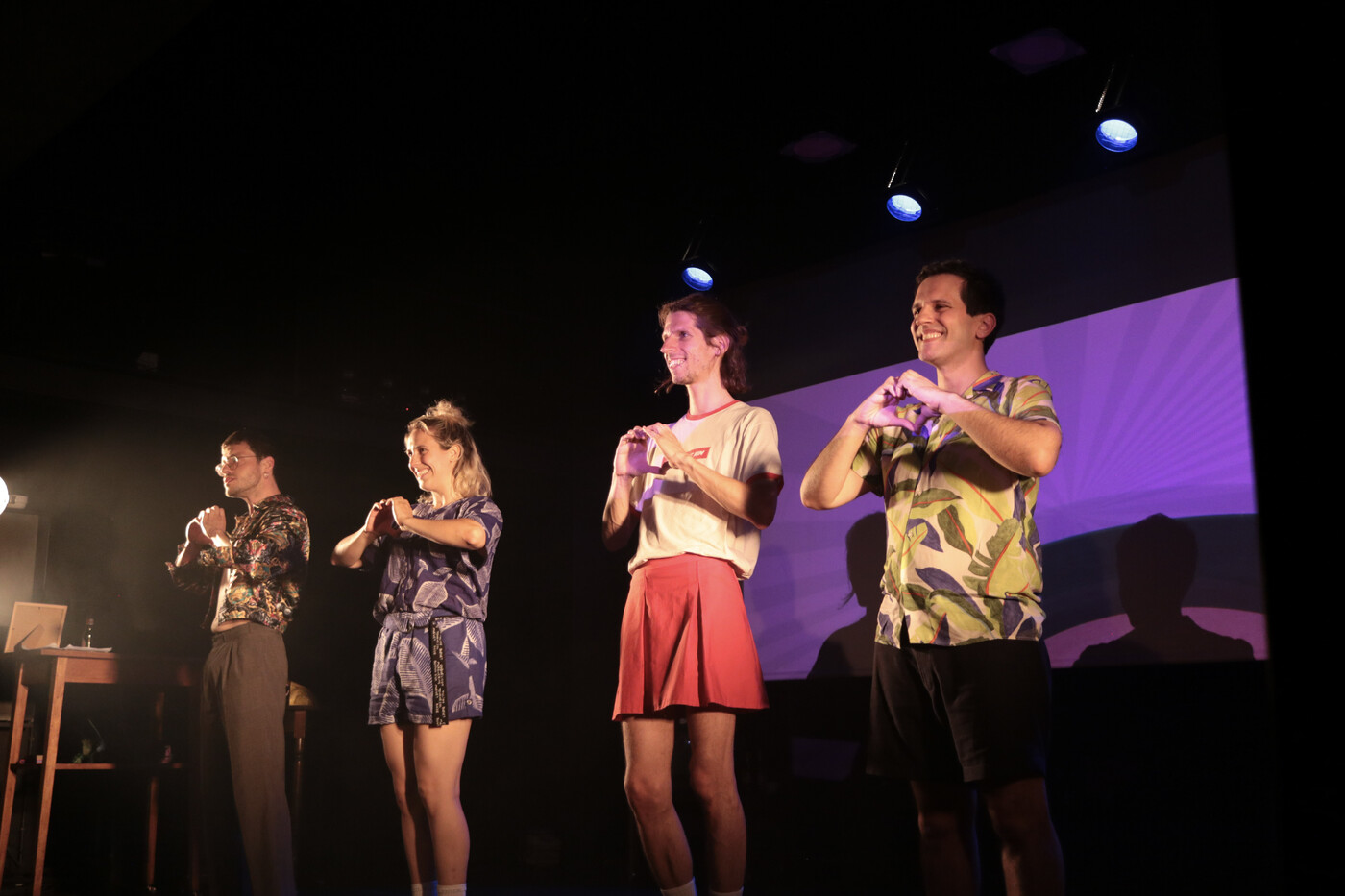
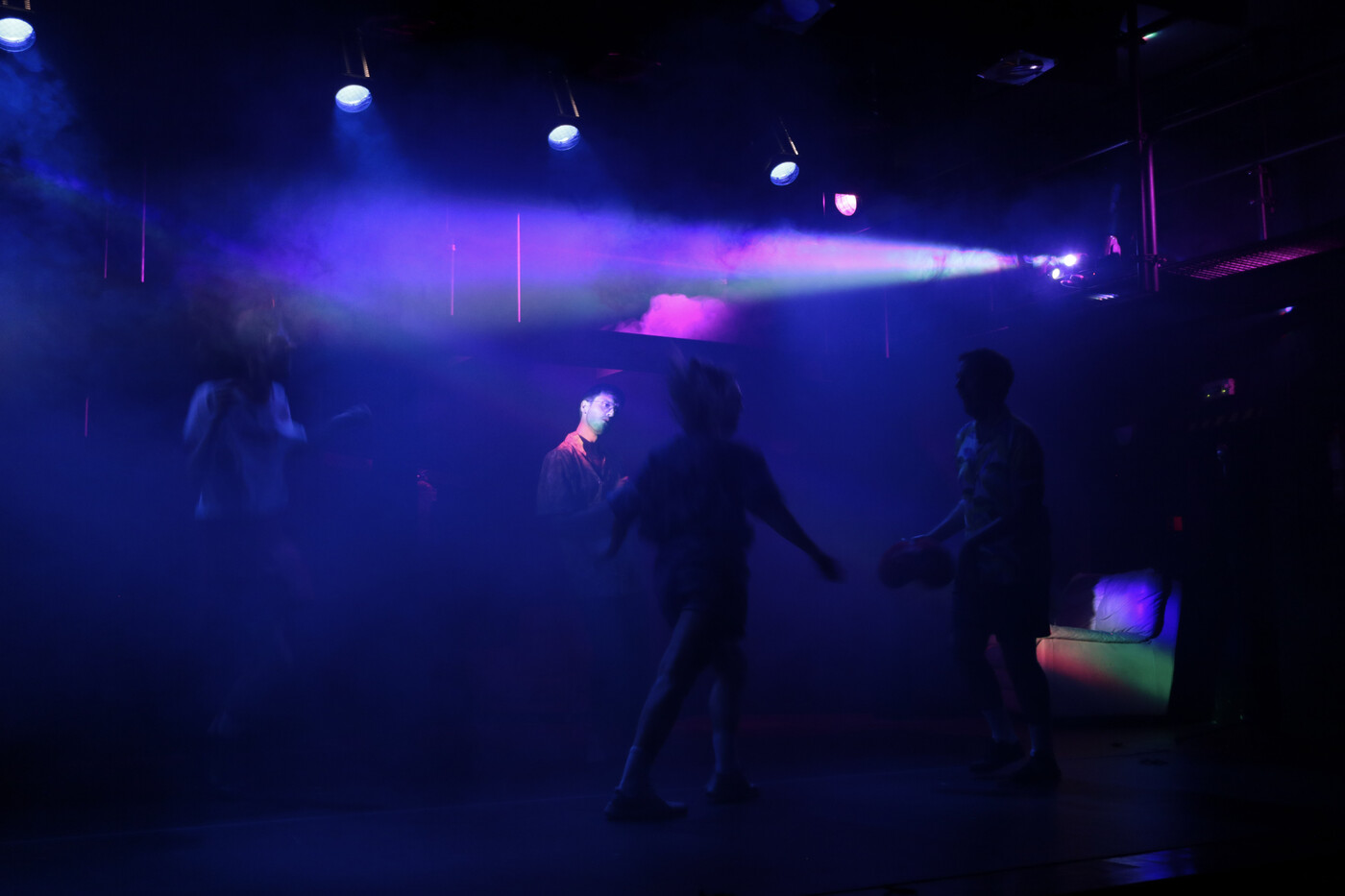
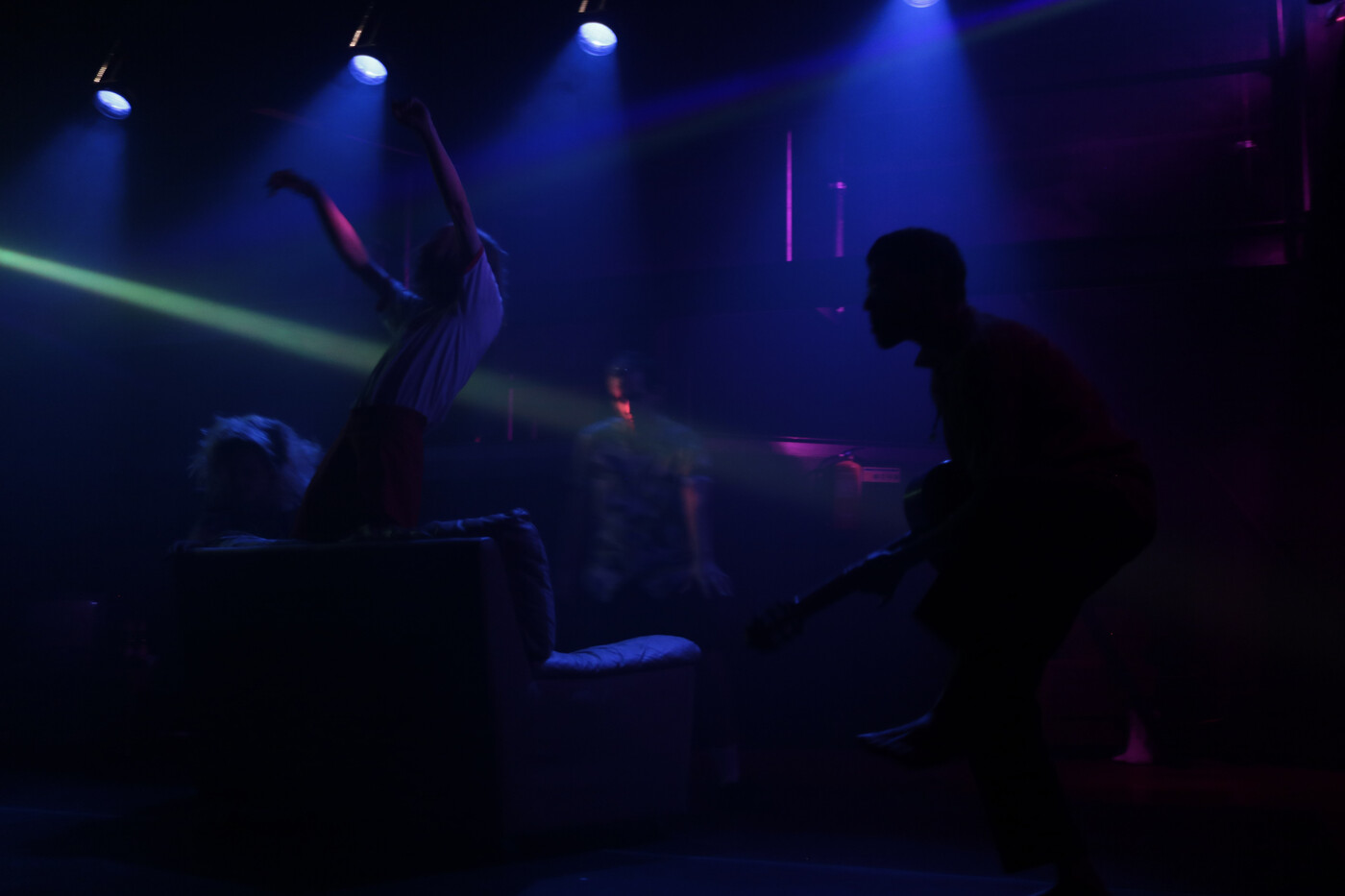
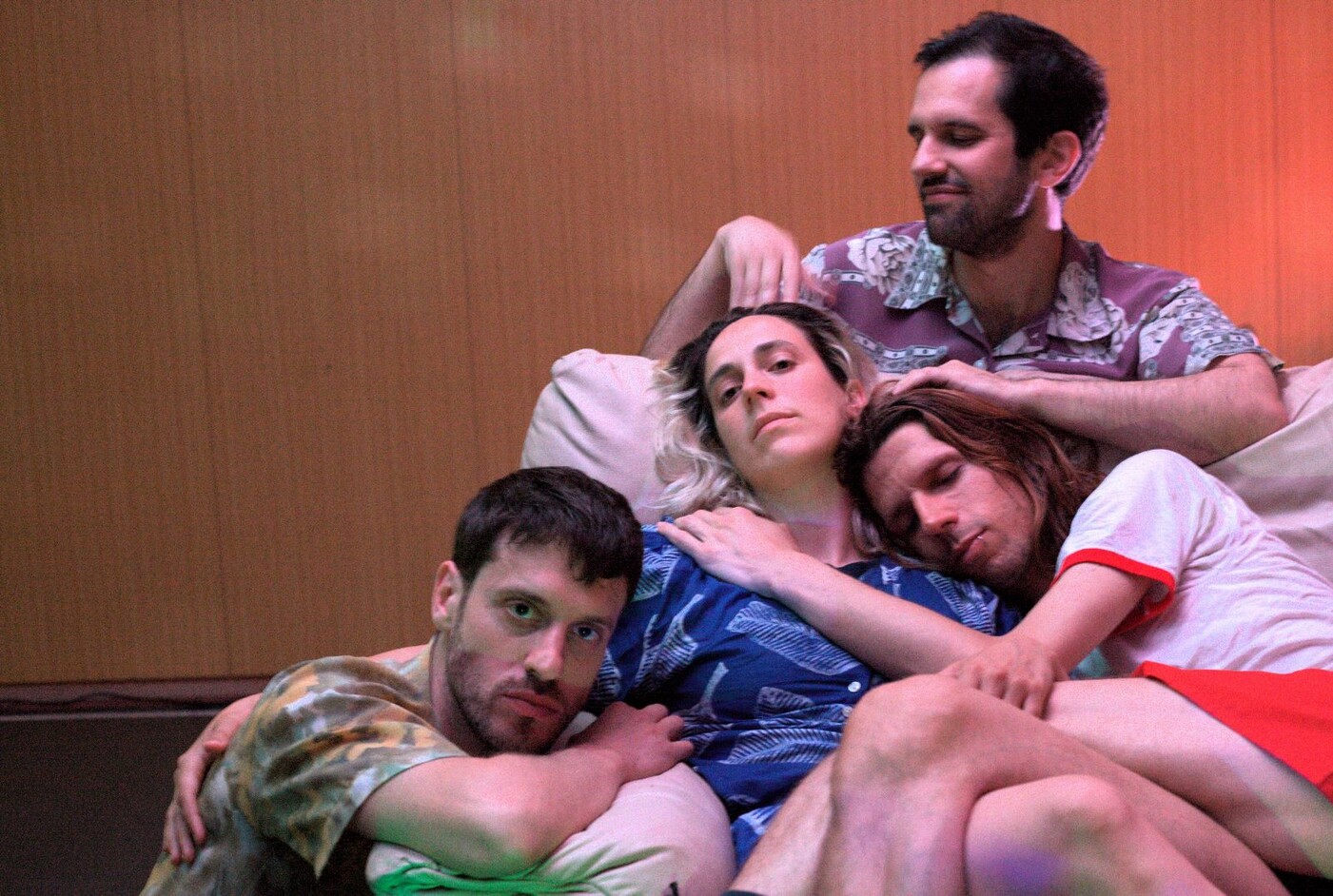
Ó môr (oh luv) is a love karaoke, produced by the University Theatre of Porto and written and directed by Mariana Ferreira
Ó môr is a performance by/for TUP
Ó môr is sometimes theatre
Ó môr talks about love, but fails
Ó môr sings, but goes out of tune
Ó môr questions, but gets lost
Ó môr asks, but runs away
Ó môr is a karaoke party
Ó môr is an encounter
Ó môr is an exorcism
Ó môr is sad
Ó môr has no moral to the story
Ó môr, are fantasy and memory the same thing?
Ó môr is theatre, sex is a show
Ó môr fits in the pit of a tooth
CREDITS
Text and Director: Mariana Ferreira
Directing Assistant: Rui Resende
Acting: Gonçalo Albuquerque, Inês Pinheiro Torres, João Coimbra and Orlando Gilberto-Castro
Production: Gonçalo Albuquerque, Ricardo Pinheiro, Rui Resende
Technical Director: Roger Madureira
Video: Mariana Ferreira, Nuno Matos, Ricardo Pinheiro
Graphic Design: Nuno Matos
Original music: João Coimbra
Movement support: Vera Santos
Voice support: Bernardo Gavina
Technical support: Eduardo Brandão
Bricolage: Inês Pinheiro Torres
Acknowledgements: Maria João Calisto | Alex Cassal | Bruno Fraga Brás | Catarina Vieira | Cooperativa Dramatúrgica | Diogo Liberano | Filipa Leão | Filipa Matta | Guilherme Gomes | gui silvestre | Helena Soares | Iara António | Joana Mont'alverne | Júlio Eme | Keli Freitas | Leonor Noivo | Lina Nóbrega | Luísa Fidalgo | Luísa França | Manuel de Barros | Maria Leite | Mariana Leite Soares | Miguel Carranca | Patrícia Xará | Raquel S. | RSB - Comunicação na Imagem | Sandra Pinheiro | Sara Oliveira | Tânia Rodrigues | Tiago Aires Lêdo | Tiago Moura
A project supported by the University of Porto and IPDJ.
Hosted by Confederation.
Presented between 8 and 17 June at the Miragaia Musical Group Auditorium and welcomed by Confederação
LINKS
Ó môr é um karaoke amoroso, produzido pelo Teatro Universitário do Porto e escrito e dirigido por Mariana Ferreira.
Ó môr é um espectáculo do/pelo/para o TUP
Ó môr às vezes é teatro
Ó môr fala sobre amor, mas falha
Ó môr canta, mas desafina
Ó môr questiona, mas perde-se
Ó môr pergunta, mas foge
Ó môr é uma festa de karaoke
Ó môr é um encontro
Ó môr é um exorcismo
Ó môr é triste
Ó môr não tem moral da história
Ó môr, fantasia e memória são a mesma coisa?
Ó môr é teatro, sexo é espectáculo
Ó môr cabe na cova de um dente
CRÉDITOS
Texto e Encenação: Mariana Ferreira
Assistência de Encenação: Rui Resende
Interpretação: Gonçalo Albuquerque, Inês Pinheiro Torres, João Coimbra e Orlando Gilberto-Castro
Produção: Gonçalo Albuquerque, Ricardo Pinheiro, Rui Resende
Direção Técnica: Roger Madureira
Vídeo: Mariana Ferreira, Nuno Matos, Ricardo Pinheiro
Design gráfico: Nuno Matos
Música original: João Coimbra
Apoio a movimento: Vera Santos
Apoio a voz: Bernardo Gavina
Apoio técnico: Eduardo Brandão
Bricolage: Inês Pinheiro Torres
AGRADECIMENTOS
Maria João Calisto | Alex Cassal | Bruno Fraga Brás | Catarina Vieira | Cooperativa Dramatúrgica | Diogo Liberano | Filipa Leão | Filipa Matta | Guilherme Gomes | gui silvestre | Helena Soares | Iara António | Joana Mont’alverne | Júlio Eme | Keli Freitas | Leonor Noivo | Lina Nóbrega | Luísa Fidalgo | Luísa França | Manuel de Barros | Maria Leite | Mariana Leite Soares | Miguel Carranca | Patrícia Xará | Raquel S. | RSB - Comunicação na Imagem | Sandra Pinheiro | Sara Oliveira | Tânia Rodrigues | Tiago Aires Lêdo | Tiago Moura
Um projeto apoiado pela Universidade do Porto e IPDJ.
Acolhimento por Confederação.
Apresentado entre 8 e 17 de junho no Auditório do Grupo Musical de Miragaia e acolhido pela Confederação
LINKS
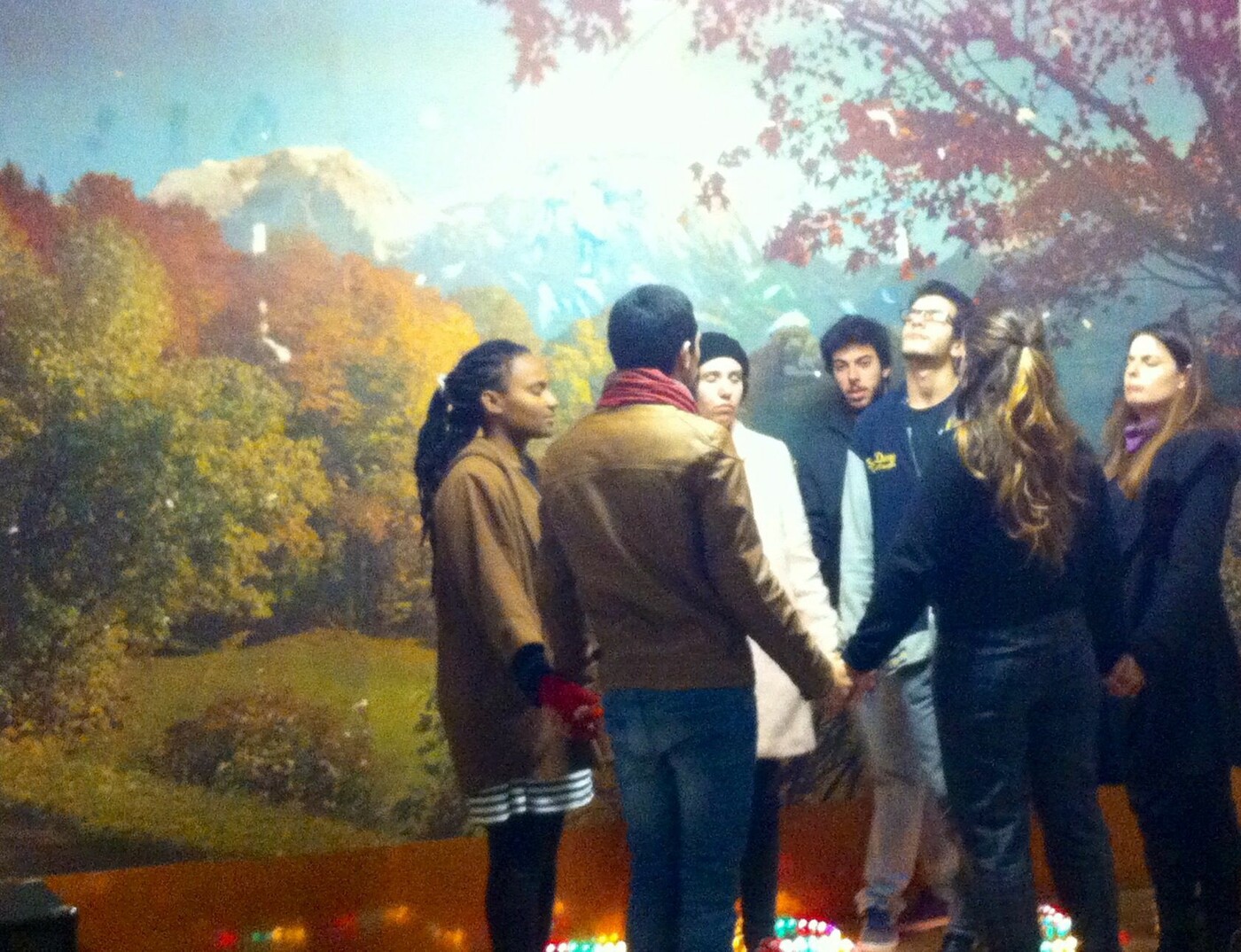
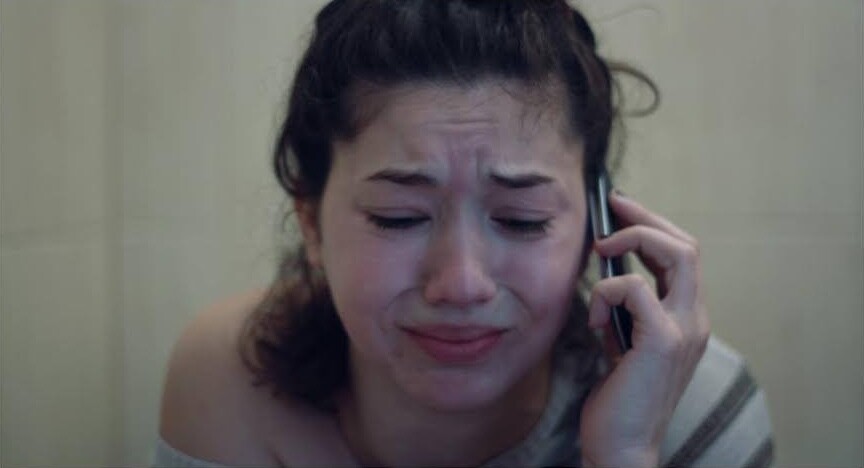
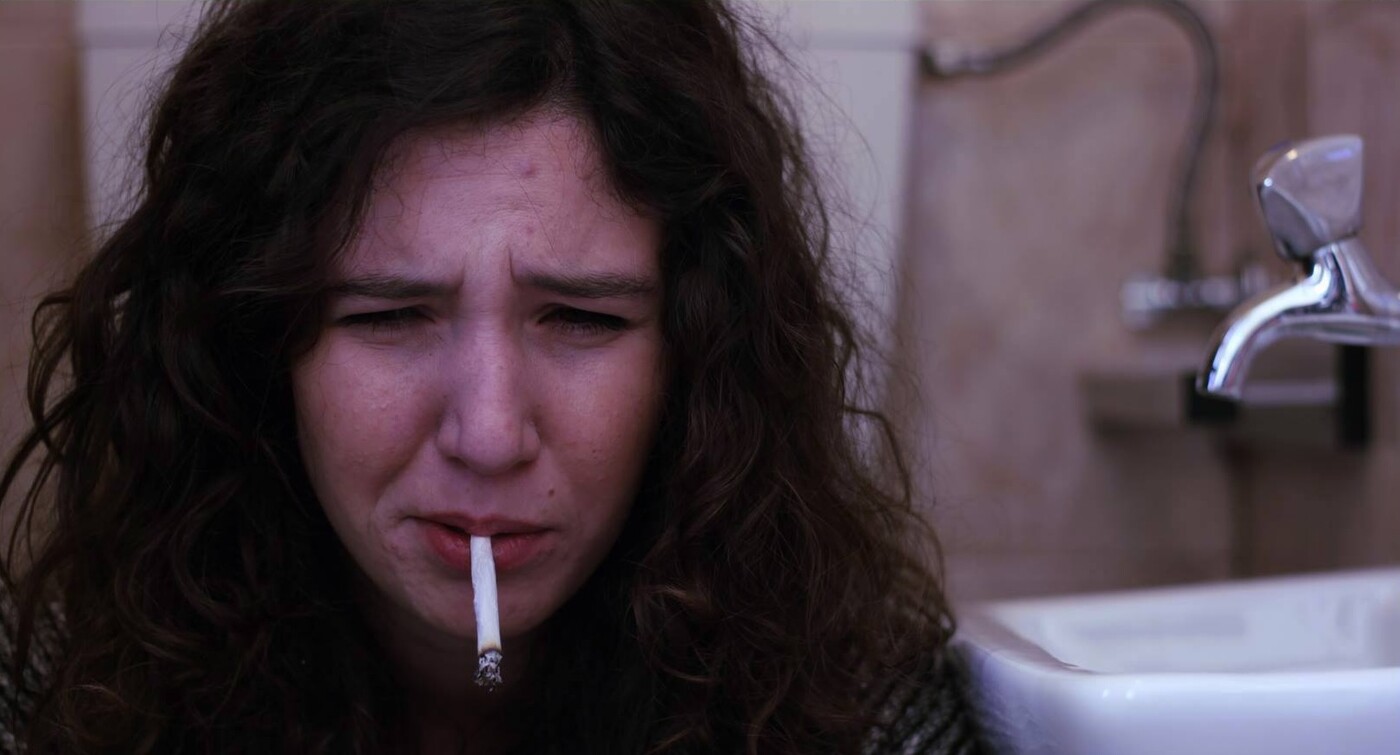
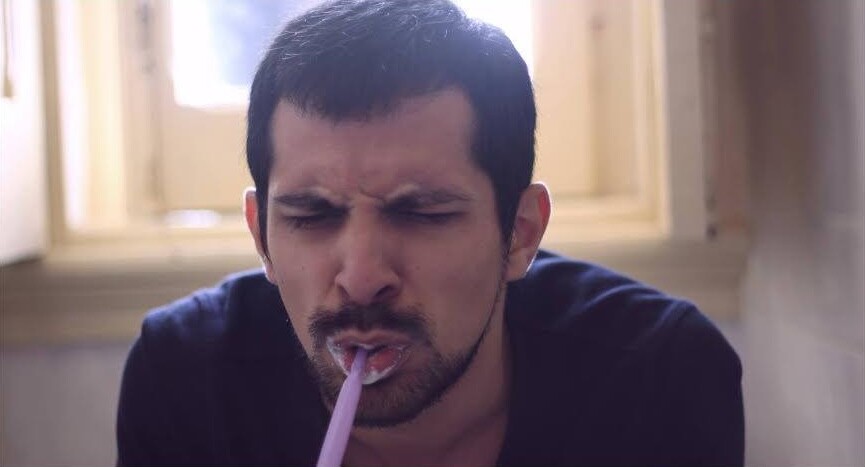
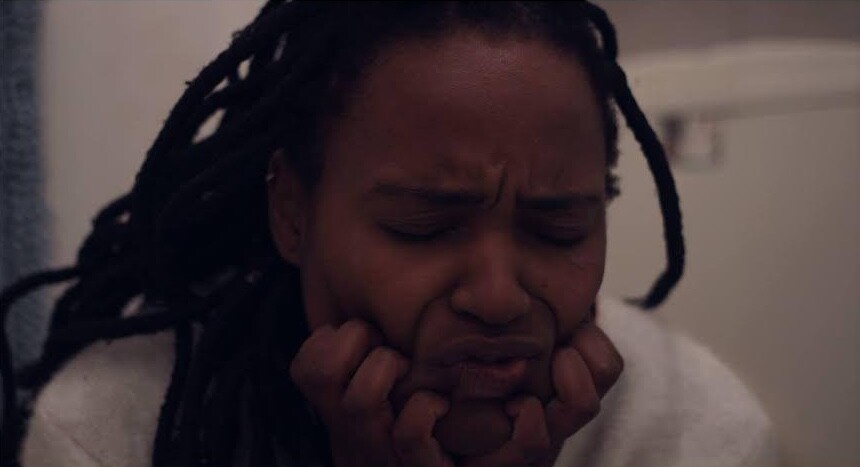
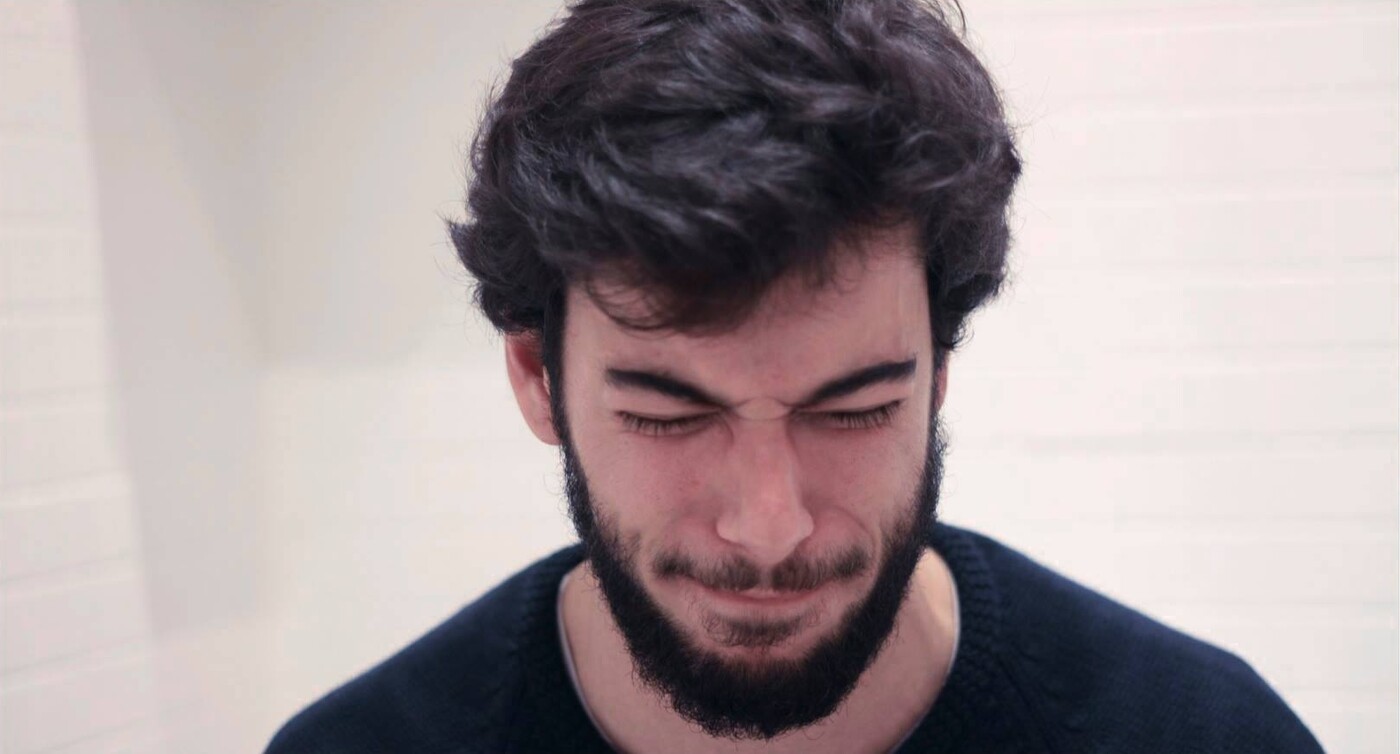
Musgo e Urze was the first show directed by Mariana Ferreira, adapted from ‘Par-dessus bord’ by Michel Vinaver.
It tells the story of a toilet paper company in difficulty that invests heavily in marketing and advertising in the hope of prospering. The project is built on the desire to reflect on capitalist imprisonment, savage marketing, work and family, framed in a scatological, subversive and absurd universe.
CREDITS
Translation: Luís Varela e Christine Zurbach
Direction and dramaturgical adaptation: Mariana Ferreira
Performance: Cleonise Tavares, João Pedro Leal, Leonor Wellenkamp Carretas, Mariana Gomes, Mário Coelho, Nádia Yracema, Rita Silva, Sandra Pereira e Victor M. Gonçalves
Production: Francisco Andrade e Mariana Ferreira
Poster: Miguel Ângelo Sobral
Teaser: João Leitão e Mariana Ferreira
Dramaturgy support: Sébastien Jallaud
Technical Direction: Roger Madureira
Costumes support: Cleonise Tavares
Acknowledgements: Michel Vinaver, Luís Varela, Isac Graça, Sr. Alberto, José Ramadas, Matias Pinto, Joana Santos, Marta Félix, Sofia Santos Silva, Maria Repas Gonçalves, Ethan Heil, Francisco Belard, Eduardo Luíz, Cristina Loja, Pedro Flor, Maria do Rosário Flor, Andreia Coelho, Carlos Ferreira, Carlos Rosa, Tânia Vaz Pinto, Miguel Velez, Polo Rosa, Pedro Jorge, Trabalhadores da H&M - Fórum Sintra e a todos os sócios dos Amigos do Minho.
Presented from 3 until 7 and from 10 until 14 of March 2015 at Os Amigos do Minho, Lisbon
LINK TEASER
Musgo e Urze foi o primeiro espectáculo dirigido por Mariana Ferreira, escrito a partir de 'Borda Fora', de Michel Vinaver .
A partir de "Borda Fora" de Michel Vinaver, uma comédia sobre uma empresa familiar de papel higiénico em dificuldades.
Este foi um projeto sem qualquer tipo de financiamento, mas construído por um grupo de artistas emergentes e com vontade de questionar o seu contexto profissional e social.
O espectáculo foi apresentado em 2015 na já desaparecida Casa dos Amigos do Minho em Lisboa.
CRÉDITOS
Tradução: Luís Varela e Christine Zurbach
Direção e adaptação dramatúrgica: Mariana Ferreira
Interpretação: Cleonise Tavares, João Pedro Leal, Leonor Wellenkamp Carretas, Mariana Gomes, Mário Coelho, Nádia Yracema, Rita Silva, Sandra Pereira e Victor M. Gonçalves
Produção: Francisco Andrade e Mariana Ferreira
Cartaz: Miguel Ângelo Sobral
Teaser: João Leitão e Mariana Ferreira
Apoio à Dramaturgia: Sébastien Jallaud
Direcção técnica: Roger Madureira
Apoio aos Figurinos: Cleonise Tavares
Agradecimentos: Michel Vinaver, Luís Varela, Isac Graça, Sr. Alberto, José Ramadas, Matias Pinto, Joana Santos, Marta Félix, Sofia Santos Silva, Maria Repas Gonçalves, Ethan Heil, Francisco Belard, Eduardo Luíz, Cristina Loja, Pedro Flor, Maria do Rosário Flor, Andreia Coelho, Carlos Ferreira, Carlos Rosa, Tânia Vaz Pinto, Miguel Velez, Polo Rosa, Pedro Jorge, Trabalhadores da H&M - Fórum Sintra e a todos os sócios dos Amigos do Minho.
Apresentado entre 3 e 7 e 10 e 14 de Março de 2015 n’Os Amigos do Minho em Lisboa
LINK TEASER
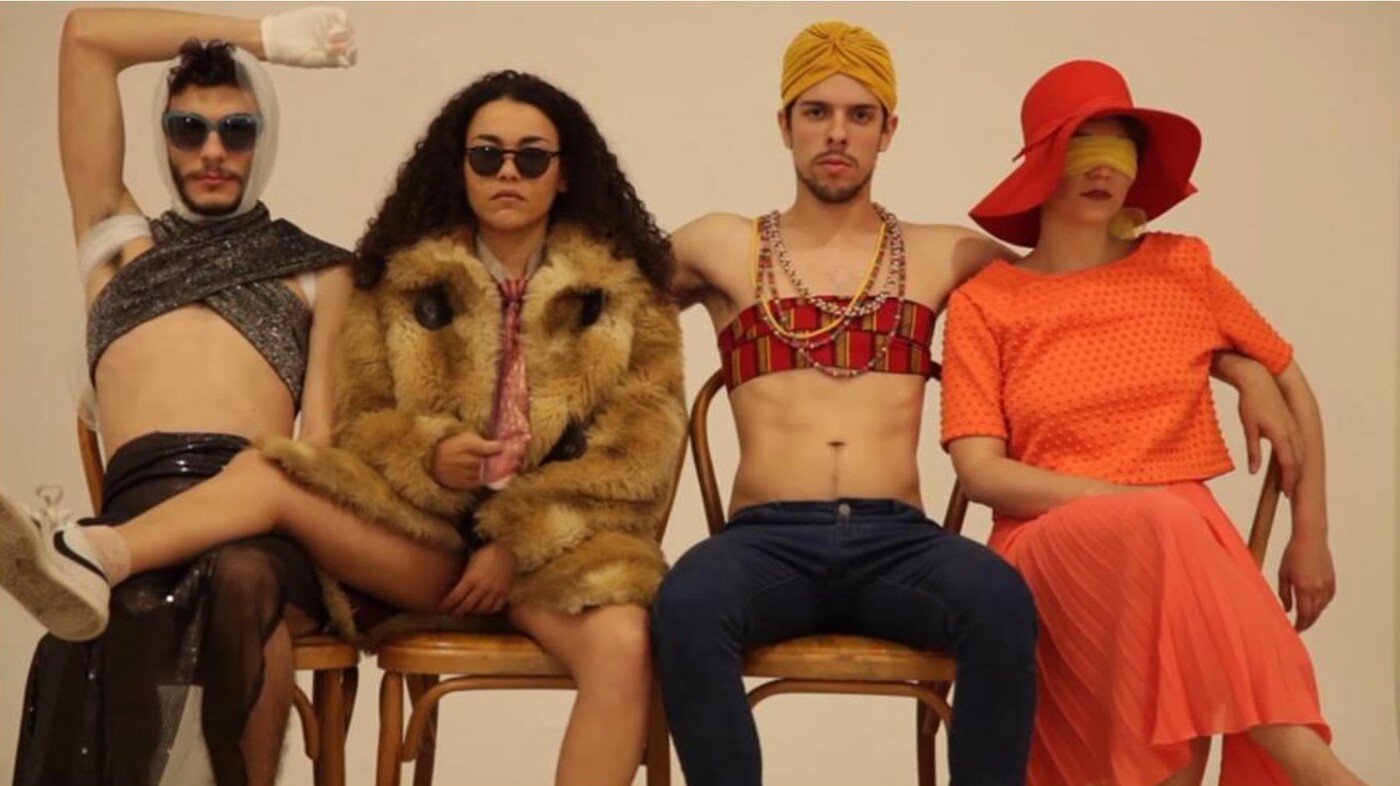
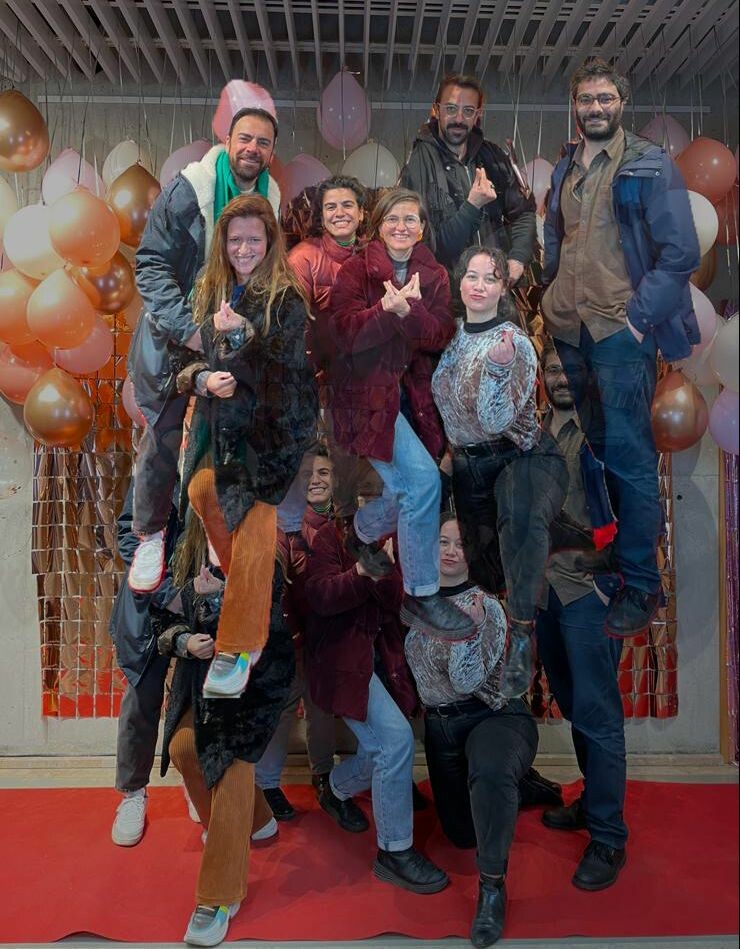
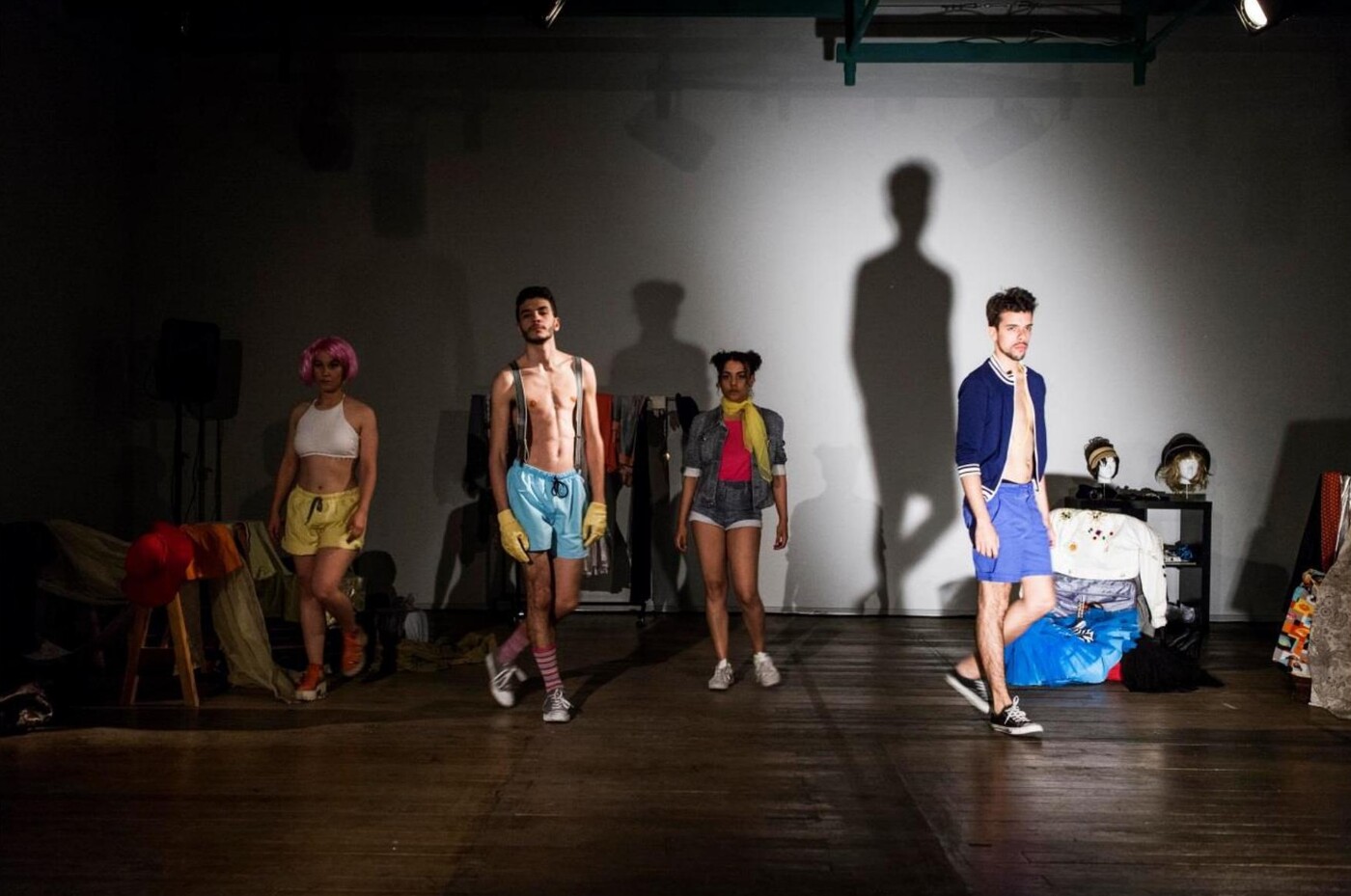
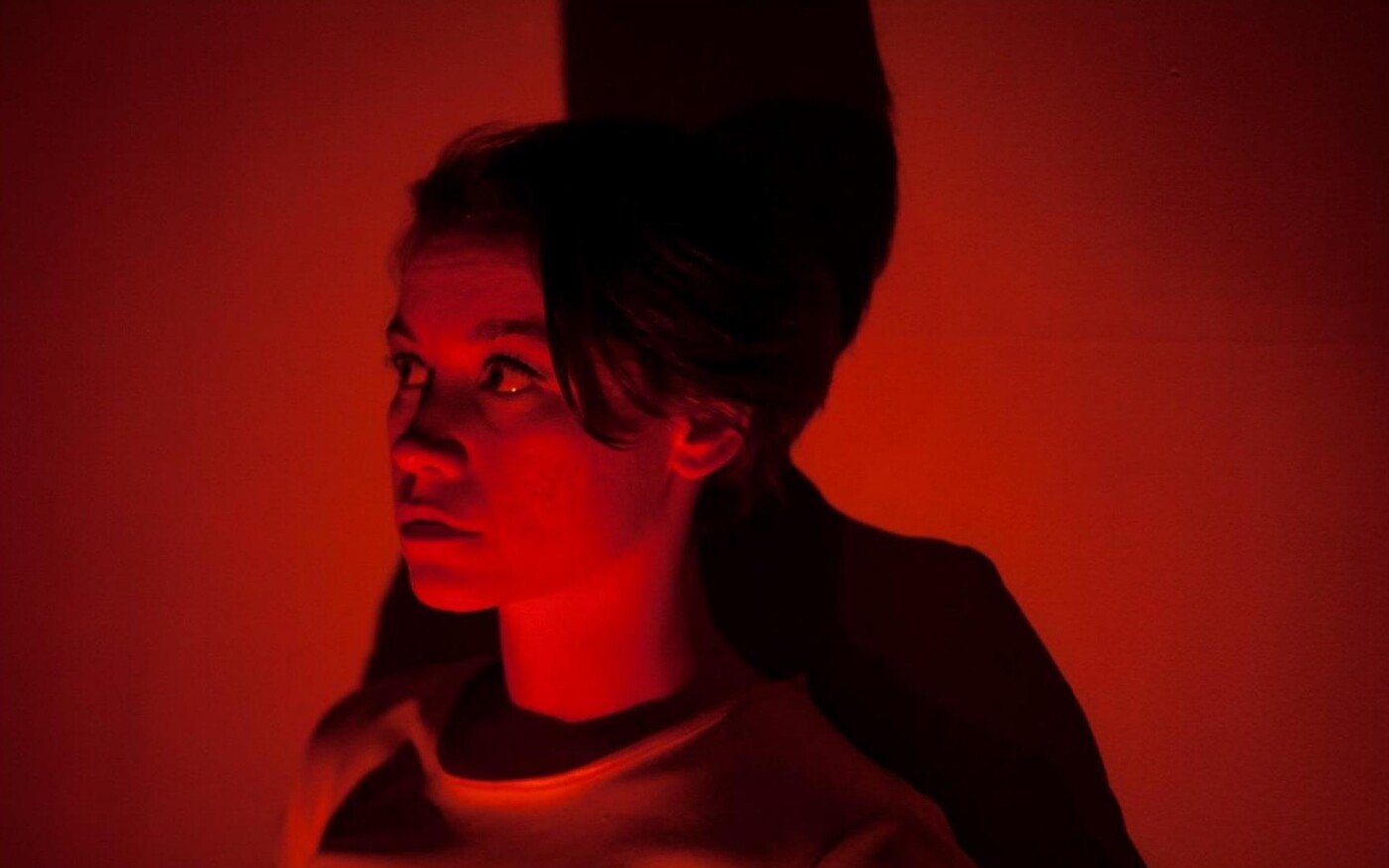
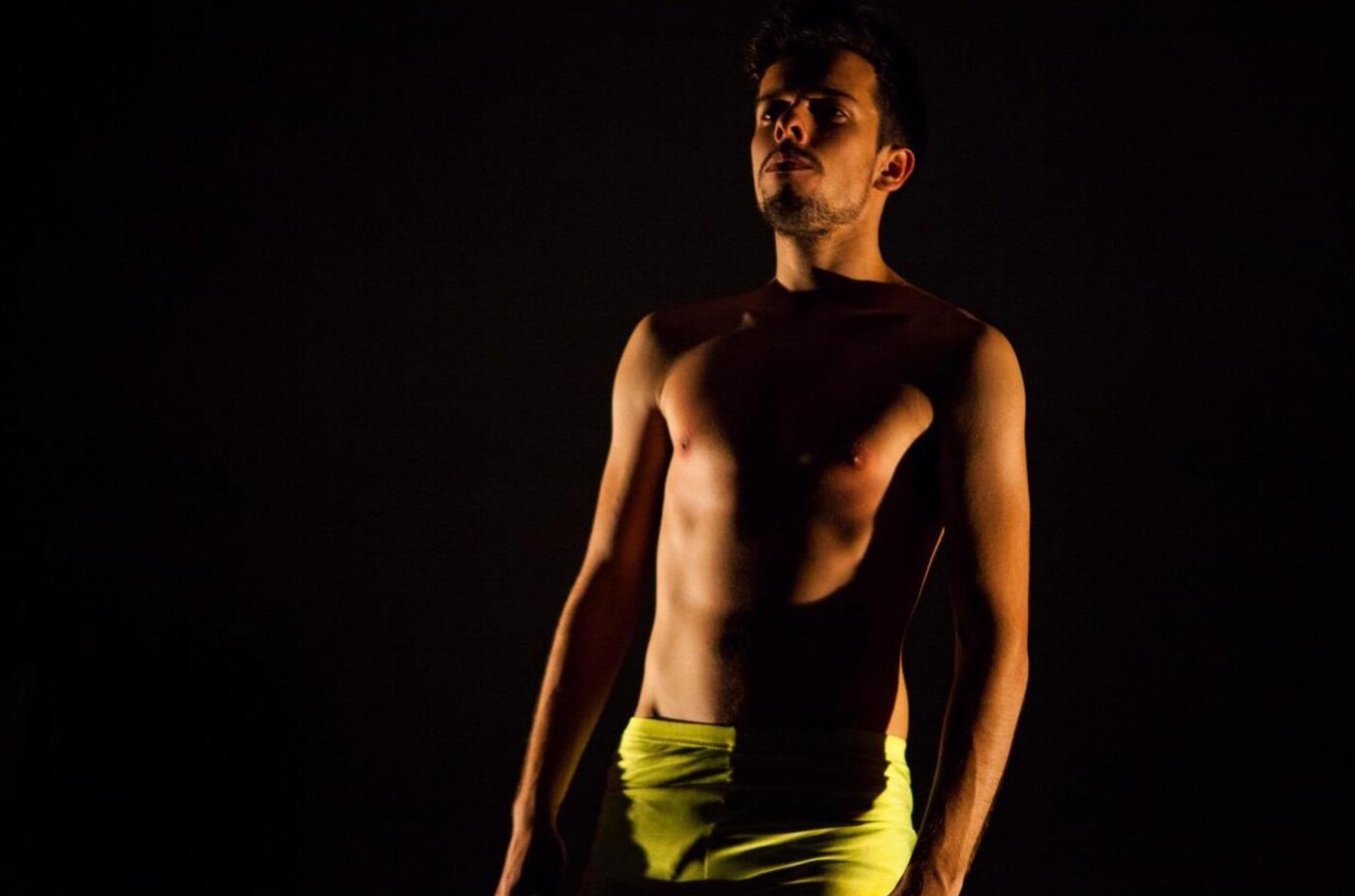
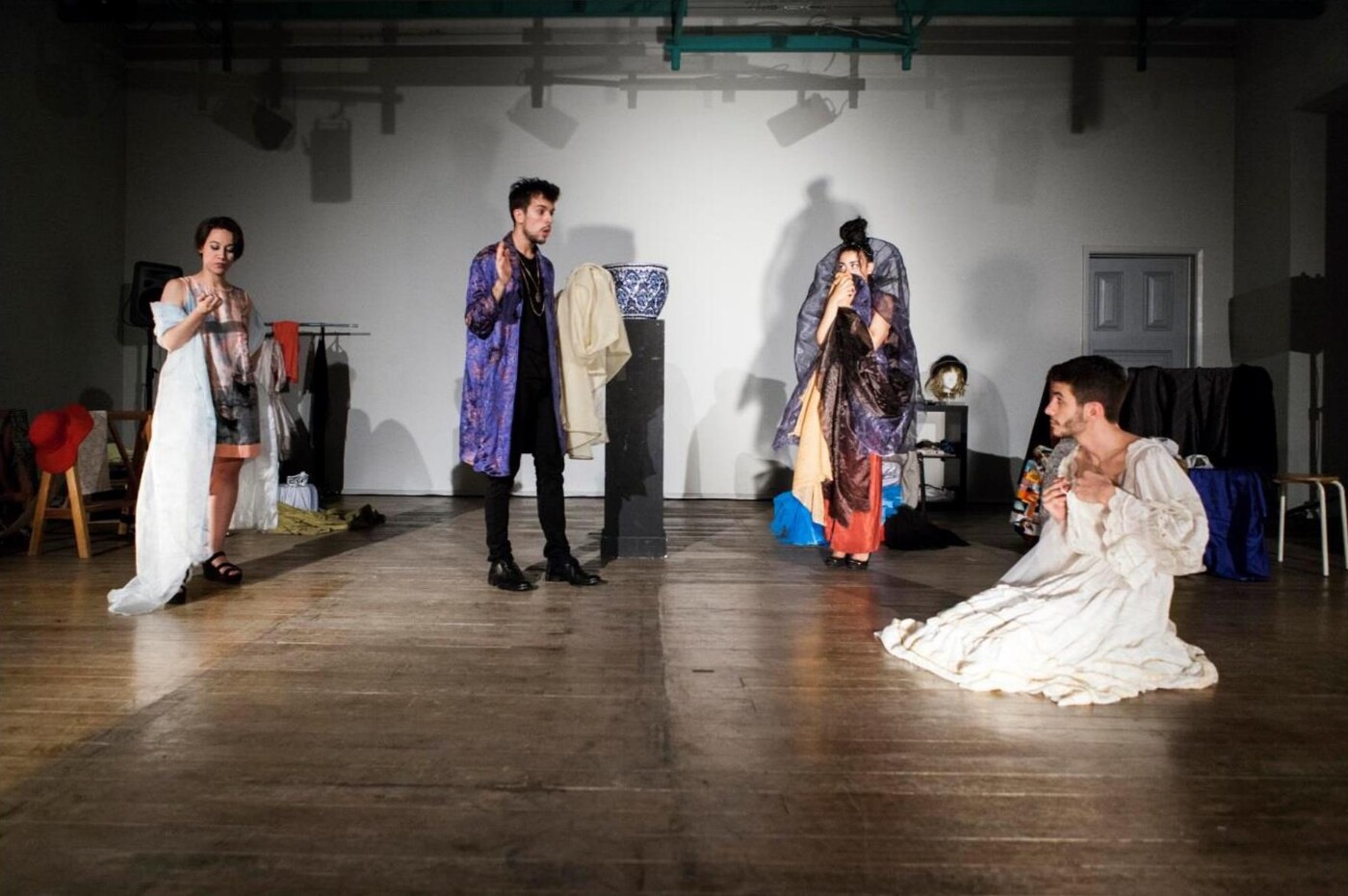
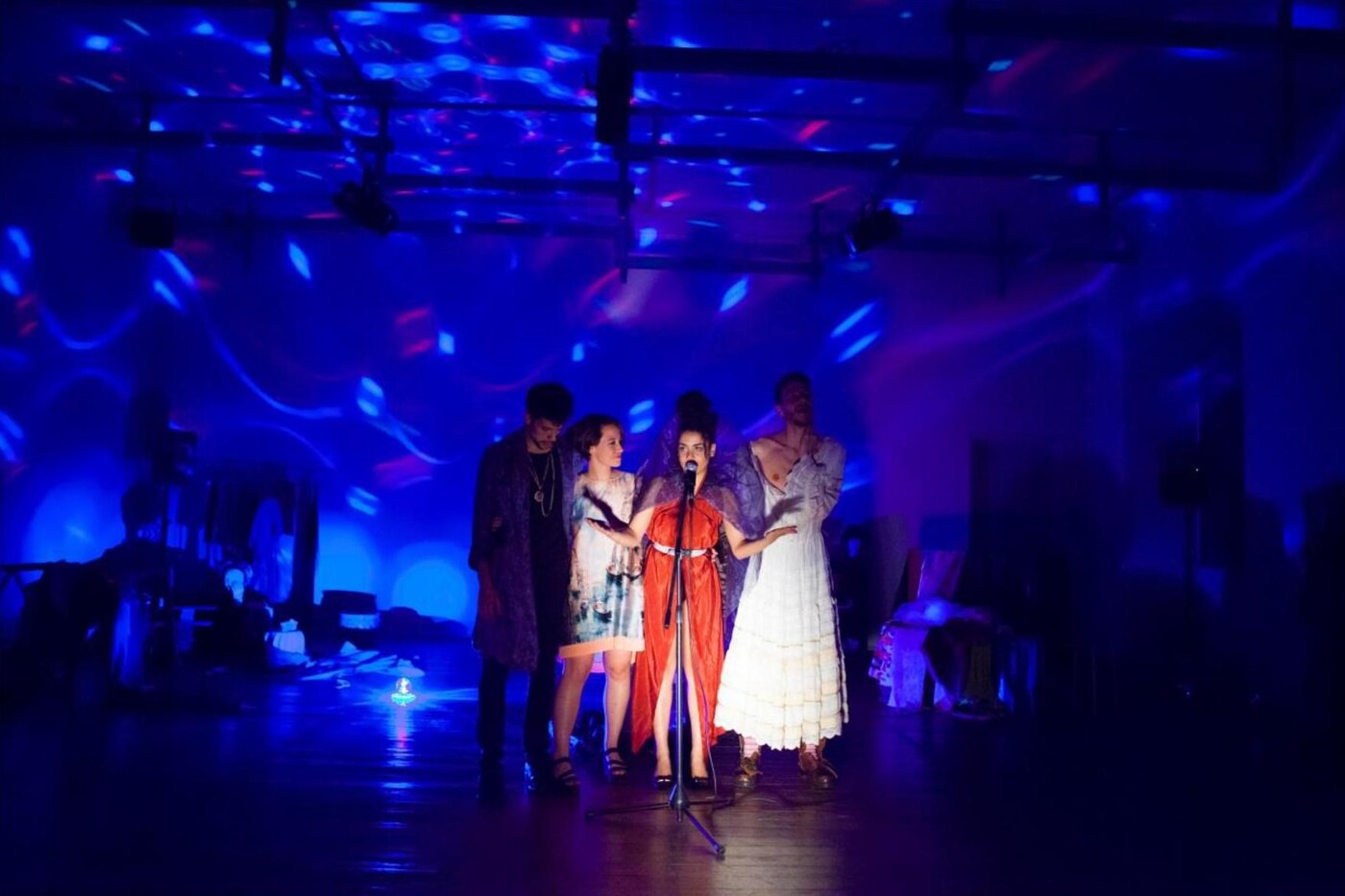
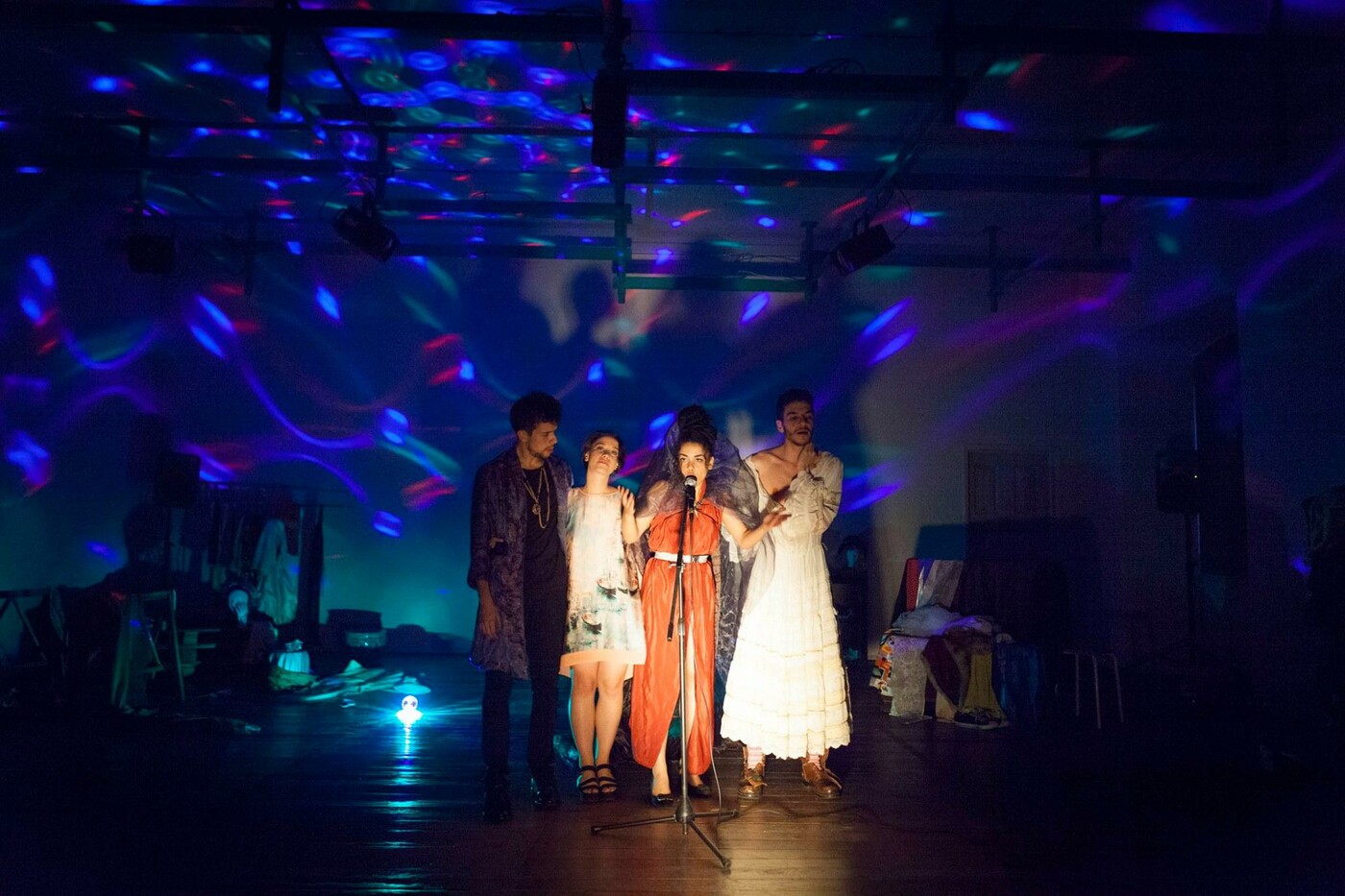
Cooperativa Dramatúrgica
Cooperativa dramaturgica (dramaturgical cooperative), created in 2023 by Mariana Ferreira and Filipa Matta, is a project that arose from the desire to provide spaces for artists to meet; a kind of horizontal laboratory, in the form of free and uncompromising meetings, in which each participant is invited to work on a personal project, discussed in an atmosphere of co-operation and constructive criticism, sharing and creative trust. In the first edition, Bruno Fraga Brás, Catarina Vieira Filipa Leão, Filipa Matta, Guilherme Gomes, Luísa Fidalgo, Mariana Ferreira and Miguel Carranca met once a week at the Marvila Library in Lisbon, or virtually, to support each other in the thinking, criticism, conception and writing components of their creations in the performing arts.
Fake!
Five creators proudly appropriate the compositions of others, contributing, with deep awareness, to the cycle of ‘originality’. They appropriate, misrepresent, manipulate and call it their own.
Then they stuff it all into a mood, an excuse, a zone, which is also shamelessly copied: information that, for whatever reason, came up in the discussion or got under their skin. They use and abuse the concepts of spectacle, show, exhibition, to present improved versions of themselves. Versions that are truer the more fake they are; more genuine the more artificial they are. They assure us, however, that FAKE! is all the more false, deceptive, unscrupulous and shameless the closer it is to originality.
Presented between 5 and 12 June 2016 at Rua das Gaivotas 6.
Creation and Interpretation: Ana Valentim, Mariana Ferreira, Mário Coelho e Pedro Baptista
Support for Creation, Scenography and Costumes: Cláudio Alves
Production and Lighting: Mafalda Rôla
Sound design: Inês Laranjeira
Link: https://vimeo.com/168270608
Rotten Roots
Presented at HomeFest #7 (Romania) in November 2021.
Rotten Roots is a woman's reflection on the life and death of the plants she brought home during the pandemic. As she tries to cure the sick ones, she reflects on her own decay and mortality.
The performance took place in Mariana's home and was watched by photographer João Marques. As well as being a spectator, João also filmed the performance, which was broadcast live to the festival and its viewers.
Cooperativa Dramatúrgica
Cooperativa dramaturgica, criada em 2023 por Mariana Ferreira e Filipa Matta, é um projeto que surgiu da vontade de proporcionar espaços de encontro entre artistas; uma espécie de laboratório horizontal na forma de encontros livres e descomprometidos, nos quais cada participante é convidado a trabalhar num projeto pessoal, discutido em ambiente de cooperação e crítica construtiva, partilha e confiança criativa.
Na primeira edição, Bruno Fraga Brás, Catarina Vieira Filipa Leão, Filipa Matta, Guilherme Gomes, Luísa Fidalgo, Mariana Ferreira e Miguel Carranca reuniram-se uma vez por semana na Biblioteca de Marvila em Lisboa, ou virtualmente, para se apoiarem nas componentes de pensamento, crítica, concepção e escrita das suas criações na área das artes performativas.
Fake!
Cinco criadores apropriam-se orgulhosamente de composições de terceiros, contribuindo, com profunda consciência, para o ciclo da "originalidade". Apropriam-se, deturpam, manipulam e chamam-lhe seu.
Depois, enfiam tudo num mood, numa desculpa, numa zona, também ela descaradamente copiada: informação que, sabe-se lá porquê, surgiu na discussão ou lhes ficou debaixo da pele. Usam e abusam dos conceitos de espectáculo, show, exibição, para apresentarem versões melhoradas deles mesmos. Versões mais verdadeiras quanto mais falsas; mais genuínas quanto mais artificiais. Asseguram, no entanto, que FAKE! é tanto mais falso, enganador, sem escrúpulos e sem vergonha, quanto mais próximo está da originalidade.
Apresentado entre 5 e 12 de Junho de 2016 na Rua das Gaivotas 6.
Criação e Interpretação: Ana Valentim, Mariana Ferreira, Mário Coelho e Pedro Baptista
Apoio à Criação, Cenografia e Figurinos: Cláudio Alves
Produção e Luminotecnia: Mafalda Rôla
Sonoplastia: Inês Laranjeira
Link: https://vimeo.com/168270608
Rotten Roots
Apresentado no HomeFest #7 (Roménia) em Novembro de 2021.
Rotten Roots é o reflexo de uma mulher sobre a vida e a morte das plantas que trouxe para casa durante a pandemia. Ao tentar curar as que estão doentes, ela reflecte sobre a sua própria decadência e mortalidade.
A performance foi apresentada na casa de Mariana, e assistida pelo fotógrafo João Marques. Além de espectador, João também filmou a performance que foi transmitida em direto, para o festival e seus espectadores.
Mariana Ferreira is a writer, playwright, actress and creator from Leiria, Portugal.
She started her career at TEUC, the University Theatre of Coimbra, Portugal. She has a degree in Theatre - actors - by ESTC and a post-graduation in Writing Arts by FCSH - University of Lisbon.
Since 2015 she has been working professionally in performing arts. She has worked with artists such as Bouchra Ouizguen, Alex Cassal, Keli Freitas, Raquel André, Monica Calle or Mário Coelho.
In 2015 she directs her first show, Musgo e Urze, presented in Amigos do Minho in Lisbon. It was also her first experience on working with adaptation of text.
In 2019 she integrates the IV edition of the Laboratory of writing for theatre of The National Theater dona Maria II, where she writes 📍 Pin my Places published by Bicho do Mato/editions of The National Theater done Maria II, and presented in the same theatre in October 2021 with the direction/staging by Rui Horta.
She was one of the artists selected to integrate the International Laboratory and Festival Linha de Fuga 2020 and one of the two Portuguese playwrights to integrate the special edition of dramaturgy of École des Maîtres 2020/2021, where she wrote Et cetera, et cetera .
Since 2020 she has been working on her on-going project Home, an investigation into the word home, which takes on different formats such as performance, show, installation, text and video.
In 2023 she created the Dramaturgical Cooperative with Filipa Matta, a meeting space where various artists share and support each other in the writing and thinking components of their creations. Still in the spring of 2023, she writes and directs the show Ó Môr, a karaoke about love, for and with TUP, the University Theatre of Porto.
She is currently working on her new project Corpus Mafaldae, a performance/wake about the relationship between humans and their pets. She is also creating a series of texts transformed into sound pieces called "A text for...".
Simultaneously, she is making a short film and creating her first music album.
In her work, Mariana is inspired by concepts such as memory, dreams, biographical experience and identity, and uses them as fertile, questionable and manipulable material.
Her creations are born out of discomfort, questions and desires. She reflects on mental health, ecology, class, gender, identity, historical narratives and utopian narratives, questioning the binomials reality-fiction, happiness-sadness, success-failure, dream-living.
She travels between the digital and the poetic, trying to understand, question and metamorphose herself. Herself and the world around her.
CONTACT
Mariana Ferreira é uma escritora, dramaturga, atriz e criadora de Leiria, Portugal.
Iniciou o seu percurso no TEUC. Tem uma licenciatura em Teatro – actores - pela ESTC e uma pósgraduação em Artes da Escrita pela FCSH - Universidade de Lisboa.
Desde 2015 que trabalha profissionalmente em artes performativas. Trabalhou com artistas como Bouchra Ouizguen, Alex Cassal, Keli Freitas, Raquel André, Monica Calle ou Mário Coelho.
Em 2015 dirige o seu primeiro espetáculo, Musgo e Urze, papresentado nos Amigos do Minho em Lisboa. Foi também a sua primeira experiência com adaptação de texto.
Em 2018 integra a IV edição do Laboratório de escrita para teatro do Teatro Nacional dona Maria II, onde escreve 📍 Pin my Places publicado pela Bicho do Mato/edições do Teatro Nacional dona Mariana II, e apresentado no mesmo teatro em Outubro de 2021 com encenação de Rui Horta.
Foi uma das artistas selecionadas a integrar o Laboratório e Festival Internacional Linha de Fuga 2020 e uma das duas dramaturgas portuguesas a integrar a edição especial de dramaturgia da École des Maîtres 2020/2021, onde escreveu Et cetera, et cetera.
Desde 2020 que trabalha no seu projeto on-going Home, uma investigação à palavra lar, que assume diferentes formatos, tais como performance, espectáculo, instalação, texto e vídeo.
Em 2023 cria a Cooperativa Dramatúrgica com Filipa Matta, um espaço de encontro onde vários artistas partilham e se apoiam na componente da escrita e pensamento das suas criações. Ainda na Primavera de 2023, escreve e a dirige o espectáculo Ó Môr, um karaoke sobre amor para e com o TUP, o Teatro Universitário do Porto.
Atualmente, está a trabalhar no seu novo projeto Corpus Mafaldae, uma performance/velório sobre a relação entre seres humanos e os seus animais de estimação. Está também a criar uma série de textos transformados em peças sonoras chamada Um texto para..
Simultaneamente, está a realizar uma curta-metragem e a criar o seu primeiro album de música.
No seu trabalho, Mariana inspira-se em conceitos como memória, sonho, experiência biográfica e identidade, e usa-os como matéria fértil, questionável e manipulável.
As suas criações nascem de desconfortos, perguntas e desejos. Reflete sobre saúde mental, ecologia, classe, género, identidade, narrativas históricas e narrativas utópicas, questionando os binómios realidade-ficção, felicidade-tristeza, sucesso-falhanço, sonhar-viver.
Viaja entre o digital e o poético, para tentar compreender-se, questionar-se e metamorfosear-se. A si e ao mundo que a rodeia.
CONTACT